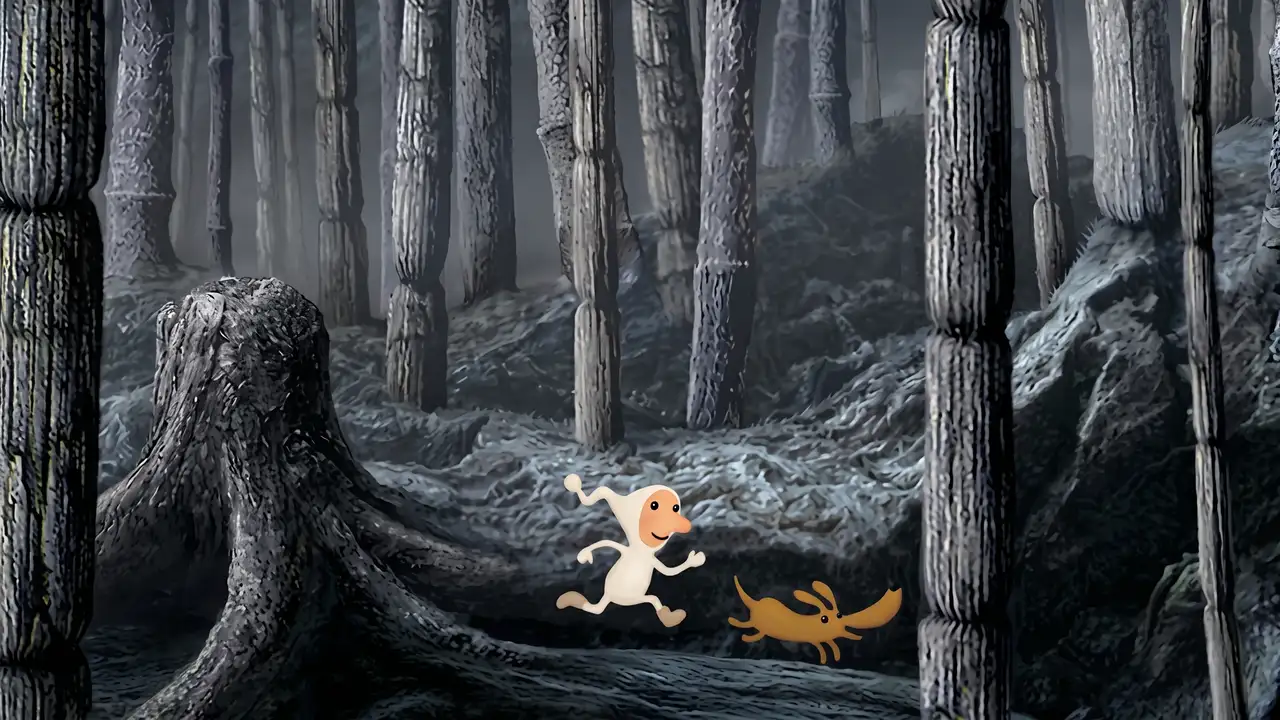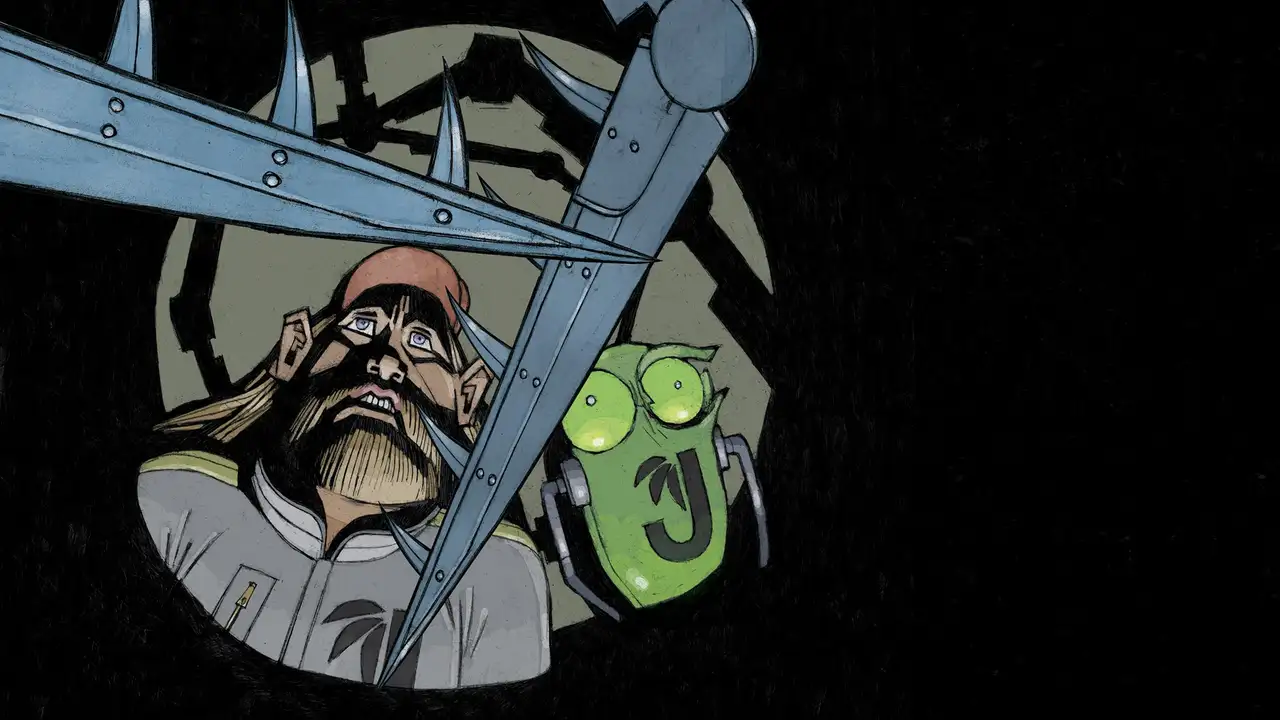
A comic-panel visual identity carries The Last Worker from its first frame, and the stylised rendering of a vast automated fulfilment centre does more atmospheric work than any single system in the game. Kurt, the last human worker at JFC-1, spends his shifts dispatching parcels while the outside world decays under toxic air and health care reserved for the super rich. Corporate satire threads through everything, from creepy cobot tutorials to mandatory day-one training on day 9,125, and the heavy-handed consumerist critique leans late-stage without apology. The tone oscillates between deadpan comedy and genuine dystopia, and the art style makes both registers land. Readable collectibles dot the shelves, and the burnt-out underground shelters add a layer of casualty-counted pathos beneath the jokes.
The parcel-checking loop is the game’s central verb. Serial number, size, weight and damage get verified before every dispatch or recycling, and the routine is mundane enough to feel like actual work, which is precisely the point. Rules take a while to internalise, and misjudged orders pile up before the checks click, but once the logic settles the shifts become genuinely absorbing. Tagging and recycling boxes as the verb for everything from tutorials to revolution remains a device no other game attempts.
The Skew and HoverBird banter is the emotional centrepiece. The hovering hummingbird and the gruff dispatch robot spar constantly, with the nickname exchange standing out as the writing’s sharpest laugh, and the pairing carries the story’s warmth through its bleakest stretches. Robot characters delivering the emotional weight is a bold choice that pays off, and the supporting cast around the fulfilment centre keeps the satire from tipping into coldness.
The narrative escalates far beyond its delivery-sim opening. Hacking puzzles rotate cubes to match patterns, a timed race pits the protagonist against a rival bot, stealth sections sneak past Cobalt security bots, an EMP gun disarms threats, a Flappy-Bird-style drone flight steers a warhead through a narrow tunnel, and a mech sequence closes the campaign. The swerve into resistance territory arrives unexpectedly and hooks hard, revealing a family connection that reframes the protagonist’s obedience. Few structural pivots this late feel earned, and this one does.
Movement is the persistent drag. No sprint exists anywhere, and the boost runs out almost as soon as it starts, turning traversal across the fulfilment centre’s vast floors into a snail-paced chore. The settings menu’s scanning CRT effect strains the eyes further, an ironic irritant in a game so visually confident otherwise. Neither flaw breaks the loop, but both wear on the pacing across a single-sitting structure.
The three endings undercut each other. The Home, Promotion and Revolution choices each close the story differently, yet the fates of key characters contradict across branches, with the boss dead in one route and alive in another, a logical inconsistency that cannot be squared however the branches are read. The finale rewards replaying the closing sequence to see every outcome, and each route delivers an emotional landing even where the logic wobbles. The inconsistency annoys intellectually while the resolutions still satisfy emotionally, and chasing all three outcomes adds an evening’s worth of replay incentive to a package that rewards curiosity.
Overall, The Last Worker is a strange, charming, story-driven delivery sim whose comic-panel art direction, sharp robot banter and audacious tonal escalation make it well worth a single evening. Sluggish movement, early rule opacity and endings that contradict each other are real costs, but the atmosphere, characters and narrative ambition carry the package comfortably to a recommendation.