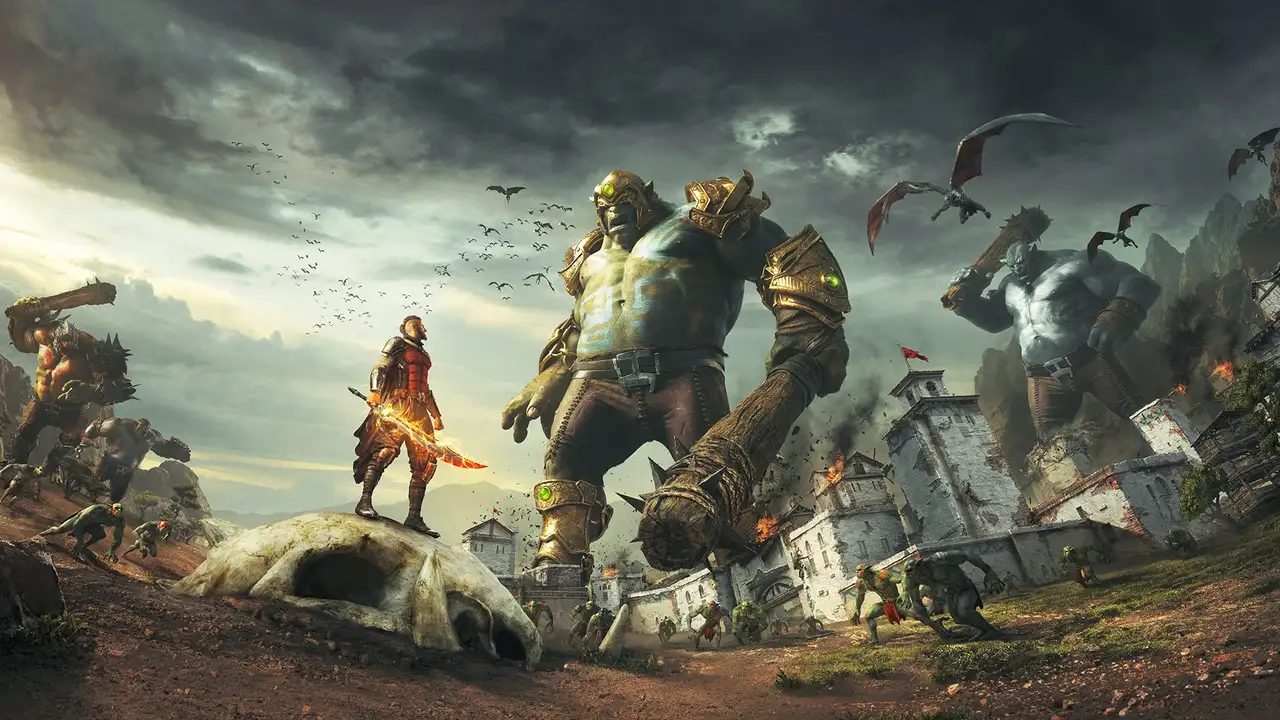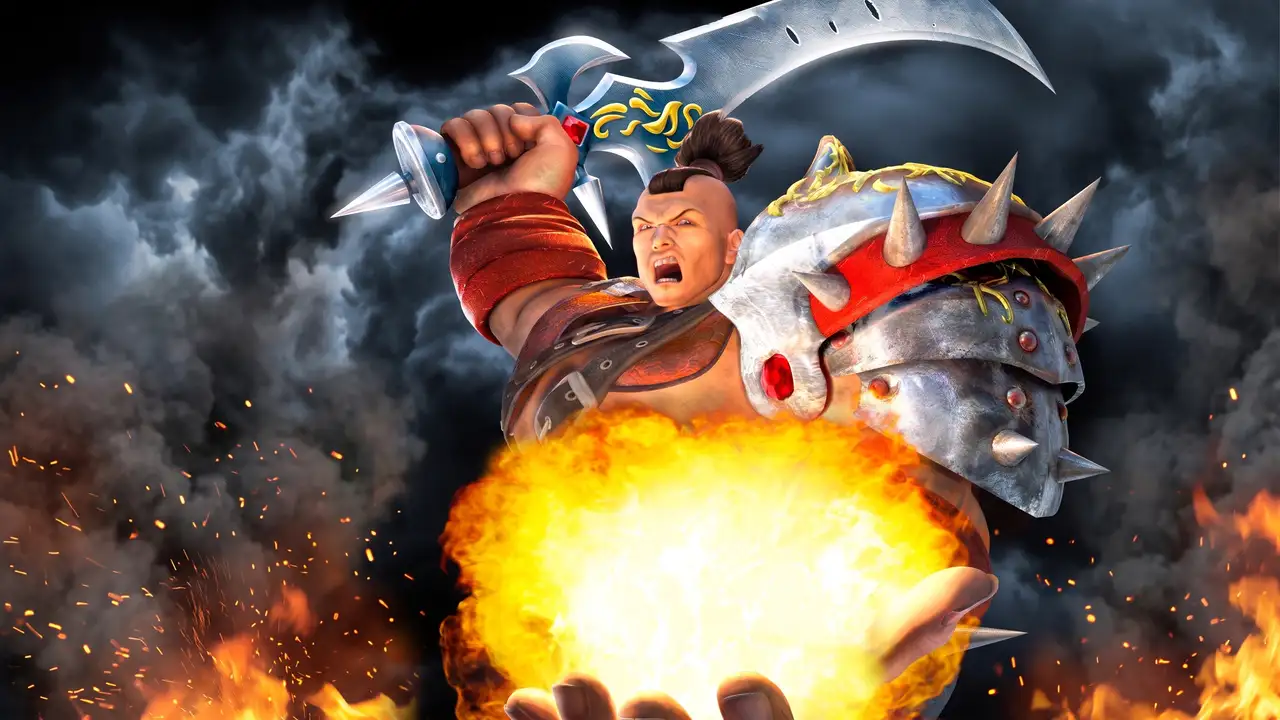
A changeling hero with a hidden bloodline walks into a monastery massacre, and the war that follows spans five chapters of a handheld action RPG with genuine narrative ambition. Untold Legends: The Warrior’s Code, the middle entry of Sony’s short-lived trilogy, is the only one with full voice acting and cutscenes, and the step up shows. An exiled prince’s escort through war-torn provinces builds towards an underworld detour and a family-twist climax, with a final betrayal that genuinely lands. For a 2006 PSP title the storytelling register is striking, and the campaign reads as more film than dungeon crawl.
The Essence transformation system is the standout mechanic. Every kill feeds a meter, and a full meter lets any class morph into a beast form with its own special attack. Building a playthrough around the transformation works because the meter refills fast enough to keep shifting forms in regular rotation, and the loop of harvest-and-morph gives combat a rhythm beyond pure button mashing. Combat itself stays fast and readable throughout, with bosses deliberately immune to stun by design. The rune system adds hidden depth that rewards closer inspection than first impressions suggest.
Skill-tree choices reshape the campaign more than expected. Velocity movement-speed initially reads as a wasted point before it transforms traversal entirely, cutting tedium out of the oversized maps and boosting attack speed at higher levels into the bargain. Biting claws and chain lightning round out a build that ends the game fully maxed. Levelling moves at a remarkable clip; seven levels in three hours late into the campaign keeps experience flowing at a consistently generous rate, and hitting the late forties by the finale speaks to how steadily the curve rewards progress. Loot quakes triggered on multi-kills shake extra rewards loose and make crowd encounters feel generative.
The escort missions are a running sore. The exiled prince’s repeated pleas for Empire assistance become the campaign’s defining comedy, and the charge-happy companion AI wanders into danger with the reliability of a magnet. Zula’s death-wish behaviour demands constant babysitting, trailing a healer behind her just to keep her breathing. Boss design splits into two camps: the tower demolition, the Coven Elder’s escape and the triple-prince finale deliver memorable set-pieces, while knockback-heavy duels descend into pure tedium as constant staggering turns fights into ping pong. Frozen-in-place glitches make the knockback worse.
The loot economy is a clear step back from the first game. Chests almost never hold gear, yielding potions or the occasional ring or necklace, and meaningful equipment means paying the shop instead of exploring. That choice matters because the maps are massive, ridiculously so, sprawling open areas populated with enemies but nothing meaningful to find off the beaten path. Exploration feels punished rather than rewarded, with size existing only to stretch the campaign. Confusing checkpoint placement compounds the navigation frustration, sitting in odd spots that give no signal about correct routes. No side quests, no city hub, no optional dungeons and no return to prior chapters complete the picture of a sequel that traded its predecessor’s openness for linearity.
Enemy variety improves on the first game even as specific archetypes infuriate. Changelings, skeletons and mutants give encounters real spread, but health-draining Sentry and Reaver units in pairs turn fights into frustrating attrition, and fleeing ranged enemies trigger pure irritation whenever they bolt before dying. The variety is real progress; the worst offenders simply stand out against it. Neither problem undermines the combat loop, which stays enjoyable from the monastery to the capital.
Technical hiccups punctuate the experience. A split-screen boot bug greets the game on PS TV, and a map-zoom-induced brazier quest bug interrupts the mid-game before a reload clears it. Online multiplayer, fondly remembered from the PSP’s heyday, rounds out the package for those with someone to play alongside. The tone swings oddly in the closing chapters, where a redemption resolution sits strangely against the preceding brutality, though the emotional landing holds.
Overall, this is a solid, story-rich action RPG sequel that trades its predecessor’s exploration for a more linear, more narratively ambitious ride, and loses a little magic in the exchange. The Essence transformation system and the story ambition carry the campaign, while bloated maps and a gutted loot economy hold it back. The formula survives the missteps, and the ride stays enjoyable throughout.