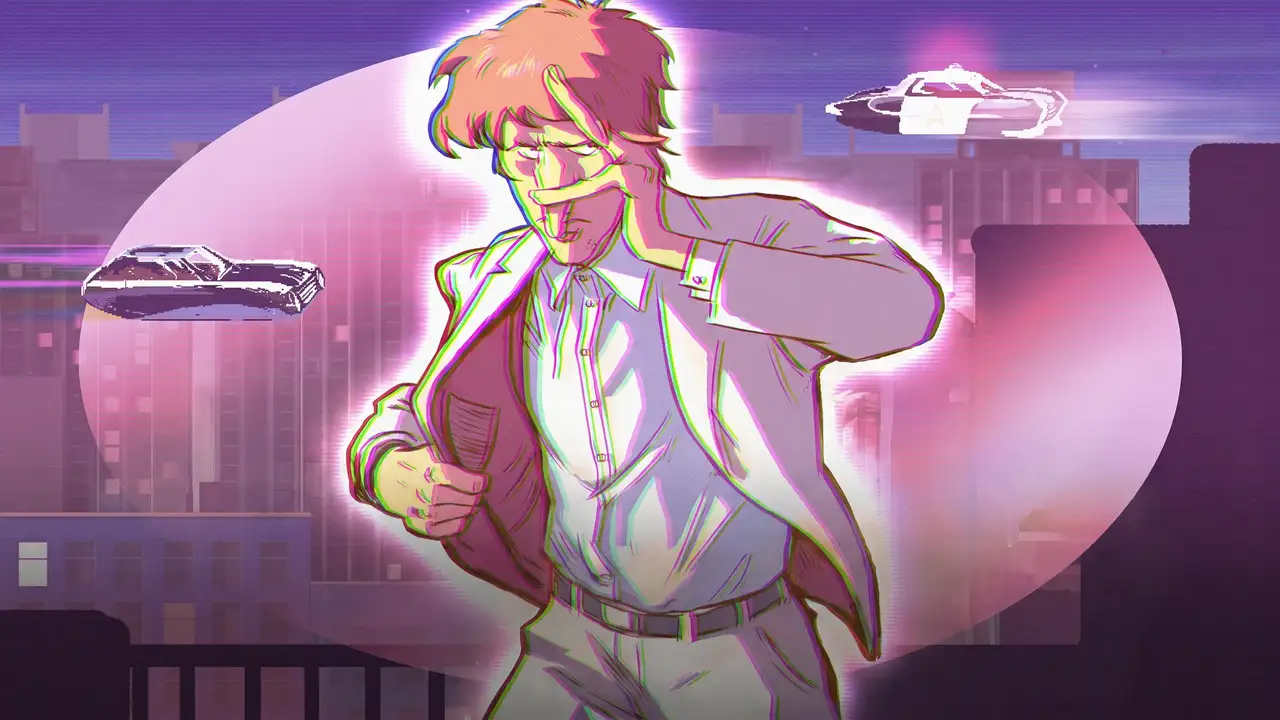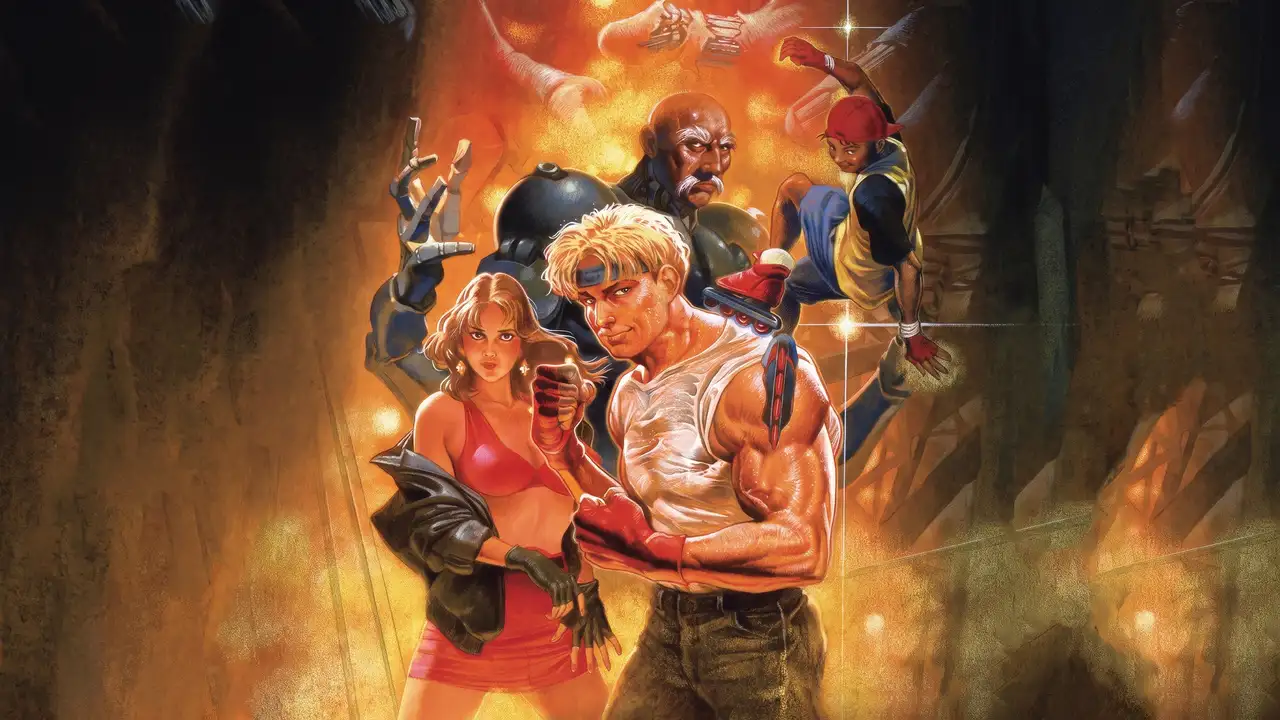
Cutscenes interrupt the brawling for the first time in the trilogy, a robot-replacement conspiracy unfolds across seven-plus stages, and a playable cyborg joins the roster. The third entry in Sega’s 16-bit brawler line swings for more story, more mechanics and more spectacle than its predecessors, swapping street-level revenge for a sci-fi plot about city officials swapped for identical androids. Some of that ambition lands: the mechanical refinements are real improvements, and the presentation push gives the campaign a shape its predecessors lacked. Other parts misfire, chiefly a soundtrack that never approaches the series’ usual standard and a back half that leans on cheap boss design. The result is an entry that improves the toolkit while diluting the magic.
Charged special attacks top the list of refinements. A bar builds beside the health meter, and once filled, specials cost nothing; outside that window they still drain health, but nowhere near as heavily as before. The change transforms how aggressively the roster can be played, since special moves stop being a panic button reserved for emergencies and become a rhythm to be managed. Reliably triggered sprinting, activated by double-tapping, rounds out the movement improvements; dash attempts in the previous entry were inconsistent enough that dependable speed changes the pace of every encounter. Both changes feel obvious in hindsight, which is the surest sign they should have arrived earlier.
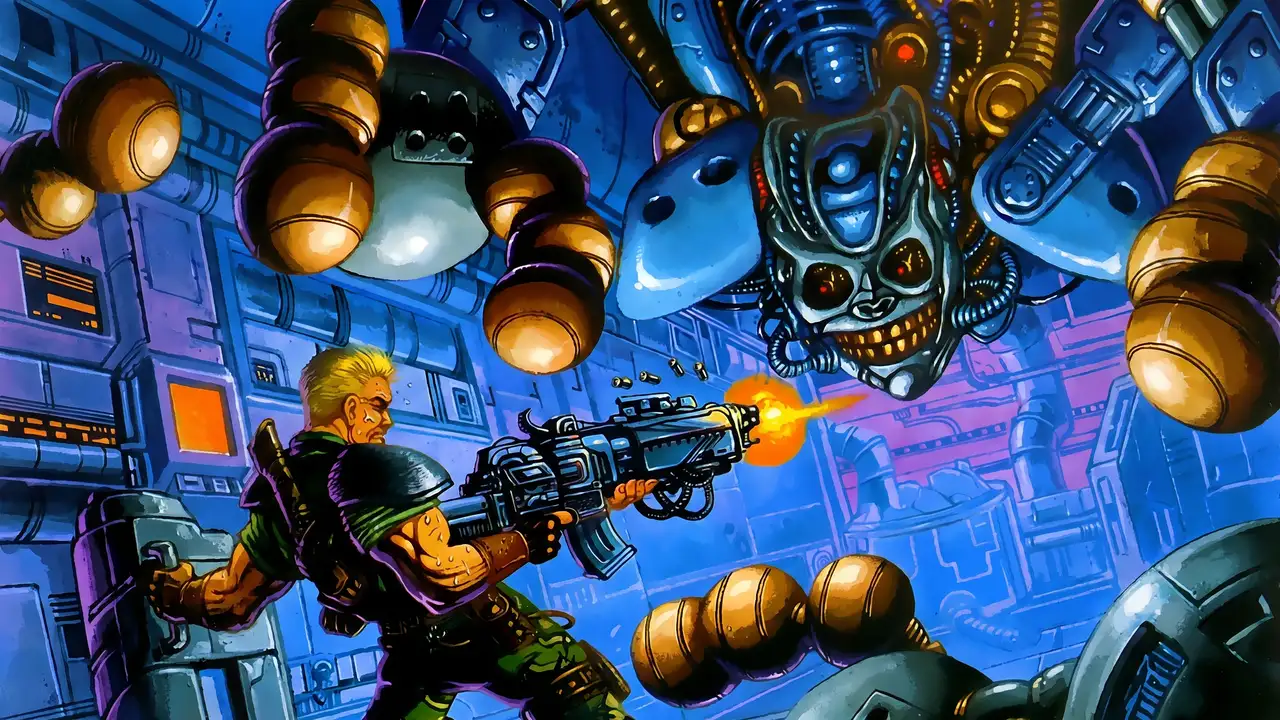
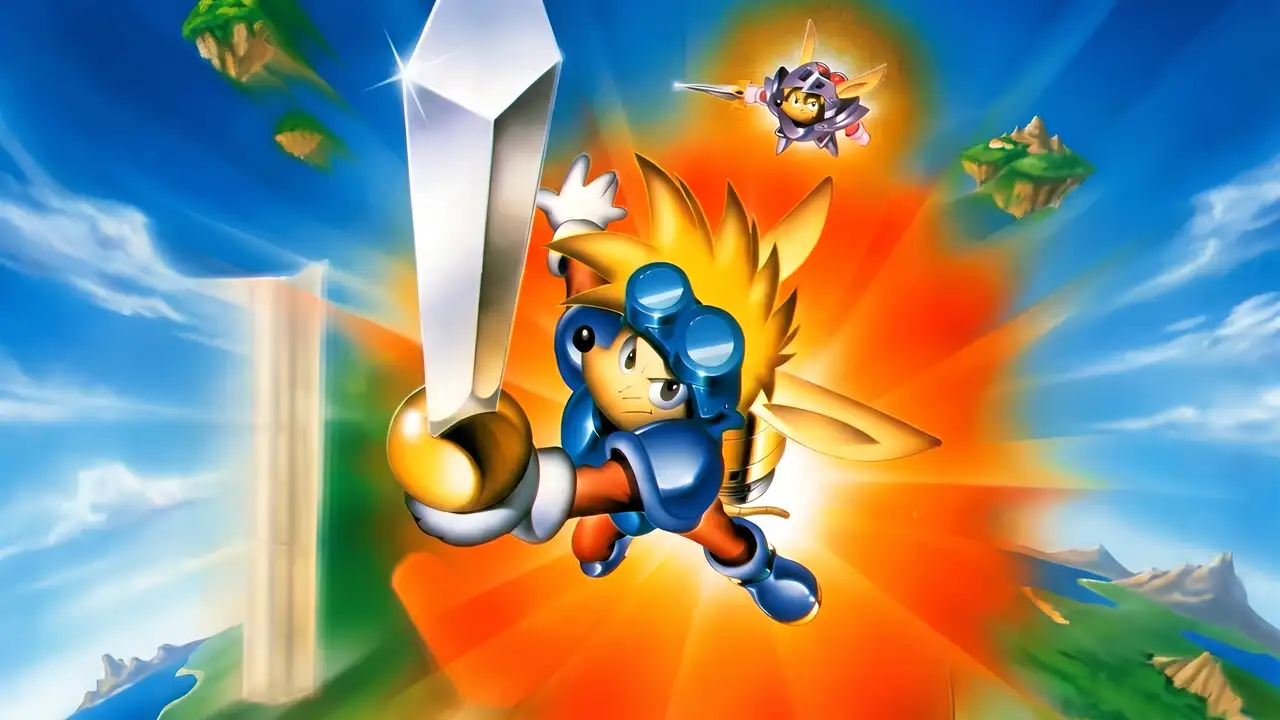
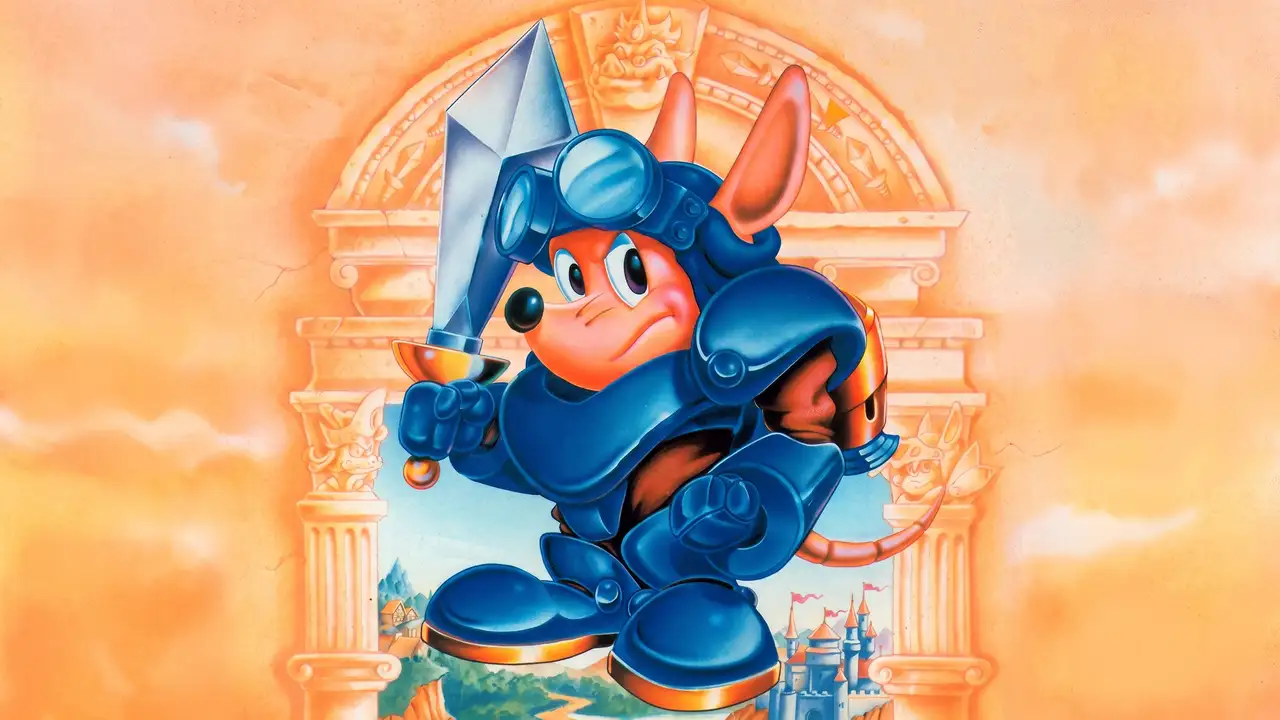
The enemy roster fights back harder than before. Opponents carry a wider repertoire of attacks and press the aggression, which keeps encounters varied through the early stages. Contact-based grabbing, throws that send enemies off-screen, and weapons with finite durability carry over intact, preserving the tactile core of the series. A kangaroo with boxing gloves joins the playable cast, and robot doppelgängers, including a mechanical duplicate of one hero, appear as mid-game opponents, feeding the science-fiction tone. The shift away from street-brawling grit towards androids and laboratories reads as the trilogy’s oddest aesthetic pivot, and it suits the expanded storytelling even when it clashes with the series’ roots.
Stage five is enormous. The mid-campaign stage sprawls far beyond anything in the previous entries, and stages overall run substantially longer, pushing the full campaign past the two-hour mark and past the tighter pacing of its predecessors. Long stages expose the brawling’s repetition, since waves keep arriving with escalating aggression late in the game, and the back half piles enemies without adding new ideas to counter them. Difficulty sits high throughout, partly because the Western release was tuned harsher than the Japanese original, a regional difference that compounds the enemy pressure.
Narrow hit windows undercut the latter-half boss design. The bank encounter restricts damage to brief openings where only one or two hits connect, and the approach feels punitive rather than tactical. The Mona and Lisa duo and the Yamato ninja triplet, three health bars apiece, present fairer tests, though the ninja gauntlet still demands sustained precision. The nadir arrives at the finale: a robot boss with five health bars and a three-minute timer, where the clock determines the ending branch. Missing the timer locks the campaign into the worse outcome, a design choice that punishes rather than challenges.
The soundtrack registers as the trilogy’s weakest. The previous entry’s music stood among the console’s best, and this follow-up never matches that standard, with compositions that fade into the background rather than driving the action. Flashy enemy deaths compound the audio complaint with a visual one, bursts of strobing colour intense enough to hurt to watch and to warrant an epilepsy warning. Neither issue sinks the campaign alone, but together they strip away the sensory identity that made the series distinctive, leaving competent presentation where personality used to be.
Verdict: not sure. The mechanical improvements deserve credit, the cutscene-driven story remains unique in the trilogy, and the branching endings keyed to the final timer give the campaign stakes its predecessors never attempted. Against that sits a soundtrack that pales beside its immediate predecessor, stages that overstay, boss design that turns cheap in the back half, and a finale whose timer gate can erase an otherwise strong run. The improvements are inherited ideas executed competently, while the signature strengths have slipped.
Overall, this is an ambitious, story-driven entry whose refinements make the brawling more flexible and whose presentation push gives the trilogy its first real plot, but the weaker music, bloated stage lengths and a punishing timed finale keep it clearly behind the game it followed. The charged special bar alone justifies revisiting the combat. Everything around it wobbles.