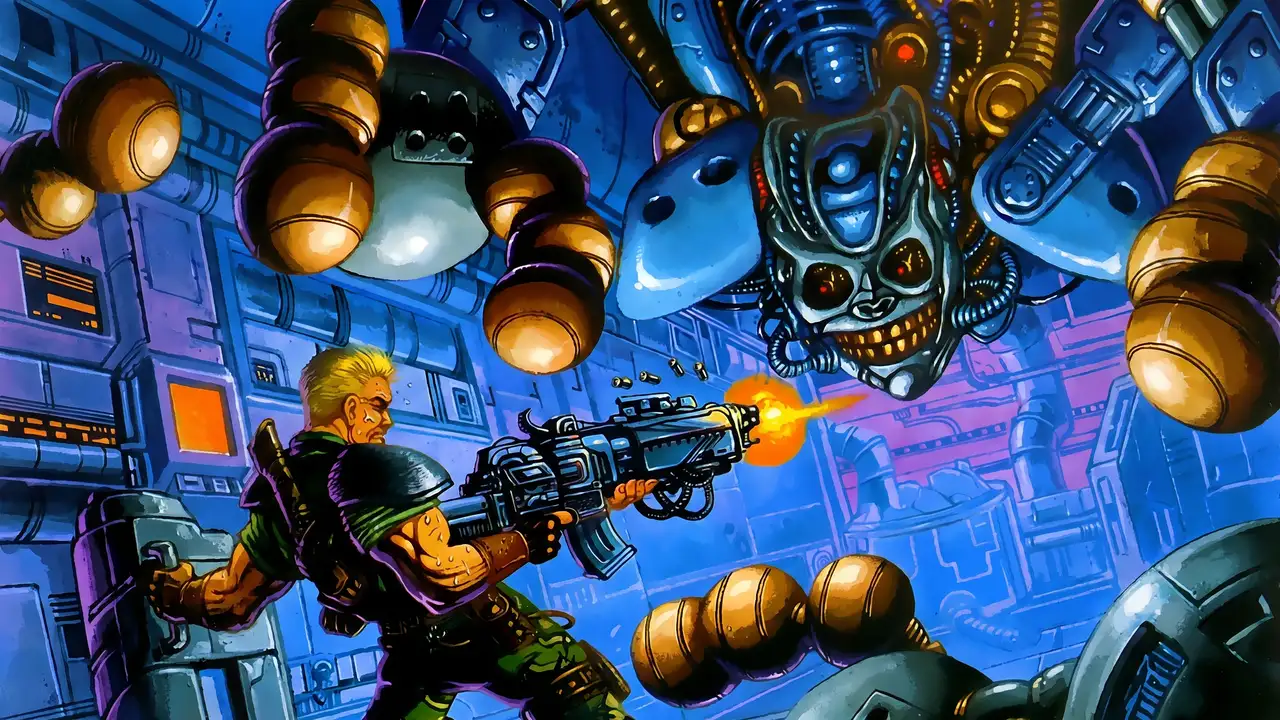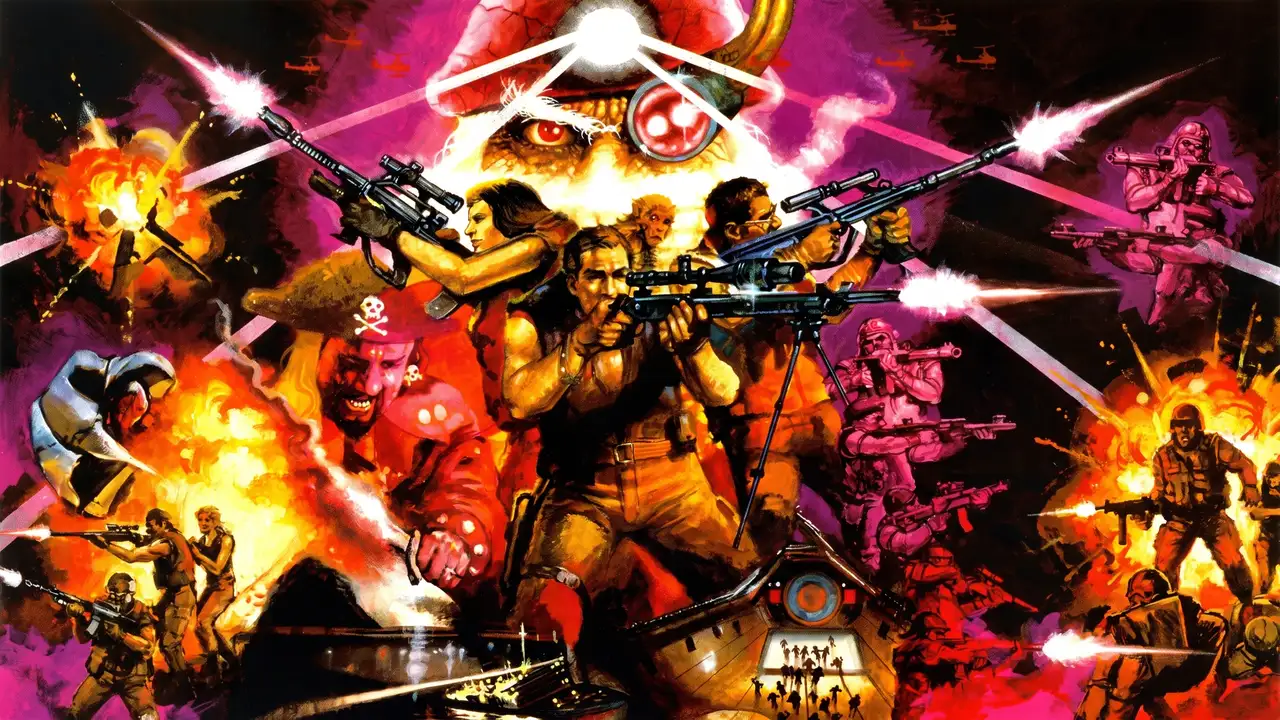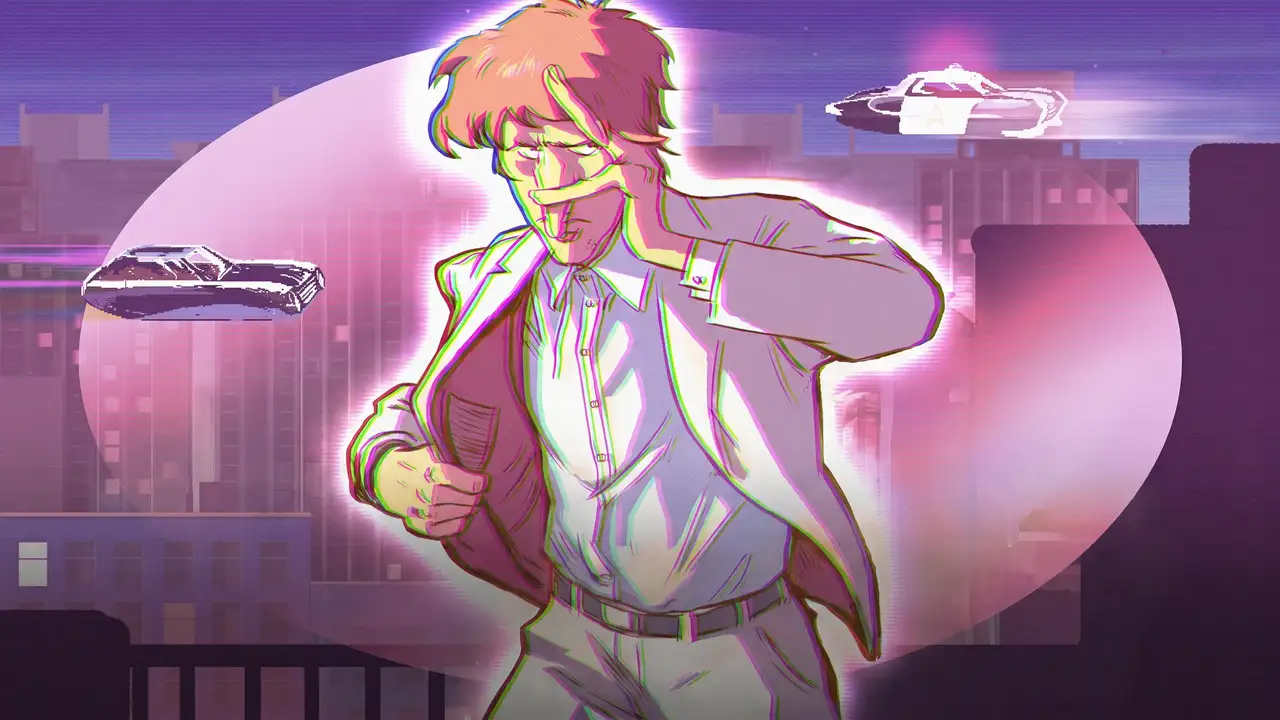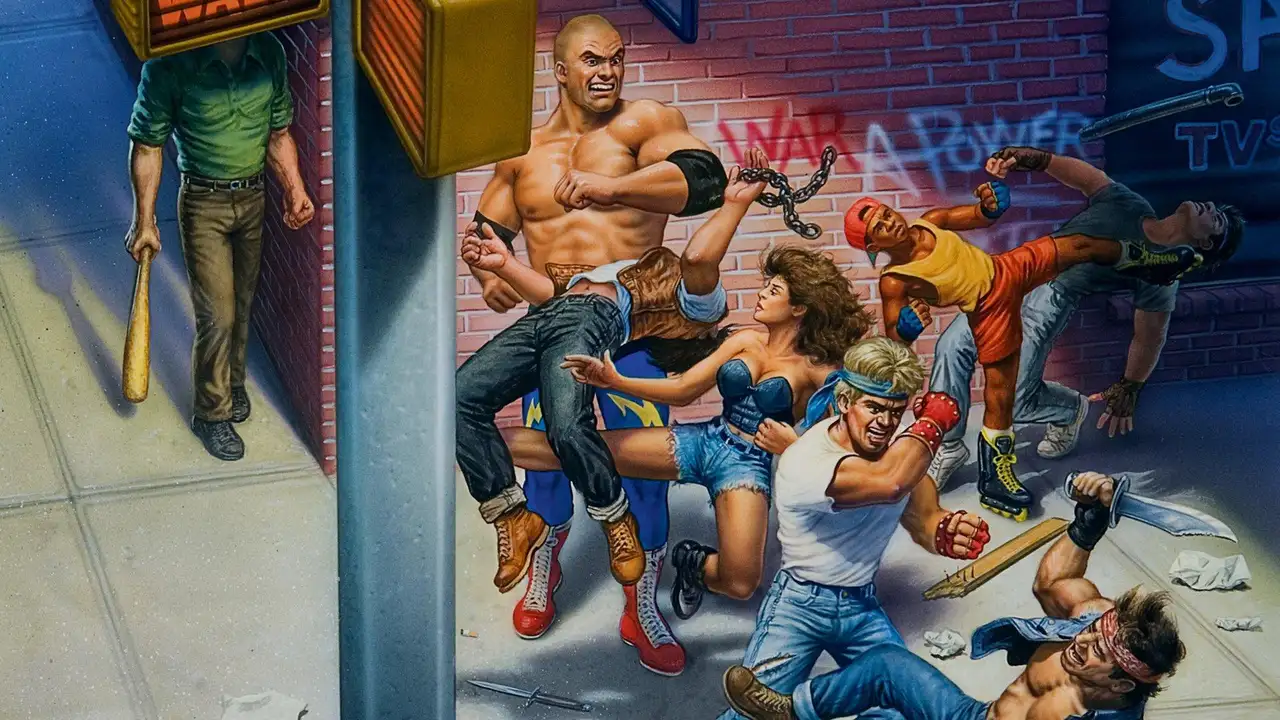
Eight stages of neon-lit 16-bit brawling carry one of the Mega Drive’s defining games, from a downtown opening through an amusement park, a stadium, a pirate den and a munitions plant to the Syndicate stronghold. A kidnapping lures two vigilante detectives into a trap, and the rescue team expands to four playable fighters: a wrestler, a rollerblading kid brother, and the returning pair. The structure is pure arcade tradition, but the execution is the genre operating at its 16-bit peak, with each stage running roughly ten tight minutes and every environment stuffed with detail, from arcade cabinets bearing the series’ Japanese name to a synth soundtrack that still sets the standard.
Per-character specials define the combat’s improvement over the original. Each fighter now carries a signature special attack paid for in health, replacing the previous game’s odd emergency-summon mechanic, and the trade-off creates a genuine risk economy around when to spend vitality for damage. The cast differs meaningfully in speed, power and reach, and the rollerblading option trades hitting power for mobility in a way that makes slower opponents feel manageable. Weapons remain throwaway fun, pipes and knives picked up and lost within a fight, their durability limits keeping the focus on fists. Contact-based grabs and off-screen throws round out a toolkit that would define the series for years.
Enemy design supplies the personality. Goons arrive with proper names, and families of cloned fighters recur across stages with palette variations, giving the roster an absurd soap-opera quality as familiar faces reappear stage after stage. Chemistry-themed opponents with elemental names join the ensemble, and encounters that would be filler in a lesser game become running jokes worth tracking. Bosses climb the same ladder: a bar-room brawler opens the gauntlet, palette-swapped rivals and a jetpack encounter escalate through the middle, and an elevator showdown precedes the final confrontation with a machine-gun-wielding crime lord.
Difficulty honours the arcade roots, sometimes too faithfully. Bosses hit substantially harder than in the previous entry, grab-happy opponents punish overcommitment, and the design philosophy of the era, stretching play time through repeated deaths, shows its age in the late-game spikes. The notorious jumping-kick loop that trivialised the original has been patched out, evidence of deliberate rebalancing that raises the skill floor. The running mechanic undercut its own usefulness, triggering inconsistently enough to feel unreliable in fights where speed mattered most.
The final confrontation sours the ending. The crime lord mixes gunfire with grabs in a fight that reads as tedious rather than climactic, rewarding caution over spectacle and dragging longer than any prior boss. Beating him unlocks a satisfying close and a sequel-teasing credits sequence, but the last impression is of a game leaning on old arcade cruelty where the preceding eight stages had earned their challenge honestly. A failed opening recap cutscene, an emulator-side irritant rather than a cartridge flaw, briefly dented the presentation on the way in.
The soundtrack remains the medium’s high-water mark for the console generation. Compositions drive every stage, recognisable within seconds, and returning themes from the first game reward long-time players without leaning on nostalgia as a crutch. The amusement-park theme in particular belongs in any conversation about the era’s best music. Paired with the named-goon charm and dense stage detail, the presentation gives the brawling a warmth that pure mechanical competence could not supply.
Infinite lives make the eight-stage campaign a single-sitting affair, a deliberate choice that trades score legitimacy for completeness; with lives enabled, the tally means nothing, and the arcade structure still assumes credit-fed repetition. Even allowing for that, the campaign’s pacing holds: stages never overstay, boss gauntlets escalate fairly until the finale, and the difficulty curve respects the genre’s history without demanding its patience.
Overall, a 16-bit brawler that plays better than memory suggests, with per-character specials, a cast of genuinely distinct fighters and an enemy roster that turns palette swaps into personality. Arcade-era difficulty and a grab-heavy final fight test patience in the closing stretch. The soundtrack alone would justify the visit; everything else makes it easy to stay.