A gladiator of the island kingdom of Argus, stripped of family and memories, fights the Titans and the dark god Chronos to rescue Princess Harmonia. The worldbuilding layers Greek myth with pseudo-historical pastiche, and the lore tablets and Stone Tablet entries are endlessly readable even as the plot itself loses coherence, with sudden events arriving disconnected from one another. The story is disjointed but oddly likeable, and the atmosphere of early-2000s action design carries the confusion without souring the adventure.
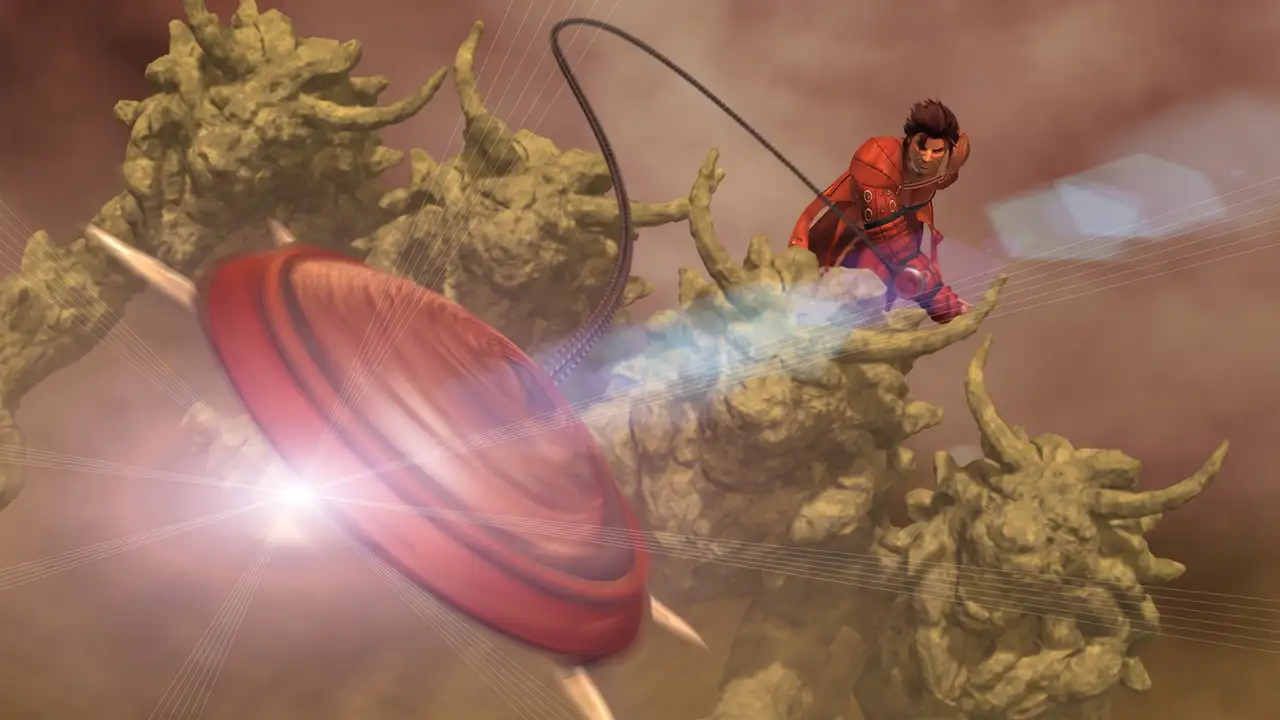
The discarmor weapon system is the game’s real hook and its one genuinely excellent idea. A chained shield used simultaneously as weapon, grapple, hook and shield, with three elemental variants (Hades, Heavenly and Sea) each carrying a distinct moveset, gives combat a flexibility few actioners of the era attempted. The Sea discarmor’s moveset is the standout, and the elemental seals (colour-coded barriers opened by the matching discarmor) tie weapon variety directly into the metroidvania-lite progression across seven worlds.
The Mystic Stone upgrade system is a delightful absurdity, reading as literal materia in a franchise with no business having it, and it makes the destructibility economy genuinely rewarding to engage with. Ability gates (slide, crawl, hook target, stomp, tackle and push blocks), summonable allies and a deep environmental destruction loop round out a progression structure that respects the player’s curiosity. Enemy-wielding combat, where grabbed foes swing as wrecking balls, adds a playful layer to the lock-free melee.
Fixed camera angles are the single biggest mechanical complaint. Occasionally impressive but frequently the direct cause of falls, unseen attacks and combat misreads, the camera costs real progress and makes even simple jumps a gamble. The glacial movement speed compounds it, with a hero who runs slowly enough to make traversal nag for the whole campaign, and the missing minimap turns a roughly forty-five-minute window of navigation into genuine disorientation.
Late-game boss quality collapses. Invisible attacks, an aerial five-headed boss pitched against a melee-only weapon, and bosses that block the overwhelming majority of hits combine into a gauntlet that reads as a design failure in places, and a burning-platform stretch where video-game logic insists fire is harmful produces the campaign’s worst stuck moment, deep in a checkpoint-drought window. Checkpoint droughts stretch across whole towers, and the final act cranks the difficulty to a degree that even era-typical spikes cannot excuse entirely, though Echidna and the minotaur land as fair fights by comparison.
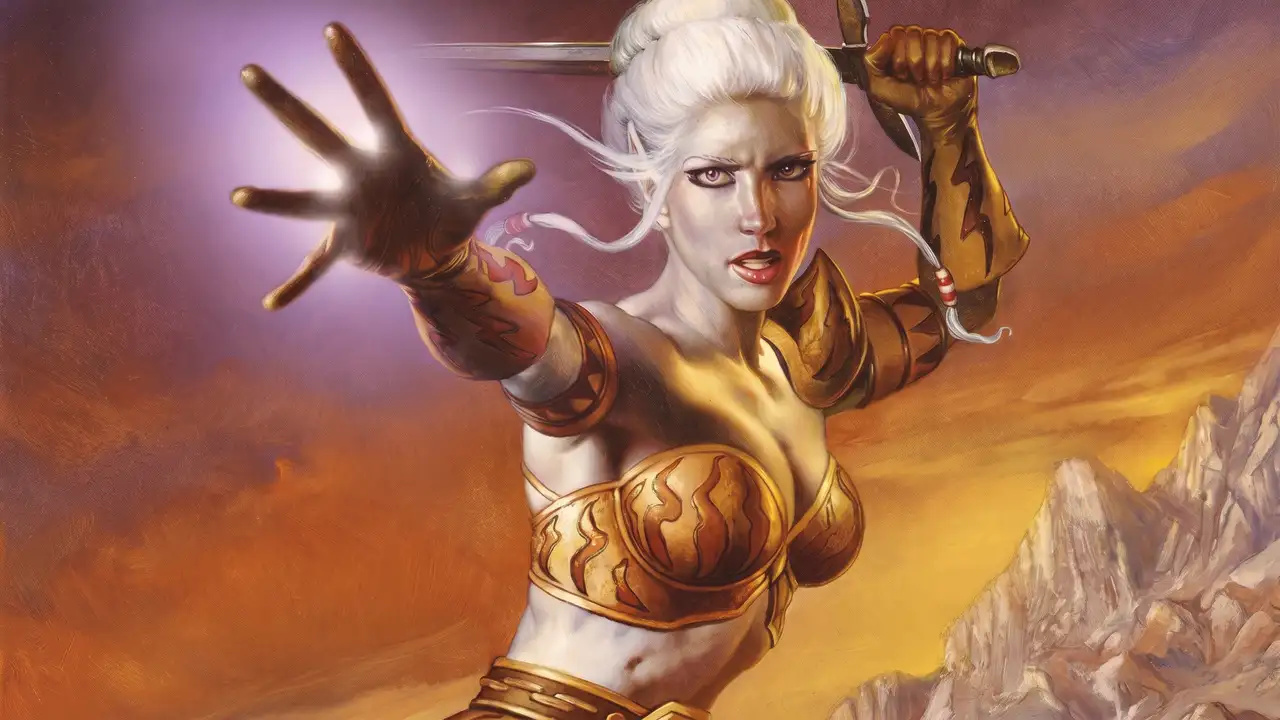
The tone and atmosphere stay characterful throughout. Princess Harmonia’s design invites an unflattering pop-culture comparison, the pseudo-historical documents earn genuine laughs, and the whole package carries the confident silliness of the era. A PS2-era difficulty trend is recognisable rather than dealbreaking, and the visuals hold up well for the period with only the odd split-second hitch under emulation, never enough to disrupt a fight or a jump.
The post-game reward structure is a delight and exactly what the era did well. Beating the campaign unlocks credits, chapter select and a hard mode, and the pizza discarmor Easter egg, an edible weapon with its own distinct look, is the kind of unexpected unlockable that few modern releases bother with. At just over five hours, the campaign is a compact palate cleanser, short enough that the friction never outlasts the goodwill, and the ending credits reward a single sitting.
Overall, this is a flawed but characterful PS2 action-adventure whose chained-shield discarmor, materia-style upgrades and era-appropriate unlockables carry it through fixed-camera jank, invisible-attack aerial bosses and a final-act difficulty spike. The story dissolves into noise and the camera actively costs progress, but the Sea discarmor’s moveset, the surprising pizza Easter egg and a tight five-hour shape make the jank worth tolerating.