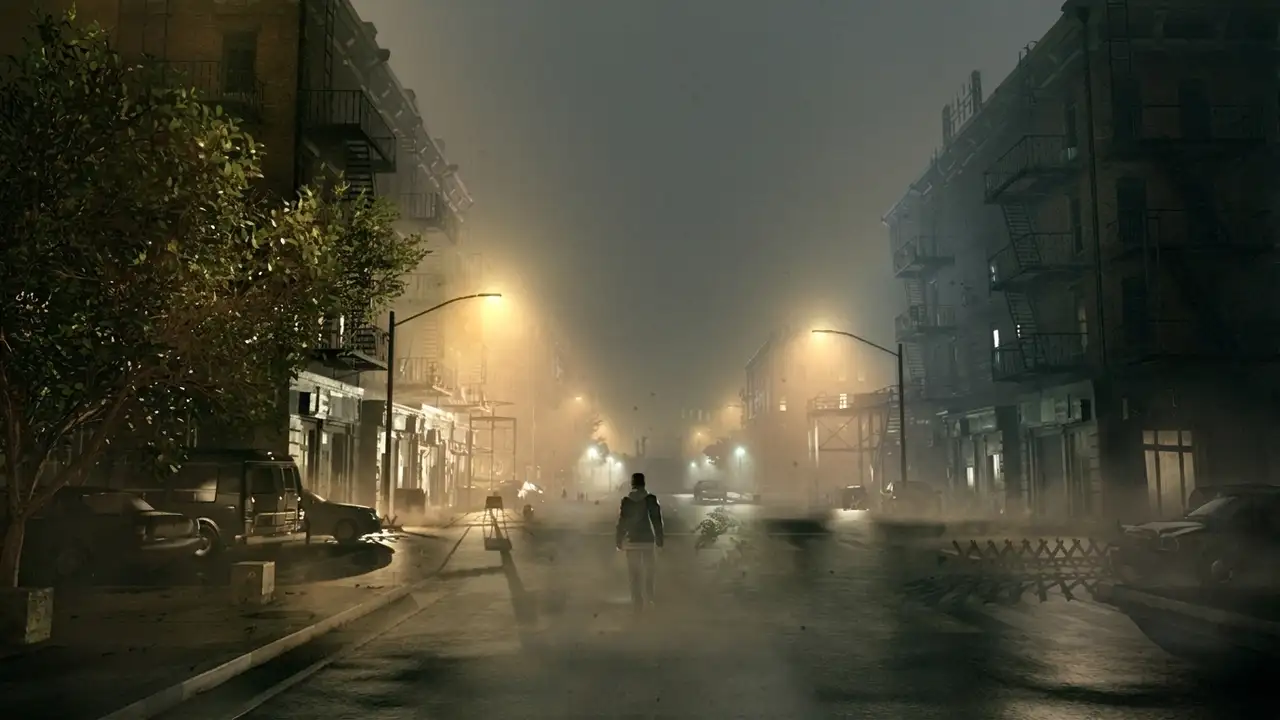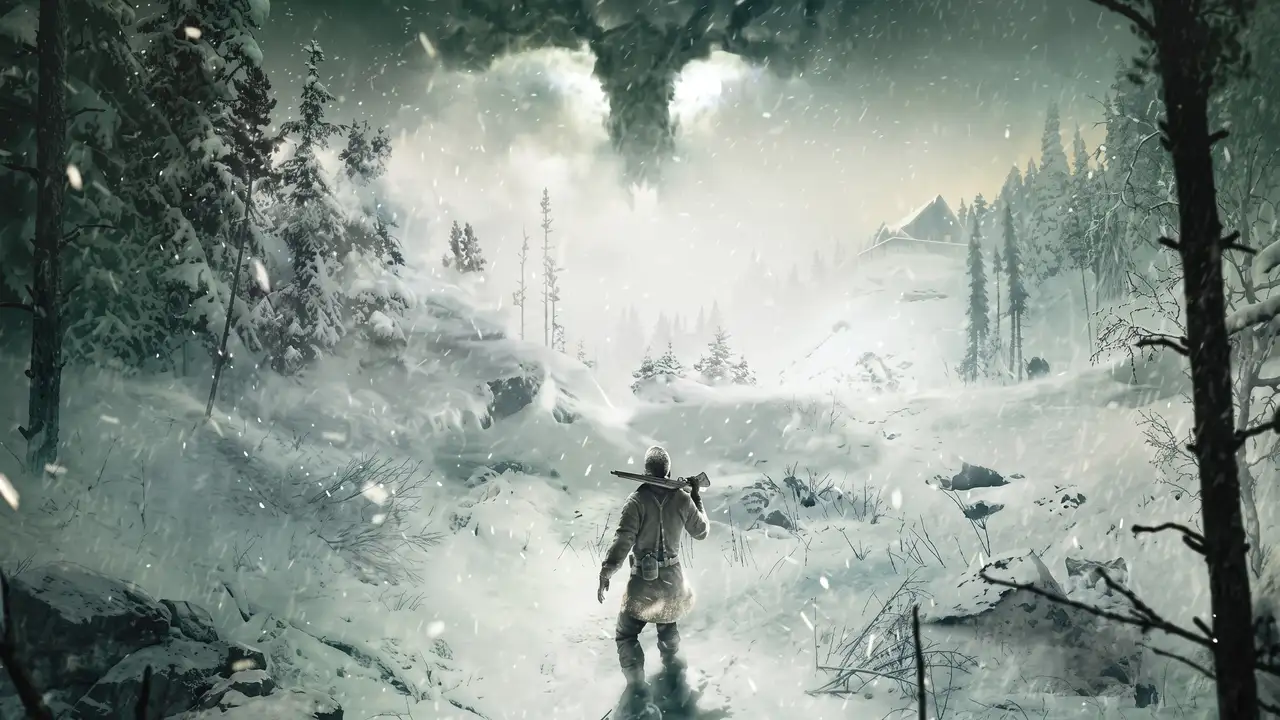
A detective jacks into a locked-down Kraków tenement in 2084 to investigate a son’s apparent death, and Observer builds its cyberpunk noir from that single oppressive building. Every door hides a body, a cult, a body-part black market or a person seduced to death by the building itself, and the dread stays constant through dark corridors, breathing walls and quiet that presses back. The noir worldbuilding (feed addiction, corporate Chiron’s stranglehold, the nanophage) layers densely, and the first sight of the stacks lands as a genuine jaw-drop. Made by horror developers but playing more like a thriller, the game trades jump scares for sustained unease. The building is essentially the antagonist.
The detective toolset delivers the fantasy of forensic noir taken one step further than most: electromagnetic vision, biometric scanning, and neural interrogation of the dead’s memories. Performing the autopsy inside the victim’s head is the game’s defining inversion, with the body serving as the crime scene’s hard drive. Each neural-dive is a distinct surreal set-piece, from a looping corridor nightmare to a surgical chop shop, a VR-addict’s fantasy starship and a watercolour childhood, and the first mind-dive converts instantly. A genuine chase sequence late in the campaign is thrillingly tense. The interrogations are what keep pulling back for more.
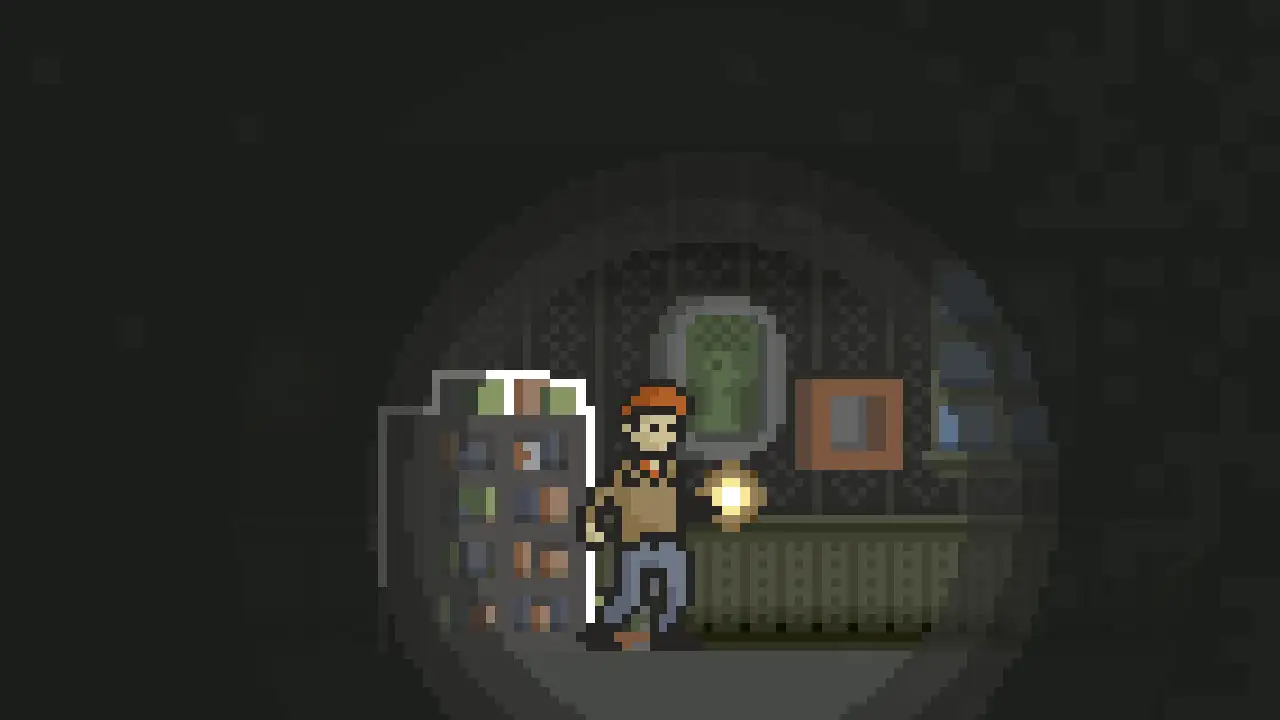
The With Fire and Sword: Spiders retro minigame becomes an unexpected obsession, an arcade cabinet hiding a genuinely addictive twin-stick shooter. Unlocking and finishing every level becomes a priority alongside the case, and the minigame earns a claim as the favourite part of the whole experience. The System Redux presentation adds three new side cases, ray tracing and 4K options, with light reflecting off blood in the dark corridors looking genuinely beautiful. The episodic side cases (a VR-addicted captain, a black-market organ surgeon, a girl haunted by an imaginary friend) reward exploration of every apartment. The readable clutter density in each dwelling impresses throughout.
Navigation is the recurring valley. Identical-looking floors breed constant disorientation, objectives lose their thread during backtracking, and hunting doors and codes burns real time, with one basement code hunt across indistinguishable corridors a particular low. The scanning crosshair is awkward and the off-centre cursor actively irritates in the early going, compounded by dense cyberslang and tiny text. A side case bugs out and refuses to mark complete despite full investigation. The deliberate opacity suits the genre in theory but tests patience in practice.
Pacing sags mid-game under the backtracking weight, but the memory-dive sequences compensate as the high-water marks, each one a self-contained reality with its own visual grammar. The hooded pursuer’s ambiguity (figment of a fraying mind or real threat) keeps tension alive between dives. The tenement’s oppressive quiet does as much horror work as any monster could. Roughly seven hours covers a complete case log across three sessions. The atmosphere never wavers even when the navigation does.
The ending reveals the son’s consciousness surviving digitally and forcing a merge, and the final choice turns out to make no practical difference, a design call accepted philosophically rather than resented. The merge into a new composite identity gives the cyberpunk tragedy a fittingly digital resolution. The thriller register holds to the last, and the closing stretch justifies the maze-like journey. Few investigative experiences commit this completely to their premise.
Overall, Observer is a visually stunning cyberpunk detective thriller whose neural interrogations, oppressive tenement atmosphere and addictive retro minigame deliver roughly seven hours of sustained dread, held back by navigation friction, a finicky scanning interface and one bugged objective. The memory-dive set-pieces are among the genre’s best, and the presentation sparkles in System Redux form. An atmospheric triumph that rewards patience.