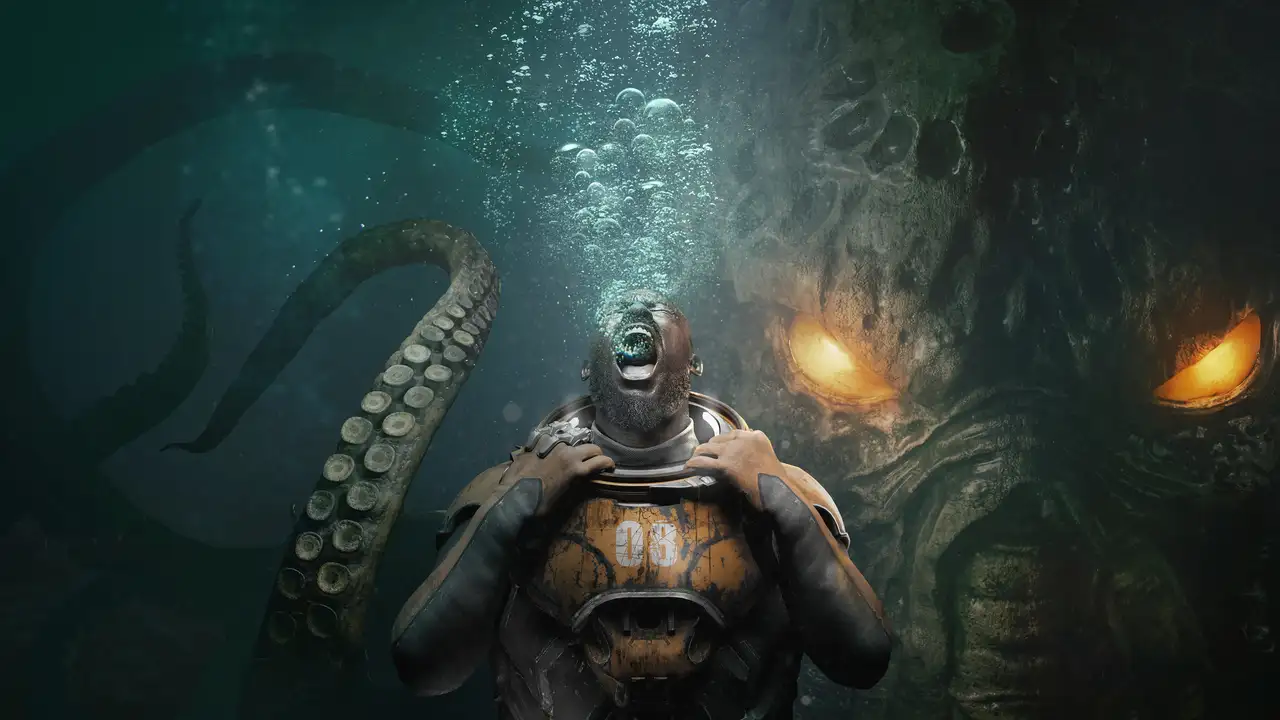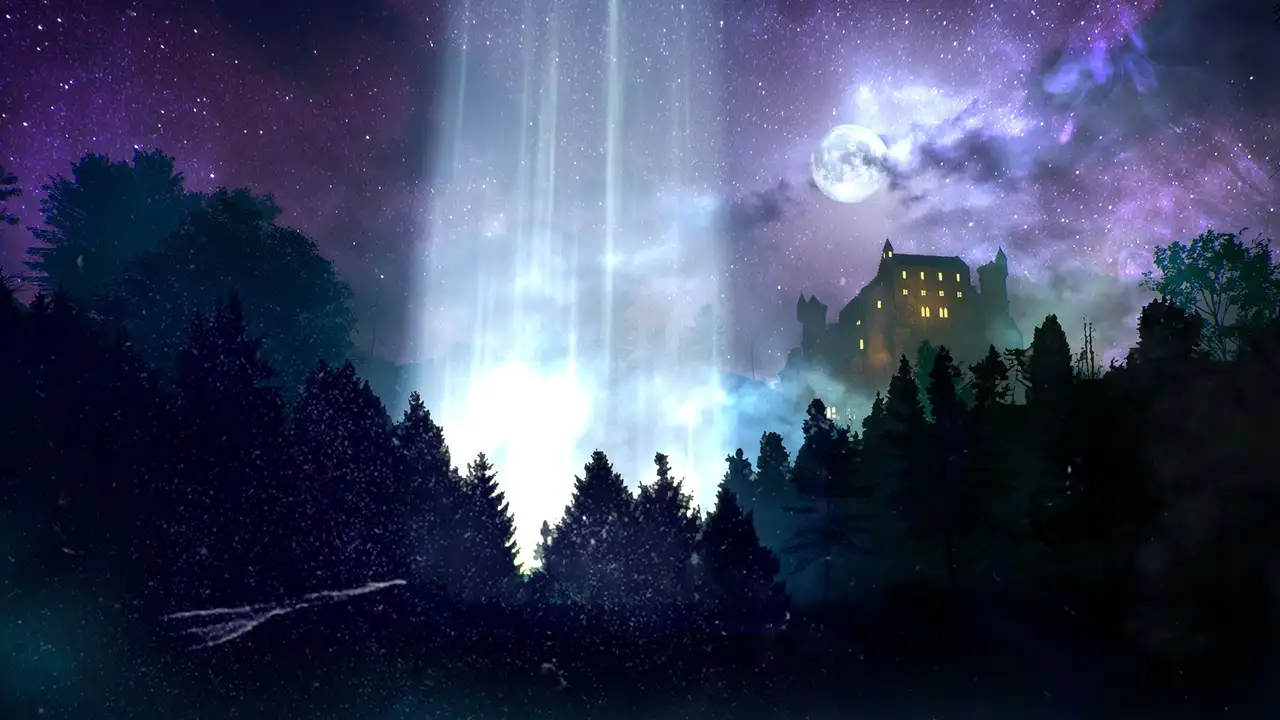
A detective swims to shore moments after his previous case concluded and walks into the frozen Manistan region, where an estate, an abandoned company town and a mining corporation’s radioactive secret wait beneath the fog. Diaries from an actress wife, a housekeeper and a doomed quarantine camp assemble a slow tragedy of greed, madness and revenge. The quiet-dread northern gothic leans on silence, mannequins and frozen bodies rather than spectacle, and the menace is bureaucratic as much as supernatural. Continuity with the first case is immediate and comforting.
The full narration is the game’s defining feature, and it transforms the whole experience. A literary, melancholy voice delivers the detective story as prose rather than dialogue, and the writing holds its register from opening to close without a false note. Nothing else in the genre sounds like this, and the narration alone justifies the survival-exploration shell wrapped around it. The 1970s rural-Quebec setting and bilingual French and English world-building deepen the distinctiveness. The prose is the primary gameplay experience, and it earns the position.
Visuals mark a major step up from the predecessor, and the technical overhaul is comprehensive. Quick inventory, better stamina, no weapon sway and fires that persist through saves fix nearly every friction point of the first game. The snowed-in Hamilton mansion is enormous, and the fog-drenched quiet is the game’s most unsettling weapon. Everything about the presentation feels more fleshed out than before, and the improvement is visible in every scene.
The underground HMC laboratory is the back half’s dense highlight, a small and condensed area packed with fuse-box, ventilation and drainage puzzles that reward genuine attention. A totem-pillar vision puzzle, a Geiger-counter-guided fragment hunt and a Lost-Woods-style cave sequence keep the mid-game varied. Leech Lake is explored by boat, the dog-sled overworld offers fast travel, and the quarry and Henryville each carry their own documentary threads. The set pieces distribute well across the runtime.
The open snowy world delivers scale at the cost of tedium, with some areas excessively large and long, empty treks between points of interest. One important character is placed at the far end of the map for no discernible reason, and the journey there tests patience rather than building dread. The Wendigo, the story’s creature, is nearly absent from the middle act, its presence confined to the bookends. A monster that takes the night off leaves the fog to do all the threatening.
The final encounter had to be replayed three times due to technical failures rather than difficulty, once soft-locked by being battered into a wall and once by a full game crash. The dialogue UI compounds smaller irritations, with yellow text pinned to the left of the screen against bright snow where bottom-screen placement would have solved the problem instantly. One narrative thread, the origin of the great snowstorm, is left hanging without acknowledgment. None of these flaws sink the experience, but each is avoidable.
Overall, the fully narrated detective story, the handsome visual overhaul and the quiet-dread atmosphere of the mansion and its laboratory make this the stronger and more polished half of a distinctive series. The oversized map, the absent creature and a finale that fails technically before it fails dramatically are real deductions. What the sequel fixes, it fixes well, and the narration carries everything the map cannot.