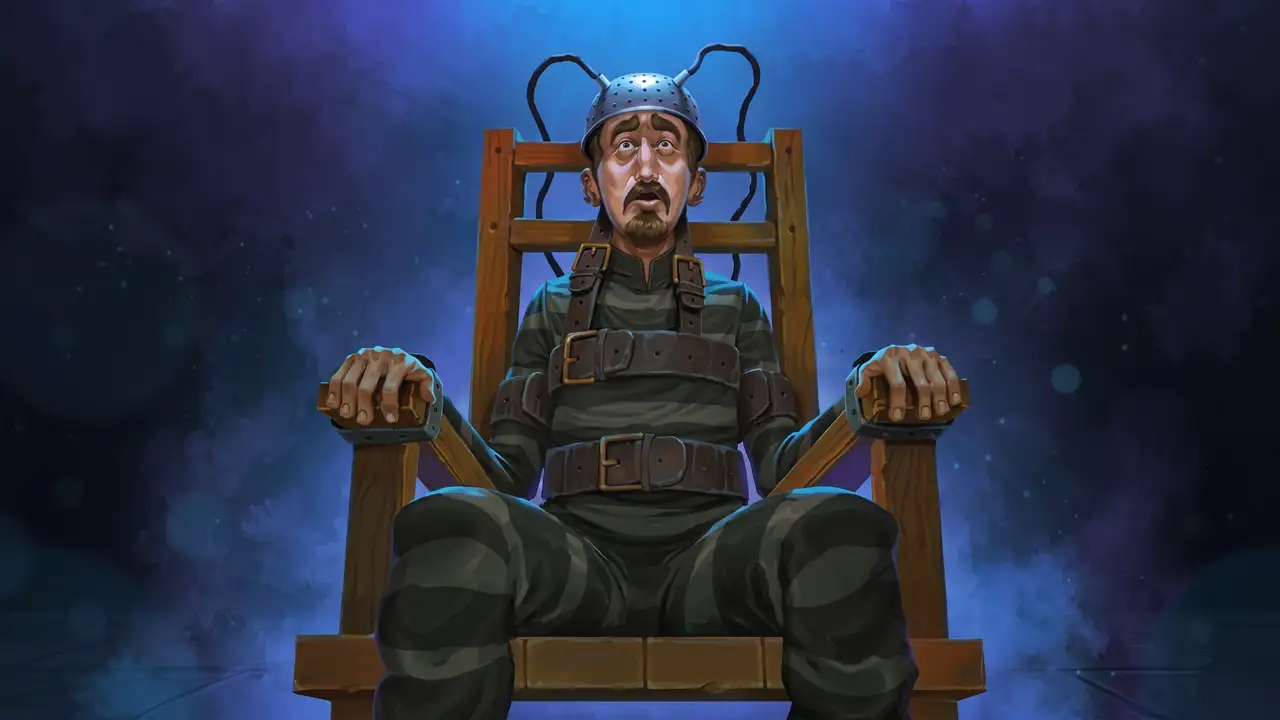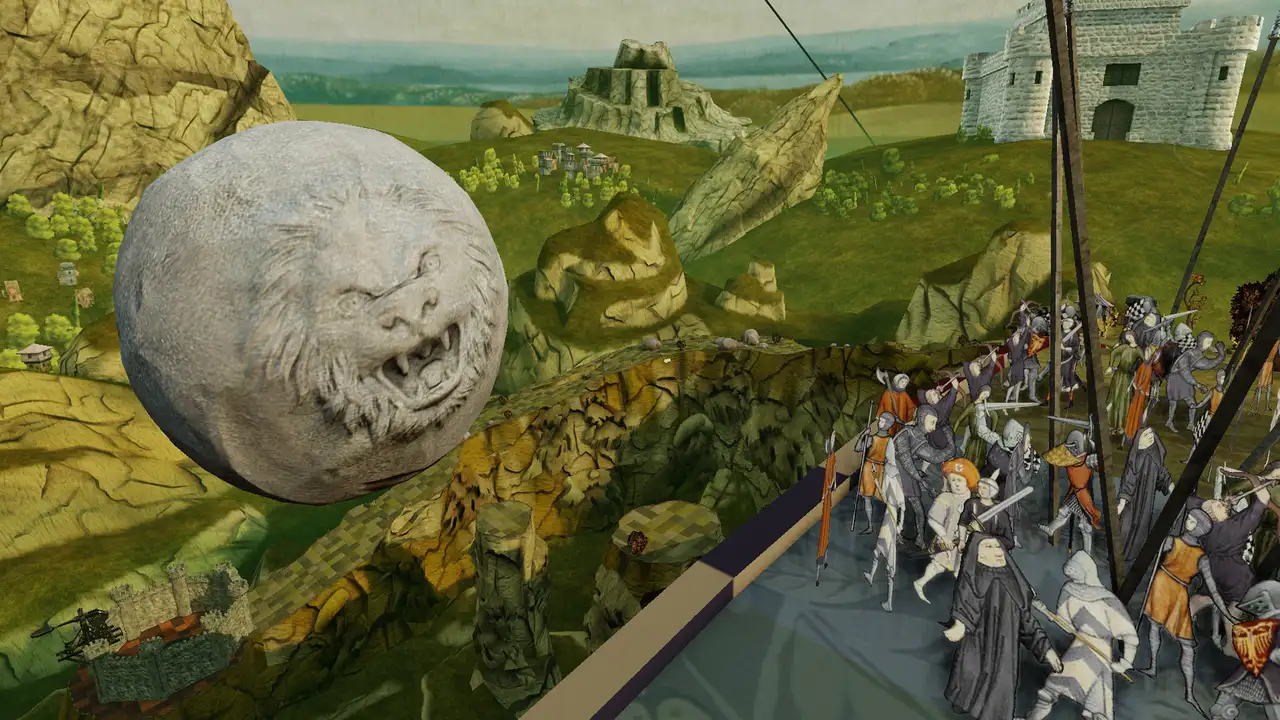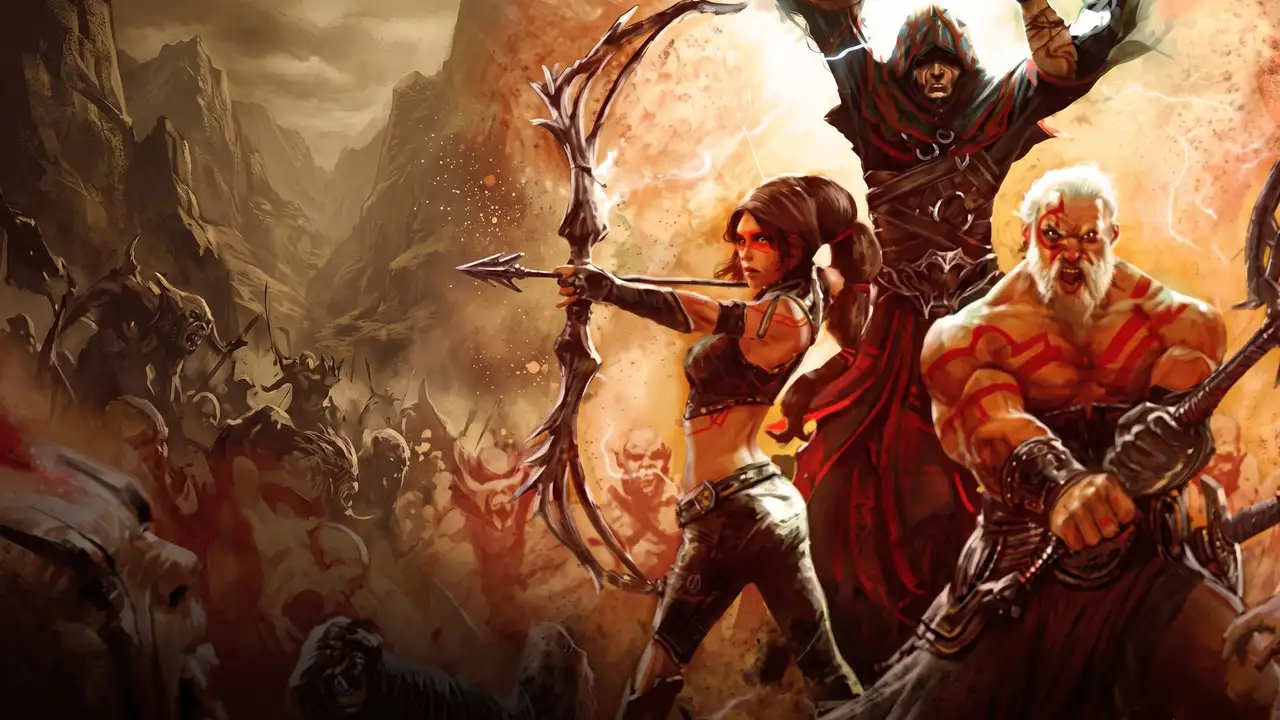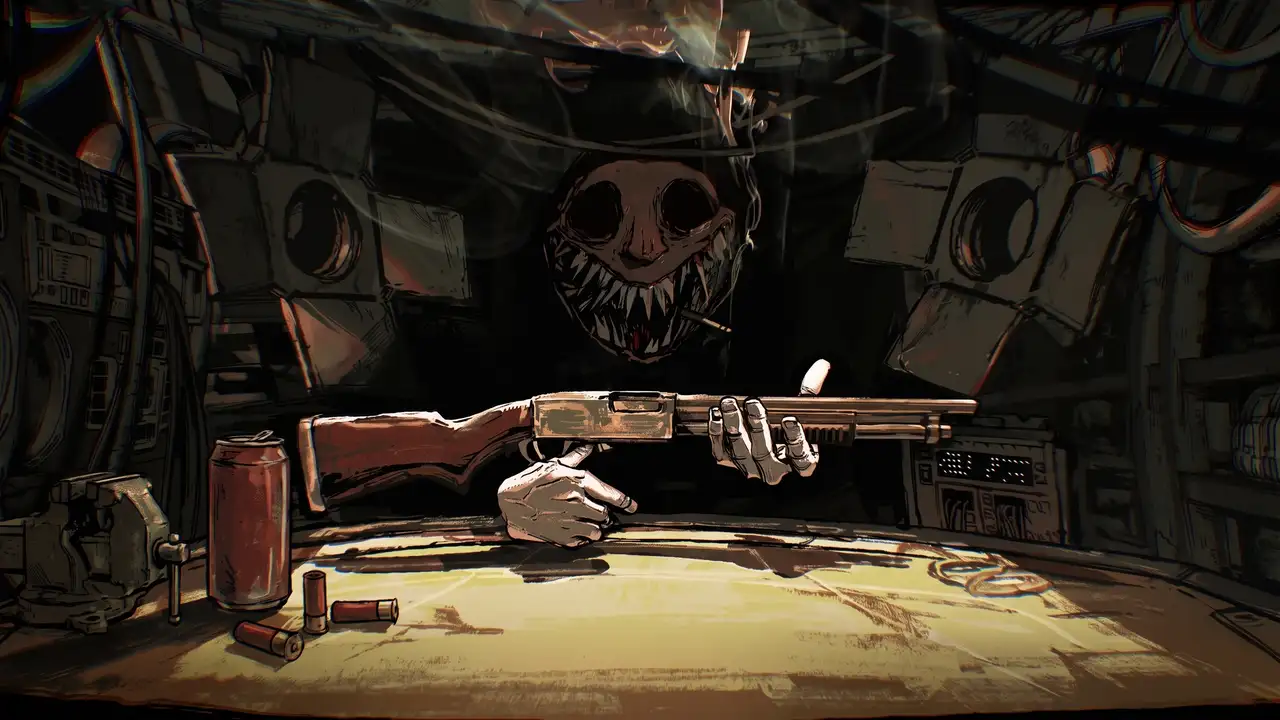
A missing anthropologist, a flooded home in Arkham, and an abandoned deep-sea drilling station set the stage for a first-person investigation set in 2053. An agent and an AI companion follow the trail downwards, past a sunken temple and into an extradimensional prison-city where a tech-billionaire cult dreams of waking something older than the ocean. The label promises horror; what arrives is closer to paranormal pulp, all lore-heavy documents, cult diaries, and dream-fragments, with dread-adjacent tone rather than outright fright. That substitution is a design choice rather than a failure, and the game commits to it. What follows is one of the more mechanically interesting takes on Lovecraftian investigation in recent memory, held back by technical problems it should never have shipped with.
Investigation forms the spine. Sonar frequencies scan environments for clues, evidence connects into deductions on a board, and environmental puzzles run from pipe networks and battery swaps to resonance cubes and star seals. The defining twist is that every investigation offers two resolutions: one conclusion that raises corruption, one that heals it. Morality becomes a mechanical act on the deduction board rather than a dialogue tree, and the choice ripples forward, since corruption acts as an RNG-ish endgame modifier shaping later decisions. Steering toward the clean path on every case turns the deduction work into a quiet discipline, and the game rewards that consistency.
Corruption itself earns recognition as the game’s freshest idea. The sanity meter passively erodes equipped evolution perks, which sounds punitive until the loop inverts: perks destroyed by corruption grant permanent stat boosts, so the meter becomes a farmable resource. Deliberately feeding madness to the void in exchange for lasting gains is a genuinely new angle on Lovecraft-game sanity systems. It makes the corruption meter something to manipulate rather than fear, and it pairs neatly with the dual-resolution investigations to make madness a currency with a ledger.
The drowned temple and its non-Euclidean maze demand frequent backtracking, and the impossible Lovecraftian architecture consistently rewards the trip. Non-Euclidean mazes, the Yith citadel, and environmental storytelling dense enough to read like a whole manual give the descent a sense of scale that pure horror staging rarely manages. One genuine horror moment exists amid the reading and puzzling, and body-horror beats such as the mating ritual reveal land closer to gross-out than dread. The mushroom-injection sci-fi healing mechanic draws similar tonal whiplash, shooting mouldy fungus into veins as a stimulant.
Control breakage is the defining flaw. Jump, interact, and climbing inputs simply cease to function at random, forcing repeated reloads from the main menu with no visible trigger. Soft-lock-adjacent traversal bugs compound the problem: unable to climb out of pits or jump over boxes, respawn does nothing, and the only fix is a menu reload. No progress is lost, but patience erodes across a dozen-plus occurrences from the second chapter onward, and the breakage near-ruins stretches of an otherwise engrossing descent.
The finale’s constellation-lock puzzle is the low point. Opaque to the point of inviting brute force, it defeats the no-guide instinct entirely, and the solution logic never becomes legible even in retrospect. Contrast that with the pipe networks and resonance cubes earlier in the campaign, which telegraph their rules well enough to solve honestly. An obtuse symbol lock that breaks the player’s own principles stands out precisely because everything before it communicated.
Overall, a fresh corruption-as-resource loop and a two-solution deduction board carry an investigation game with real architectural imagination, and the non-Euclidean depths justify the trip on their own. Input systems that stop working at random and an unreadable final lock are serious liabilities, yet the core loop holds. This one lands despite its bugs, not because of them.