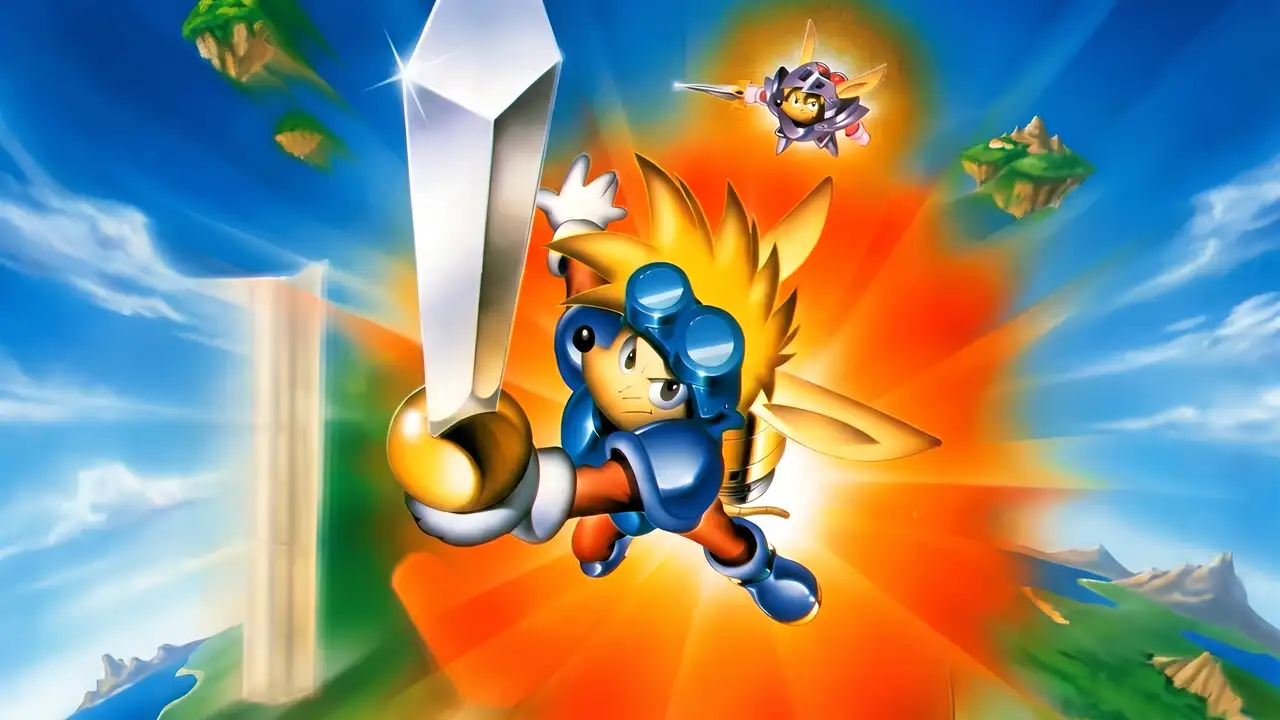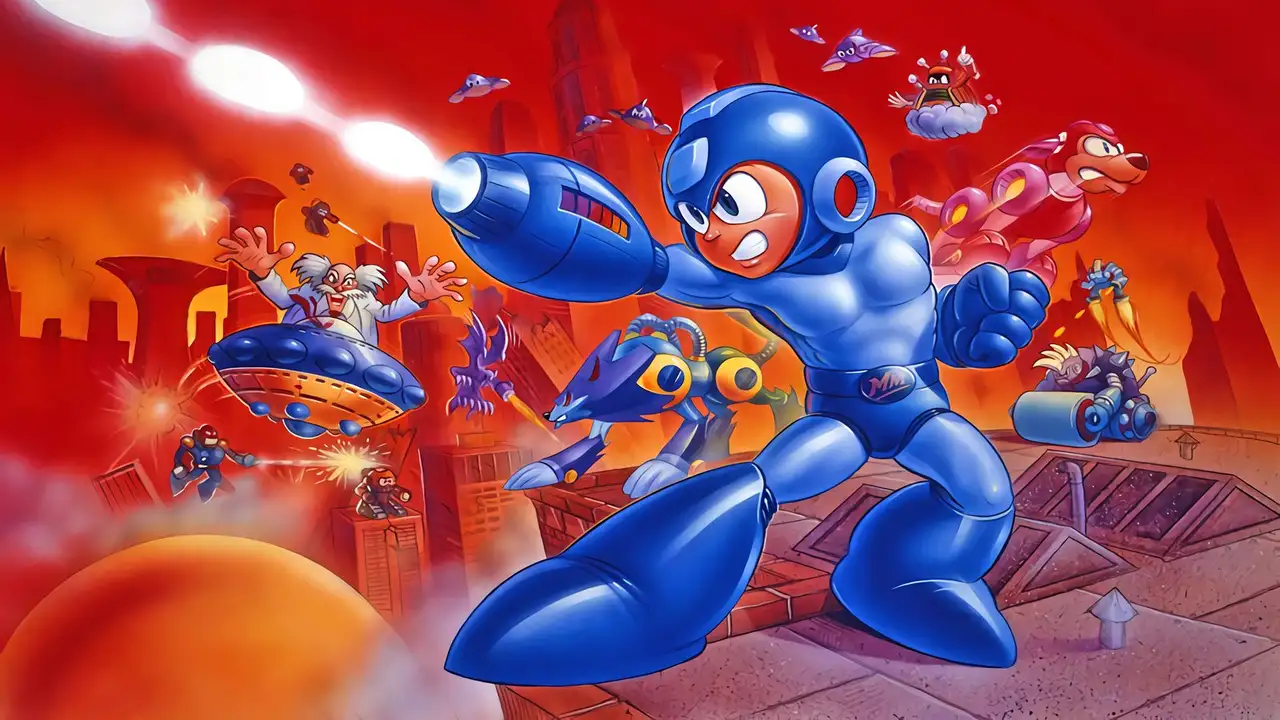
The classic formula makes the jump to 16 bits, and the sprite grows into a wider, chunkier protagonist who moves noticeably slower than the NES era ever allowed. Mega Man 7 arrived in the shadow of a certain faster, flasher sibling on the same hardware, and the comparison has haunted it ever since. Yet the game proves the formula survived the hardware jump with its identity intact: captured villains, hidden backup robots, and a mysterious rival whose arrivals build the most story-forward classic entry yet. Structurally this remains a traditional Robot Master game, four initial stages unlocking four more, but the presentation weight around them is new for the series.
Music and visual presentation are what the game does best. Bass’s theme, the happy Spring Man stage and the Wily fortress music all stand out, and the soundtrack earns repeated praise from the opening stage onwards. The SNES hardware lets the sprite work breathe, and the visual identity holds up remarkably. This entry deserved better than the shadow it lives in, and the audio alone makes the case.
The weapon roster is the series’ most inventive set. Noise Crush charges by bouncing off walls, a mechanic that turns level geometry into a power source. Danger Wrap traps enemies in floating explosions, Freeze Cracker’s ice splits across surfaces, and the self-weapon boss-gauntlet secrets reward playing creatively, including freezing the game with the right weapon. Thunder Bolt powers electronic machines and doubles as one half of the finale’s key combo. The interactions between weapons and world reach a level the classic series rarely attempted again, and experimentation pays consistently.
The museum stage and the Ghouls ‘n Ghosts-styled Shade Man stage are the campaign’s highlights. The museum renders NES-era Robot Masters in SNES style as affectionate callbacks, while Shade Man’s coffins and zombie robots lead to a secret Ghosts ‘n Goblins music Easter egg, making it the best stage in the game. The rival arc gives the narrative its spine: the mirror reveals, the multiple encounters and the Super Adapter theft all land as genuine series-lore engagement, with the rival and his wolf framed explicitly as the Proto Man equivalent of this generation. The robots-cannot-harm-humans climax followed by the rival’s rescue closes the story with satisfying weight.
Bolts feed Big Eddie’s shop, with prices halving after the Hyper Bolt sidequest, and the S Adapter merges the jet pack and fist from the previous entry into one transformation. The Proto Shield and the hidden Beat rescue round out a full completionist loop, and the exit adapter grants quick stage returns that make revisits painless. Weapon-switching happens by button press, compensating for the absent SNES shoulder-button mapping, and Rush Jet’s nerfs rein in the traversal dominance of earlier games.
The slower, chunkier movement is a real adjustment. The larger sprite takes up more space, the pacing loses the NES games’ speed, and the change is the entry’s recurring structural complaint even accepting the SNES-scale rationale. Weakness damage is far gentler than earlier entries, nothing doing more than one point against the final boss, and the resulting fight stands as the hardest Wily in the series. The Freeze Cracker and Thunder Bolt combo suppresses his projectile attack and makes the encounter tractable, but four E-tanks of patience still disappear into it.
Text speed remains slow as ever, the localisation quality dates the whole package, and the Wiley/Wily typo sits in the script for anyone paying attention. The arm cannon sounds like a peashooter, a genuinely weak sound effect in an otherwise strong presentation. The gear-style inventory buries the Mega Buster awkwardly, a small UI niggle that a redesign would fix. None of these sink the experience, but together they show a game rushed out alongside a sibling that got the polish budget.
Overall, this 16-bit debut proves the classic formula survived the hardware jump with its identity intact, and it deserved better than its sibling’s shadow. The soundtrack, the creative weapon interactions and the rival arc carry it past the sluggish movement and the brutal one-damage finale. A very good game that lives unfairly underrated.