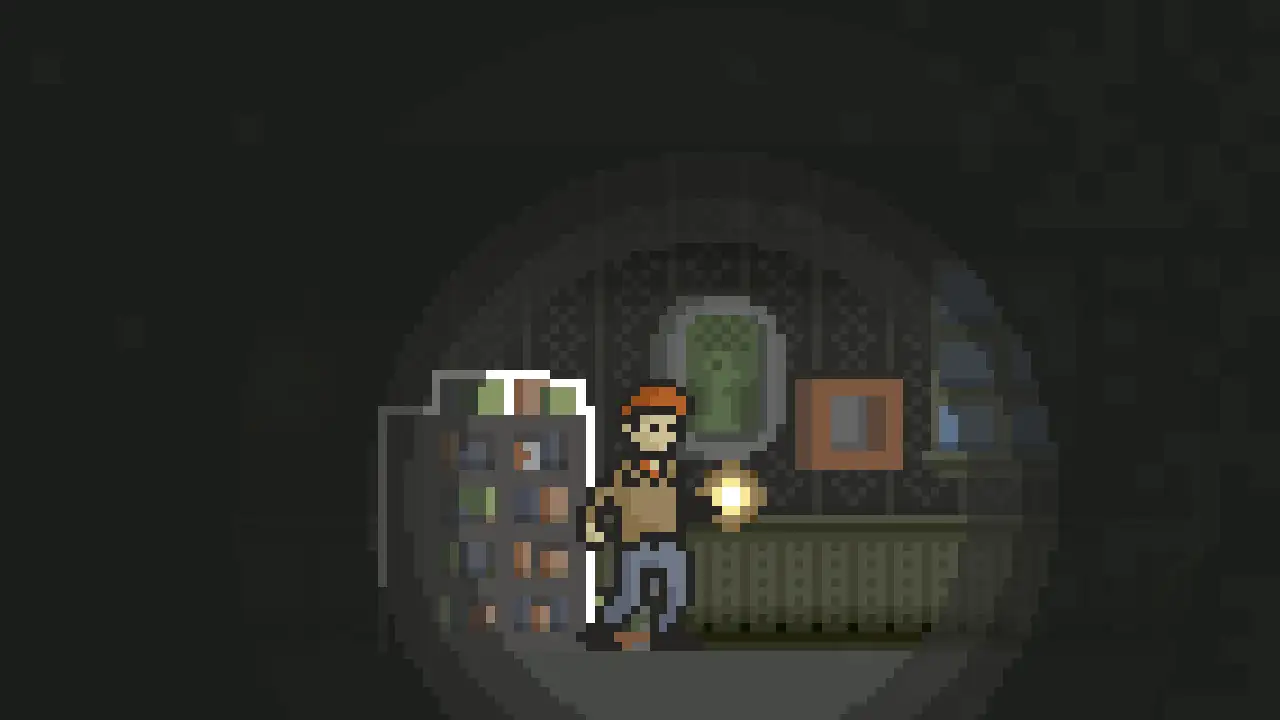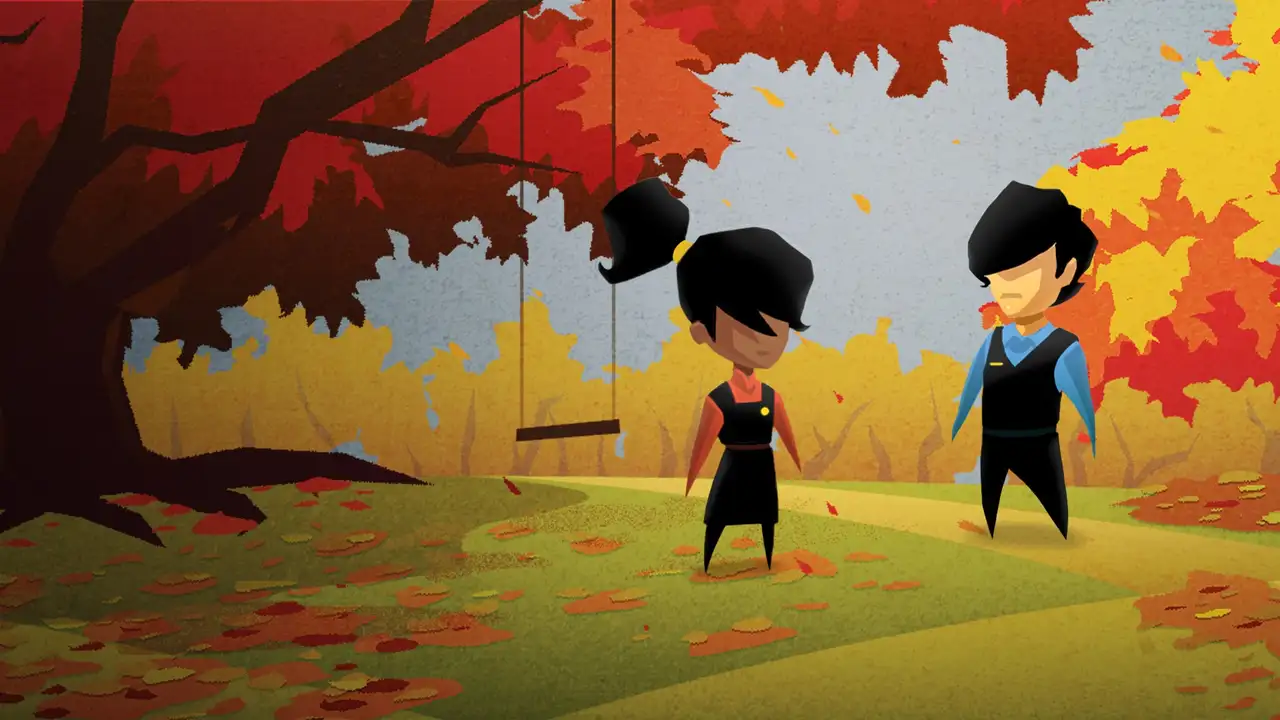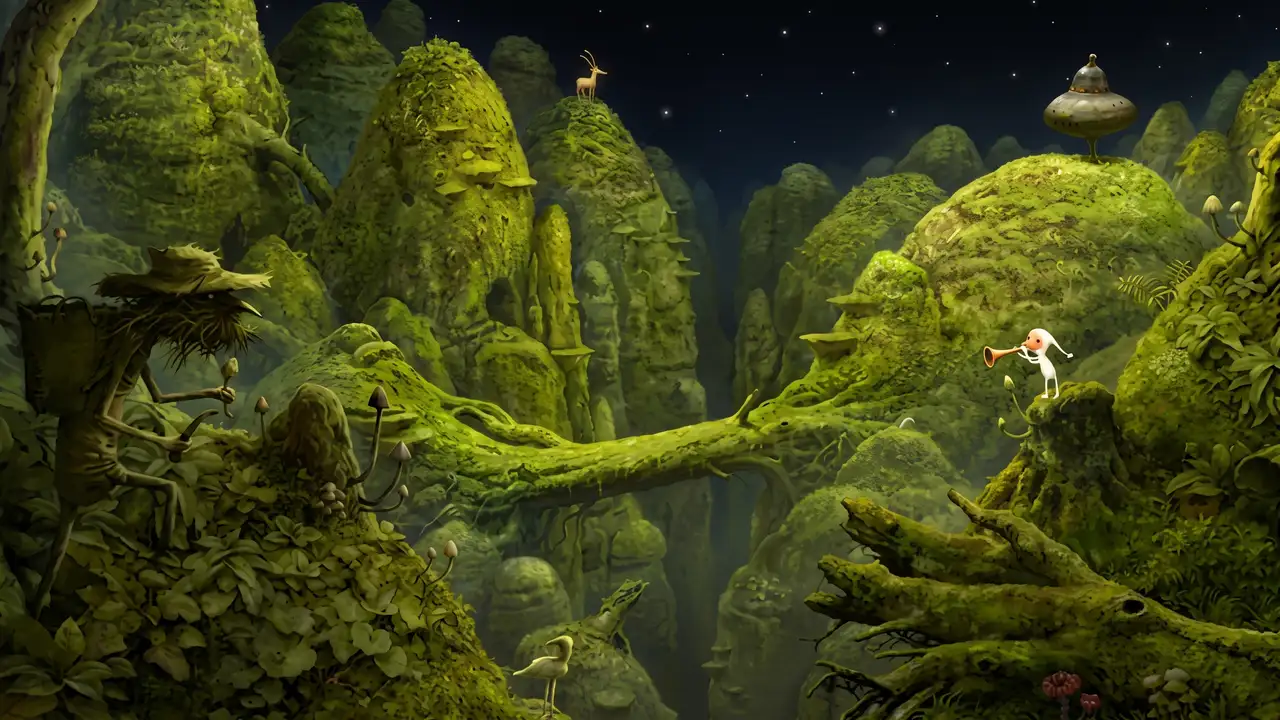
A spoiled prince of Hell has his embarrassing private photographs stolen and leaked across the underworld, and the response is a drill-wheeled rampage through more than ten themed zones to hunt down every monster standing between the throne and the negatives. The premise is absurd, and the game commits to it completely: cutscenes are entirely wordless except for grunts and hoots, zones swing from volcanoes and jails to casinos, museums and one delightfully psychedelic pocket dimension, and every single kill produces a deadpan mock-biography in the monster index. Tone does the heavy lifting, and it never runs out of jokes.
The monster-hunting loop is the identity of the whole thing. Roughly a hundred indexed monsters are tracked across gated zones, and the index entries alone sustain the experience; one records that a card-shop owner’s money came from a trust fund set up by parents selling knitted jumpers with kittens on them, and the writing holds that register from the first zone to the last. Kill quotas open the doors forward rather than ability gates, so the structure resembles a metroidvania only loosely; progress is checklist-driven, and free exploration is thinner than the map might suggest.
Execution mini-games give each kill a distinct beat, a quick time-pressed flourish rather than an afterthought, and the arsenal escalates generously from the drill-wheel and jetpack through double and wall jumps to a gatling gun, a bazooka and a gloriously overpowered holy water thrower. Money earned from kills buys weapons and upgrades, plus purely cosmetic skins with a randomiser for the committed. Trap-based finishes turn each encounter into a small set piece instead of a simple damage race.
Radar gets offered early with a dismissive in-fiction joke and turns out to be barely necessary, which suits the zone design; the real navigation challenge is remembering which quota gates remain, not finding monsters. Silent cutscenes work as a running gag even when they stretch a touch odd. Fountain heal points double as saves, keeping the generally fair difficulty honest, though a handful of setups break that fairness, including one boss with no invincibility frames that can destroy a fresh respawn instantly.
Friction comes from everywhere the humour does not reach. Contact damage on every enemy punishes the melee-focused playstyle and produces frequent stunlock deaths, respawn ambushes catch backtracking runs off guard, and late-game checkpoint placement leaves long gaps that one poorly signed puzzle makes worse. Several puzzles are badly signposted enough to demand luck or brute-force experimentation. Technical stability is another sore point on this setup, with audio and cutscene problems severe enough under Proton to qualify as the largest single blemish.
The monster-island labour system is charming but shallow: captured monsters can be assigned to mining, mana, laboratory and harbour zones for passive gifts, and the whole thing is optional to the point of decorative. A motocross mission mode offers trick contests with floaty, unintuitive controls where success arrives through luck more often than intent. Neither drags the core loop down; both feel like sketches that could have been systems.
Overall, this is a relentlessly funny, mechanically busy monster-hunting romp whose character easily outweighs its jank. The hundred uniquely written obituaries, the bespoke executions and the wordless cartoon Hell give it an identity nothing else shares, and the friction never threatens the good mood. At a modest price, the recommendation is easy.