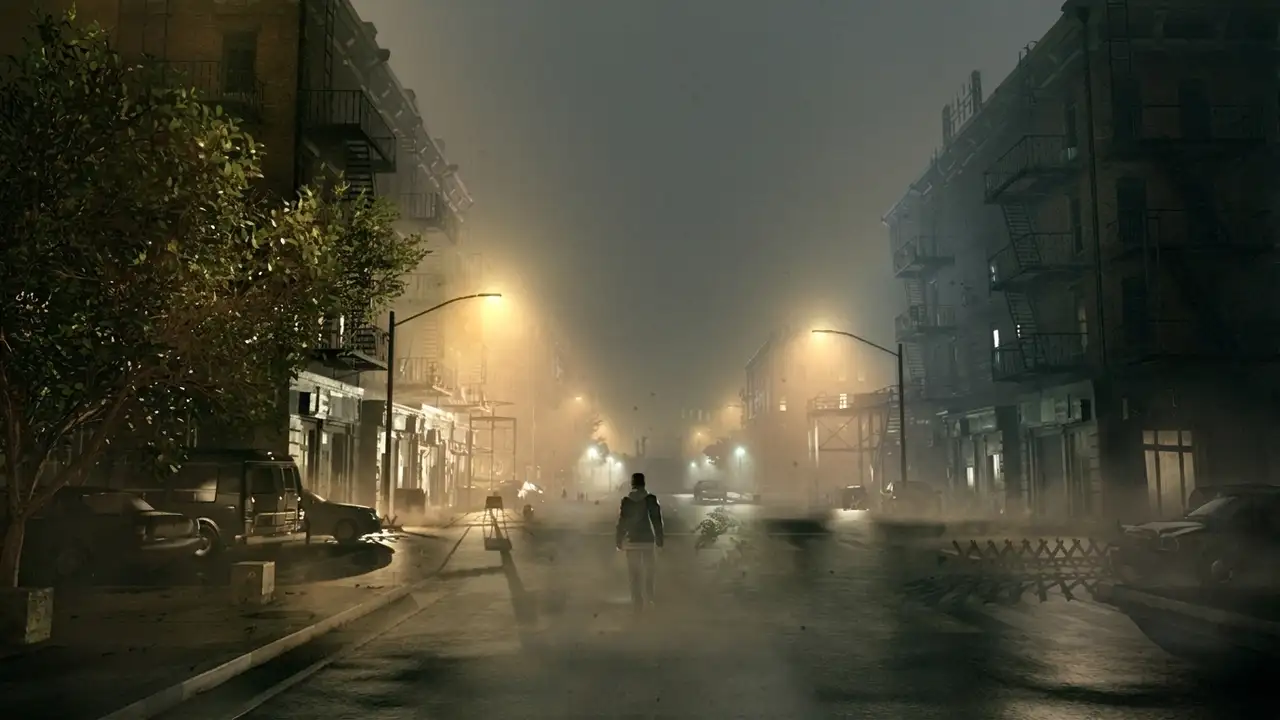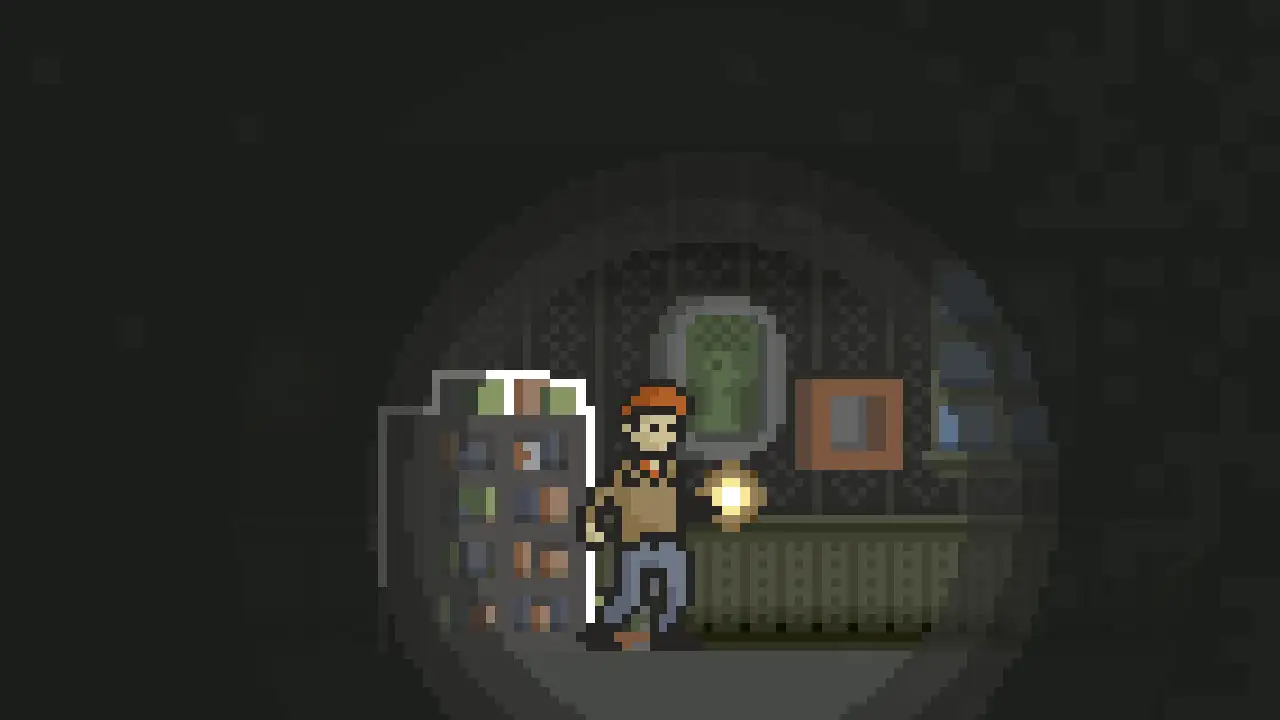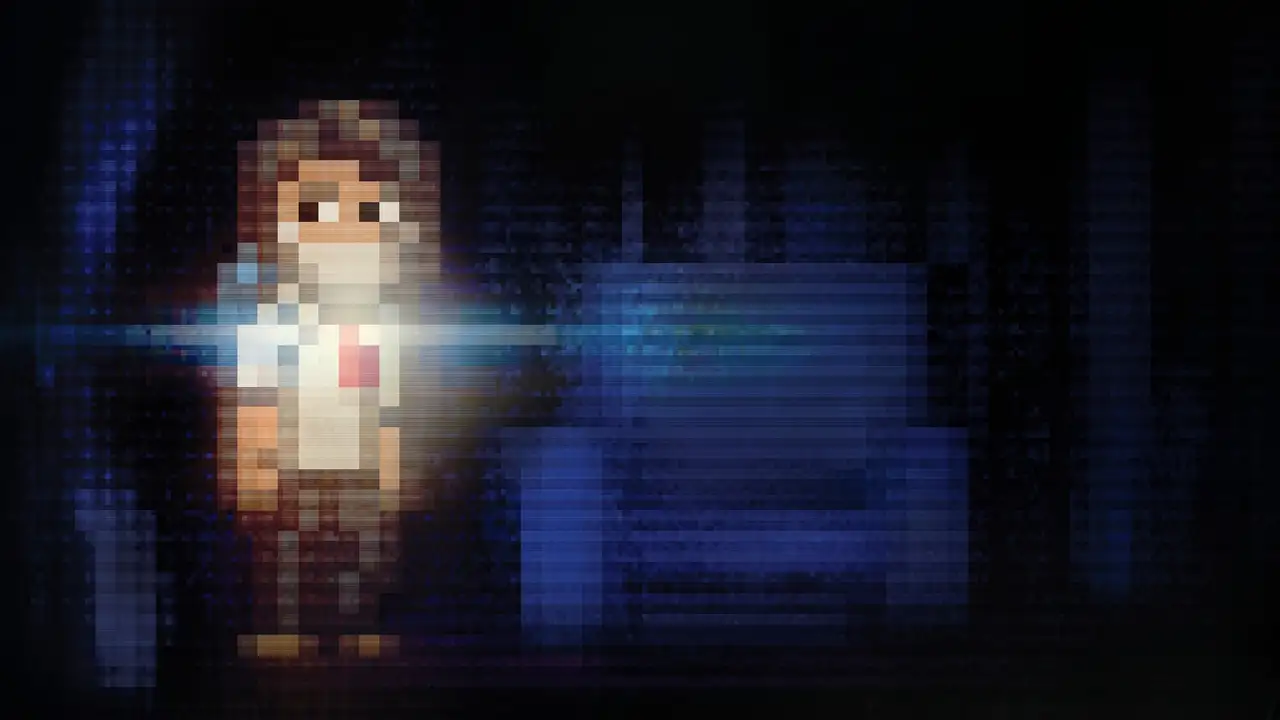
A nameless survivor holes up in his apartment as a disease turns residents into shambling, grinning monsters, and the block around him decays in unmistakably familiar ways. Lone Survivor wears its Silent Hill inspiration openly, from the monstrous smiling creature designs to the mirror fast-travel and the rot-stained corridors, and the atmosphere is the game’s defining achievement. A radio-voiced Director draws the survivor deeper, drawings of a girl recur as haunting motifs, and an ongoing dream conversation blurs what is real. The tone sits between dream and nightmare, and the presentation commits to it completely.
The survival loop is the true resource game, and it is not about ammo. Hunger, tiredness and mental health demand management, with cookable meals like beans, rice pudding and ham as the survival staples, and warm food genuinely matters. Rotten meat distracts the stench-drawn monsters long enough to slip past or hide in holes, flashlight batteries get rationed against the dark, and pill trades with the infected neighbour carry side-effects that complicate the mental-health meter. Choosing what to shoot versus what to leave asleep is the central tension, and the systems reward thought over reflex.
Mirror fast-travel works elegantly. Each mirror connects the block’s geography into a network that makes backtracking painless, and the system’s simplicity is its strength. The flashlight bait-and-hide loop pairs with the distractions, letting monsters be drawn towards light or noise and then evaded, and the hide-in-holes mechanic turns closets and gaps into genuine refuge. The survival layer is engaged with constantly rather than tolerated, and cooking a warm meal becomes a small ritual that the pacing respects.
Awkward combat is the first real friction. Enemy range reads unreliably, bullets waste on shots that looked lined up, and constant hits land from creatures that seemed safely distant, with the reticle drifting towards ceilings on more than one occasion. The scarce pistol ammo traded for blue pills makes each miss sting, and the mushy gunplay never develops into something dependable. Fortunately the design allows avoidance so thoroughly that shooting remains a last resort, and the combat’s flaws matter less than they would in an action-led game.
The basement is the campaign’s lowest stretch. Near-total darkness persists even with gamma maxed, and turning on the flashlight invites detection, producing a damned-if-you-do bind that turns the area into blind fumbling. A soft-lock moment compounds the frustration: trapped between two monsters with no restart-from-save option, the only escape is waiting out a deliberate death. The generator, fuel and fuse trio restoring the elevator provides the mid-game’s key beat, and the chase that follows from a giant mother creature lands with real tension, mercifully forgiving rather than instantly lethal.
The hospital reveal reframes the whole outbreak, and the epilogue counts the protagonist’s treatment sessions directly. Multiple endings are dictated by playstyle rather than collectibles, with the blue ending arriving naturally from a straightforward completionist-adjacent run and the white ending’s requirement list explained in enough detail that skipping the chase feels like a considered choice rather than a failure. The man in the box haunts the narrative’s margins without demanding engagement, and the dream logic holds together better than most psychological framing manages.
The campaign runs short and complete in a single session, and the pacing respects the scavenging rituals without padding them. Difficulty leans on resource management rather than combat skill, and the atmosphere rewards slow, careful movement. The Silent Hill-shaped dreamscape earns its references rather than borrowing them, and the treatment-session epilogue gives the whole structure a purpose the premise never promises.
Overall, this is a short, atmospheric survival horror that rewards careful scavenging more than shooting, with the food, sleep and sanity loops carrying a campaign whose atmosphere justifies its references. Mushy combat, the pitch-black basement and the no-save soft-lock trap are real flaws, but the mirror network, the creature designs and the ending structure make it a rewarding few hours.