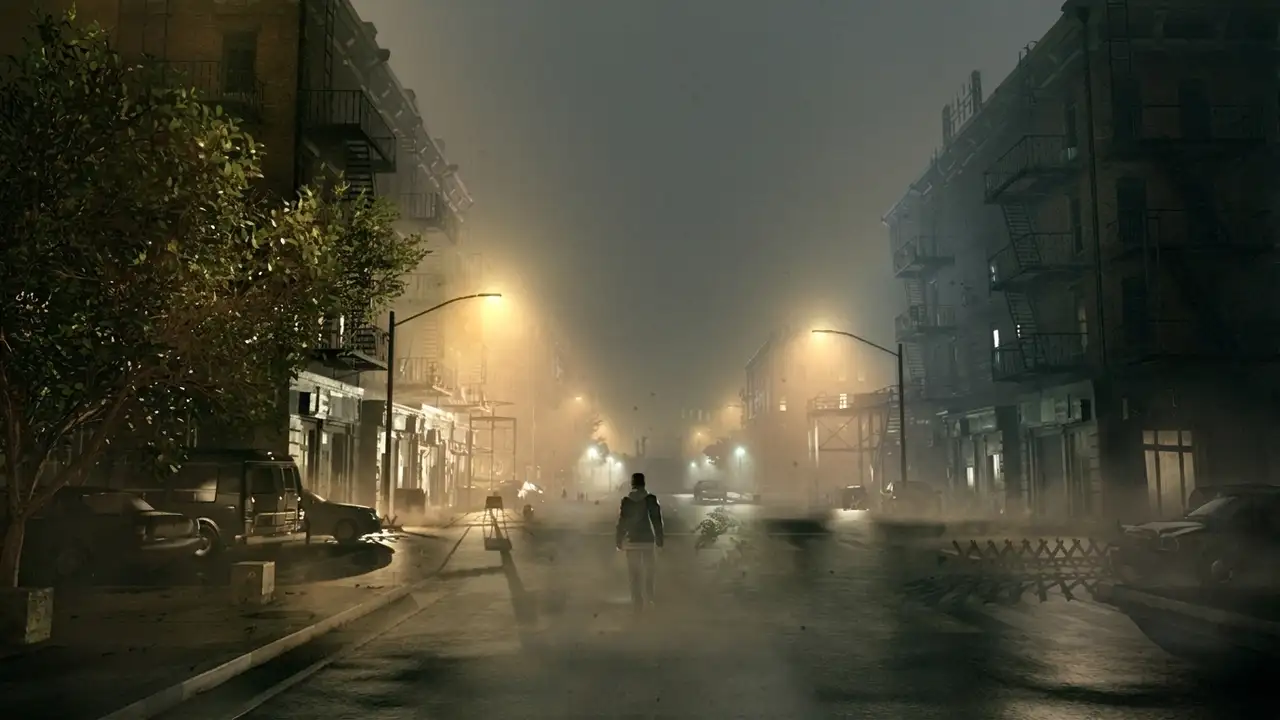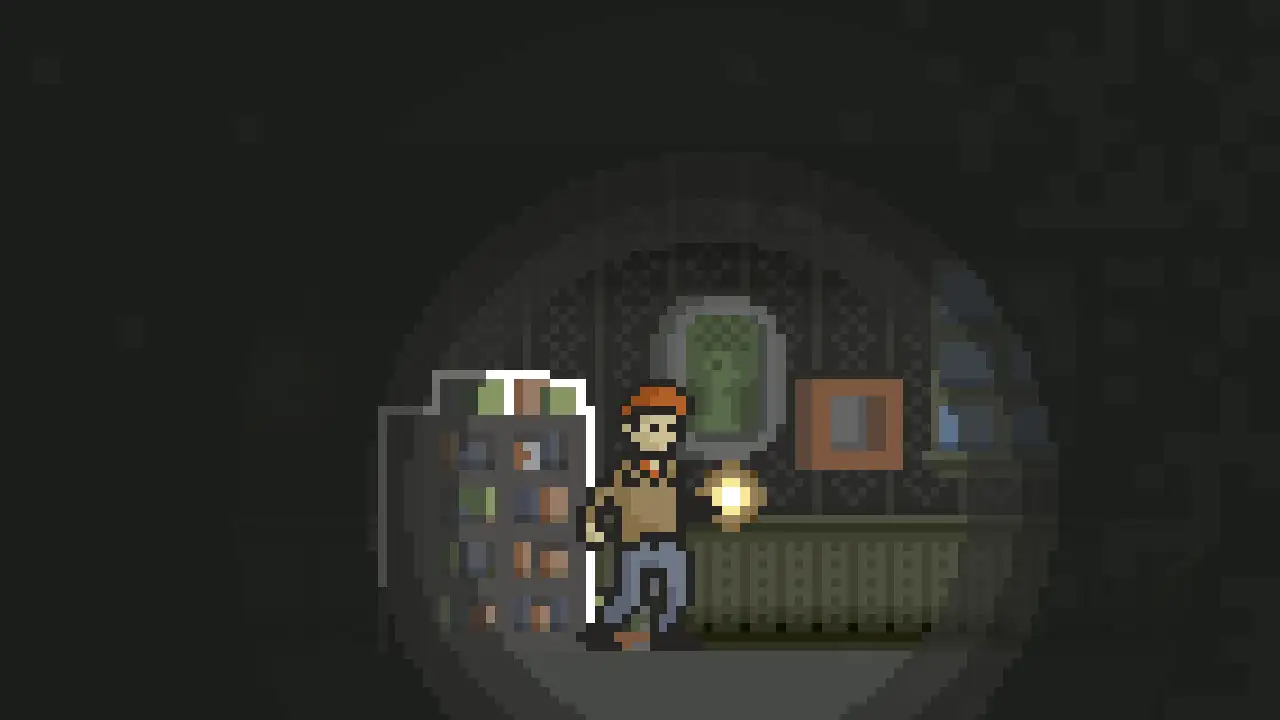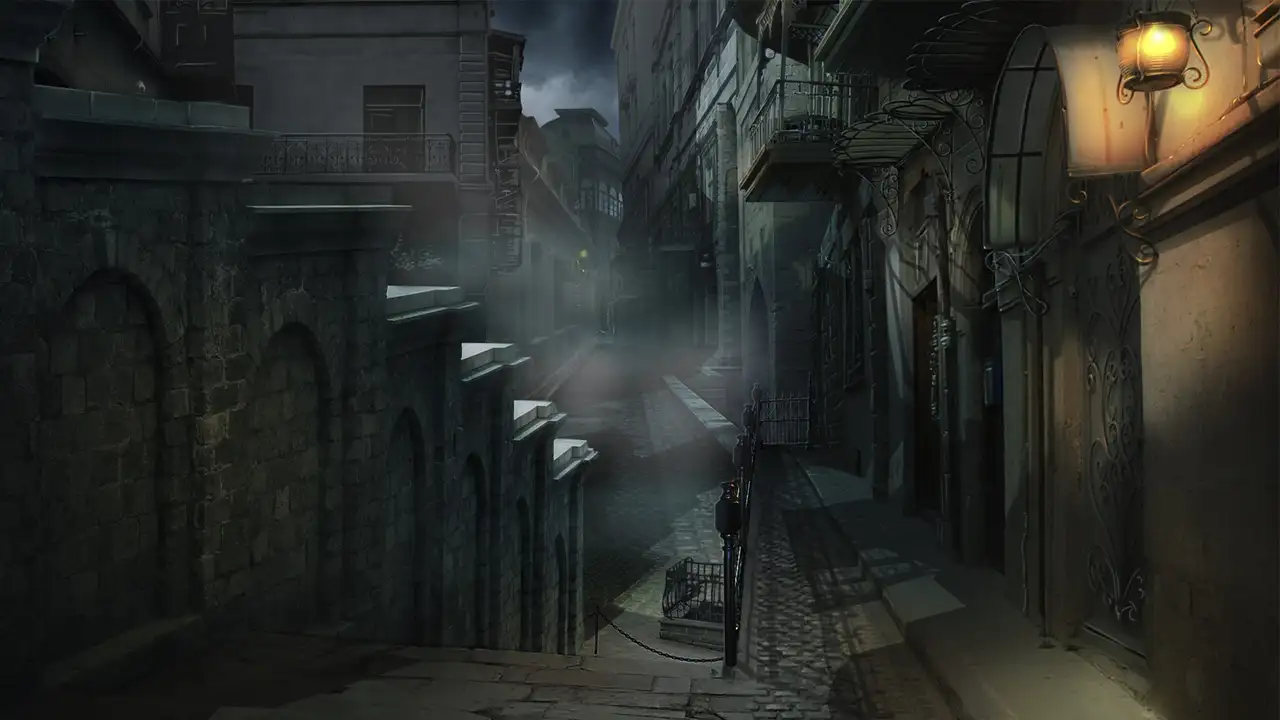
A linguist returns to Baku, receives a mysterious Avesta tome, and is pulled through wells into a dark mirror of the city on the eve of a Zoroastrian apocalypse. The two-world structure, with normal streets above and monstrous depths below, invites obvious Silent Hill comparisons, and the game leans into them openly. What sets it apart is where it comes from: this is an Azerbaijani-developed horror that treats its own city as both setting and subject, and the result is a curiosity that no Western studio would have produced.
The dialogue is the accidental headline. Broken English, mismatched subtitles, and cutscenes that leave the viewer more confused than before combine into a story that resists comprehension entirely, and the incomprehension becomes the entertainment. The throughline of the whole experience is so-bad-it’s-good: the absurdity of the plot, the brevity, and the dialogue that never once makes sense push the game into enjoyable-bad territory rather than merely bad. The jank is earnest, never malicious, and that distinction matters.
The in-game encyclopedia is the earnest heart. Entries teach real history of Baku, the Old City, and Zoroastrianism, and they read more coherently than the story they accompany. The suspicion that the game exists partly to teach people about Azerbaijan is hard to avoid, and as an educational angle it works: the lore is genuine, specific, and presented without condescension. As a cultural primer wrapped in a B-movie horror shell, it is oddly effective.
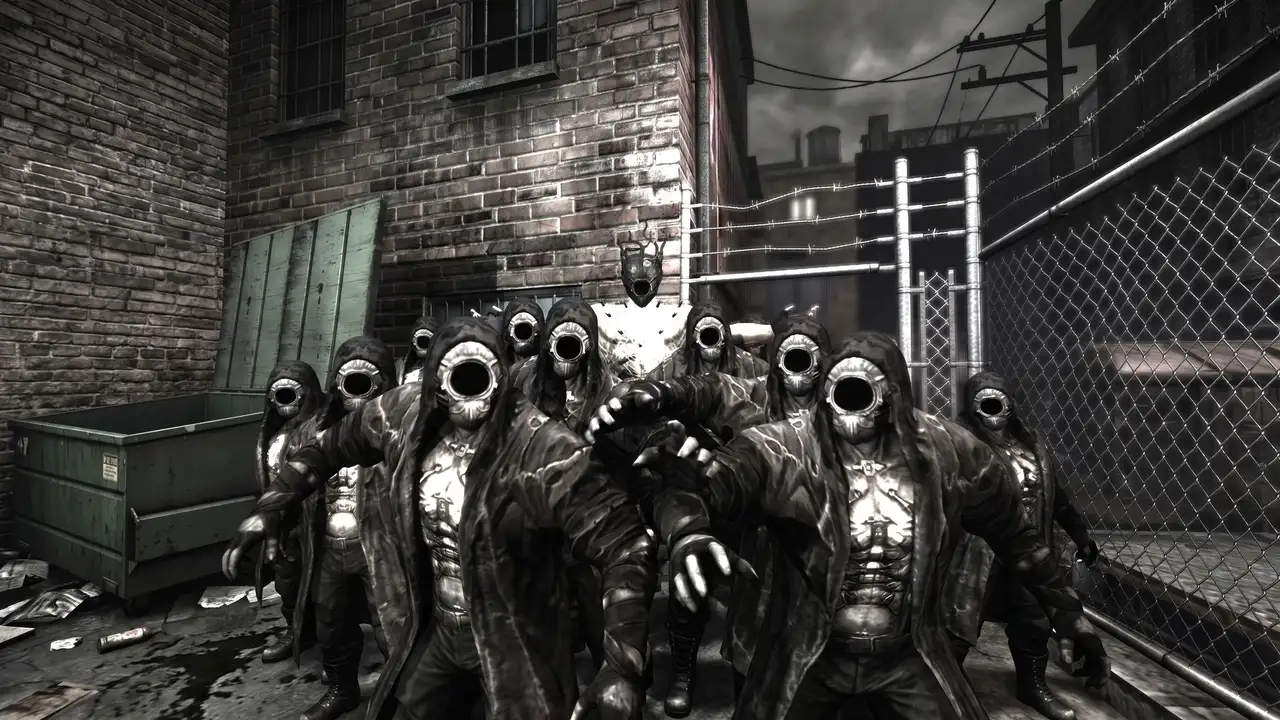
Combat is serviceable but rough. Axe melee, a pistol, and a late one-shell shotgun form the arsenal, with quick-time events so forgiving they barely register as challenges. Enemies soak absurd bullet counts, get stuck on geometry, and the crows are nearly unhittable with any weapon, a frustration that dominates the crow-heavy final act. The werewolf fight hides its moon behind clouds and never explains the mechanic, and the roster (wolf, long-fingered woman, cyclops, dragon) at least shows ambition.
Optimisation causes real problems. Frame-rate collapses occur frequently enough to kill the player outright, with death by low frame rate recurring as an actual cause of failure rather than a joke. Audio cut-outs accompany the instability, and the general roughness extends to a UI that displays Xbox button prompts everywhere except the final choice, which shows PlayStation buttons. Nothing is polished, though most of the rough edges amuse more than they anger.
The sprint button is hidden so well that hours pass before it surfaces, and the early game’s trudging pace at default walk speed tests patience severely. Health regeneration does not exist, healing items are sparse, and the difficulty balances awkwardly between trivially easy quick-time events and spongy bullet bags. Once running is discovered, movement transforms, and the campaign’s back half flows far better than its opening.
Length sits around two and a half hours, brief enough to finish in one session and brief enough to justify caution at full price. The pacing suits the material; a longer campaign of this quality would overstay its welcome, and the compressed runtime keeps the jank from exhausting its entertainment value. Comparisons to other rough-around-the-edges regional horror efforts hold up, and this one earns its place among them through charm rather than craft.
Overall, this is a janky, short survival horror whose incoherent translation, spongy enemies, and frame drops are exactly what makes it worth playing, wrapped around a genuine Azerbaijani cultural primer. The crows, the hidden sprint, and the PlayStation prompts on an Xbox are the honest costs. As a so-bad-it’s-good evening, it succeeds completely; as a polished game, it never tries to be.