An ISF survey unit lands on a dog-faced Mars to find a missing colonel and uncovers a planet made of malice, where mirror spirits, prophecies of world rebirth and a colony’s collective psychic unraveling wait beneath a cutesy surface. Planet Laika is possibly one of the strangest games on the PlayStation, a Quintet joint that ditched the earnest creation-myth formula of Terranigma, Soul Blazer and Illusion of Gaia for pure psychological horror. The writing is shockingly dark for its exterior, surfacing buried-alive twins, child abuse, suicide and grooming organically through item-readings and dream sequences. An abusive stepfather, a mother’s suicide framed as mercy, an entomologist cooking a kitten: the audacity is the experience’s defining trait. It is easy to see why this never reached the West in its era.
The personality system is the engine and the best idea. The protagonist cannot act; puzzles gate on surfacing the right alter, with Earnest handling combat and strength, Spacer seeing hidden things as the faithful one, and Yolanda travelling mirrors on intuition. Three alters solving puzzles, fighting and reshaping NPC emotions gives every interaction a double question: what needs doing, and who needs to be present to do it. Conversation raises or lowers emotion gauges per alter, and filling one to maximum consumes the protagonist entirely, a game-over condition that turns dialogue into resource management. The finale plays the three-phase boss gauntlet as each alter in turn, a structural payoff for the whole system. It remains praised right through the credits.
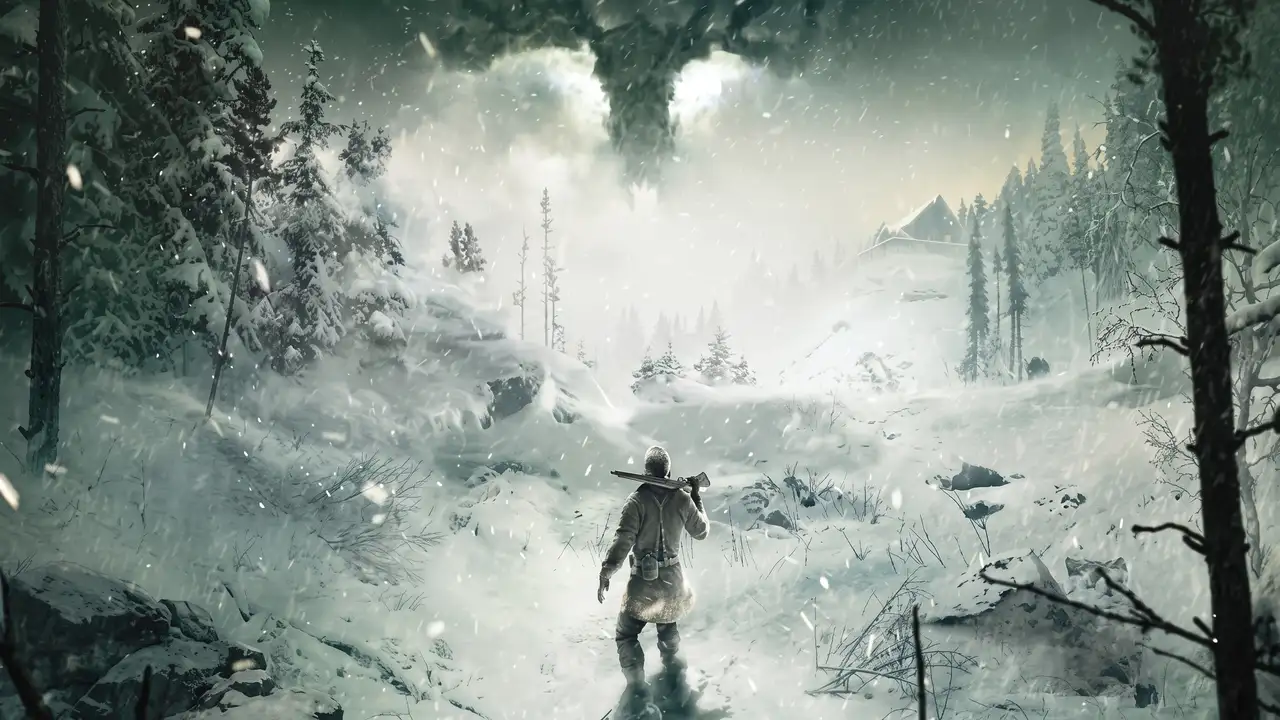
The string-driven narrative holds throughout, from Yolanda rescuing the Captain to the Amanda mirror-spirit reveal, with one scene echoing Final Fantasy 7’s iconic water-tower moment so closely it borders on homage. The late revelation that the protagonist’s ultimate persona is an aborted twin absorbed as a teratoma, exploited by a mother who claimed to love her children, recontextualises everything that came before. The ending merges personalities into a destined child amid falling snow, deliberately unresolved and accepted on its own terms. The medicine men’s secret power and Agatha’s crystal-ball dream divination thread the prophecies together. Bittersweet ambiguity closes a story that earns its opacity.
Presentation is remarkable for a 1999 disc: frequent FMVs throughout a game that fits in roughly 300 MB, with the soundtrack earning its own praise, particularly the bar theme and Yolanda’s song. Combat is a real-time bouncy-orb affair where orbs bounce, clash and cancel out, confounding at first and growing once boss orbs that reach the right side spit out full heals. The RPG label is questionable; combat is sparse and levelling is boss-only, making this functionally an adventure game with light RPG trappings. The tiny world of roughly twenty screens keeps exploration brisk rather than punishing. For a fan-translated Japanese-only curiosity, the package hangs together far better than obscurity suggests.
Progression is solved almost entirely by talking to everyone and rotating personalities, which reads as circuitous but is ultimately fair, and much of the friction turns out to be overthinking rather than unclear design. The personality-emotion gauges are opaque, though: the Spacer “faith” gate gives almost no hint which alter is required, and a game-over is the only teacher of the gauge rule. Earnest is nearly redundant, strictly required only once across the whole adventure, which leaves a third of the roster underused. Several areas feel like filler whose purpose never clarifies, including a dark room revisited repeatedly. The opacity is the cost of the ambition, and the exchange is not always even.
Japanese-style controls (circle to proceed, X to go back) trip up Western reflexes constantly, though the game’s origin makes the choice legible. The five Martian stones and five prophecies collected across nightmare worlds give the structure a clear spine, and completing all prophecies is a manageable ask inside the roughly ten-hour runtime. Agatha’s dream-divination sequences double as pacing checkpoints. The nightmare worlds themselves deliver the horror imagery the story needs. Every element serves the psychological core rather than padding it.
Overall, a boldly strange, disturbingly written PS1 adventure whose identity-swapping design and audacious storytelling outweigh its opacity and a nearly redundant third alter. The emotion-gauge vagueness, filler areas and Western-unfriendly controls demand patience, yet the dark script, frequent FMVs and structural payoff of the three-self finale make it a hidden gem worth finally meeting in English.