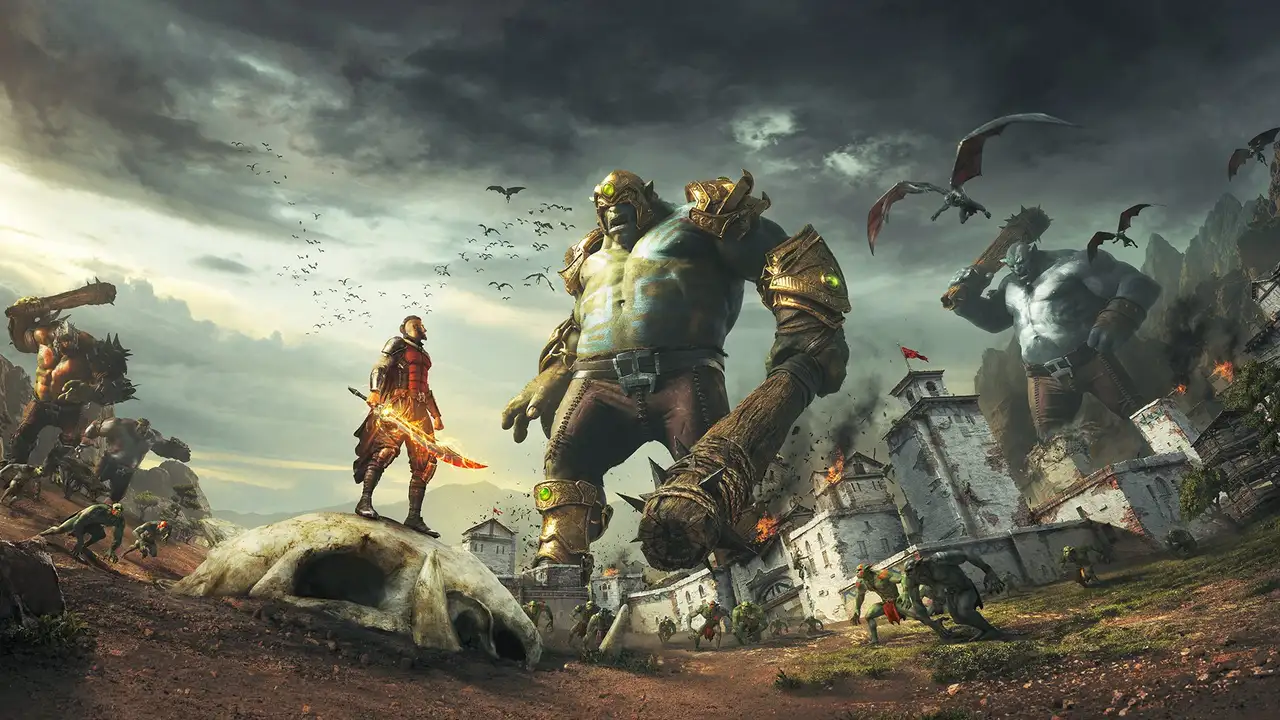
Couriers chase a witch through plague-stricken lands under wandering Colossi in a grim dark-fantasy Souls-like built from mobile origins. Pascal’s Wager: Definitive Edition layers dense environmental lore through notes, diaries and side characters, mining the Martians, the Holy Father’s bride-ritual horror in Adamina and the Edith bell plot, and the scavenger-DLC reveal of a civilisation inside a dead leviathan is genuinely intriguing. The central plot frustrates at its scale, and the entire story reads as one long pursuit, but the characterisation gives the chase stakes. It is impressive what the developers managed with the source material. The ideas consistently outpace the presentation.
The sanity/lunacy system is the signature mechanic: attacking or being hit drains sanity, and at zero the character turns lunatic, enemies regain health, and a timed shadow duel against a companion must be won to recover. The opinion arc travels from annoyance (bosses healing when lunacy triggers near death) to genuine appreciation, because no other Souls-like makes the player’s own aggression the enemy. Boss fights gain a tension the format rarely produces, with a slipping grip punishing overextension rather than mere mistakes. The system turns every extended engagement into a resource decision. It is really unique, and it is the hook that justifies the whole package.
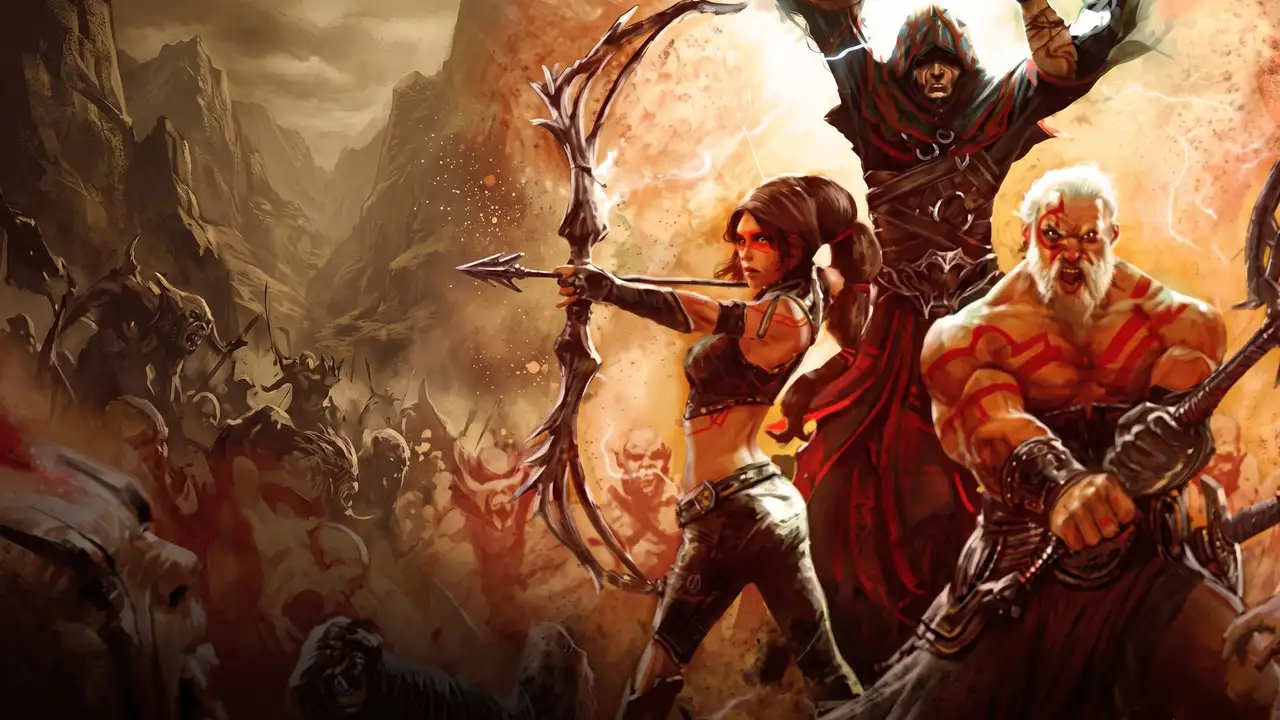
The five-character roster is the other genuine highlight: Terren the balanced swordsman, Viola the fast ranged executioner, Benita the risky self-damaging berserker, Norwood the slow coffin-wielding tank, and the DLC’s Gerald, a blisteringly fast duelist who transforms traversal entirely. Switching outside combat means death is never the end, and the distinct playstyles keep the linear campaign engaged. Viola emerges as the standout companion, and the late plot event that permanently removes two companions gives the roster real consequences. Trophies (charm equivalents) are found, crafted, enhanced and reforged for random bonuses. Lost Valleys offer optional loot gauntlets for those who want more.
Voice acting and subtitles are the biggest failures: the subtitles almost never match the dialogue, and the performances feel read off a page, bad in a genuinely bad way rather than a corny one. Navigation compounds the friction, with labyrinthine areas, almost no direction, and progress stumbled into by accident, most painfully during the DLC’s half-hour hidden-lever hunt. Performance runs acceptably for the main game and then degrades badly in the Tides of Oblivion DLC, an area that simply falls apart. Parrying is unreliable with no instant feedback to learn from, and the enemies parry better than the player. The missing sprint button, unusual for a Souls-like, compounds the slow traversal and backtracking.
Multi-enemy fights are poorly tuned compared to duels, with crowds overwhelming the dodge system, and item descriptions are frequently too vague to be useful: the Egg of the Bearer’s “mercy” buff never reveals what it does, and keys arrive with no obvious door. Attacking constantly drains sanity with no kill-based recovery, a small economy fix the game never makes. Death costs bone fragments with no corpse-run, though generous drops make losses painless and recovery quick. The lore delivery through notes and side characters is dense and rewarding even when the central narrative stalls. The late betrayal lands despite being half-anticipated.
The Tides of Oblivion DLC is far bigger than expected, four to five hours including the deep Dark Mist area and the treasury bonus fight, a positive in content despite its confusing layout and performance problems. The sanity economy’s best-kept secret is the shadow-duel recovery mechanic, which turns a death spiral into a comeback window. The finale’s structural twist, a companion shooting an antagonist on another’s order, followed by a forced-drink ending, surprises in execution even where the betrayal itself was predictable. The dark gothic worldbuilding and the Colossi skyline give the chase a visual identity. Roughly thirteen hours across main game and DLC is a fair ask for the price.
Overall, a rough-voiced but mechanically distinctive Souls-like whose sanity-as-resource design and five-character roster earn a recommendation despite voice acting, labyrinthine navigation and DLC performance that lag well behind its ideas. The shadow-duel recovery loop and Gerald’s traversal speed redeem the friction, and the dense lore rewards those who read every note.