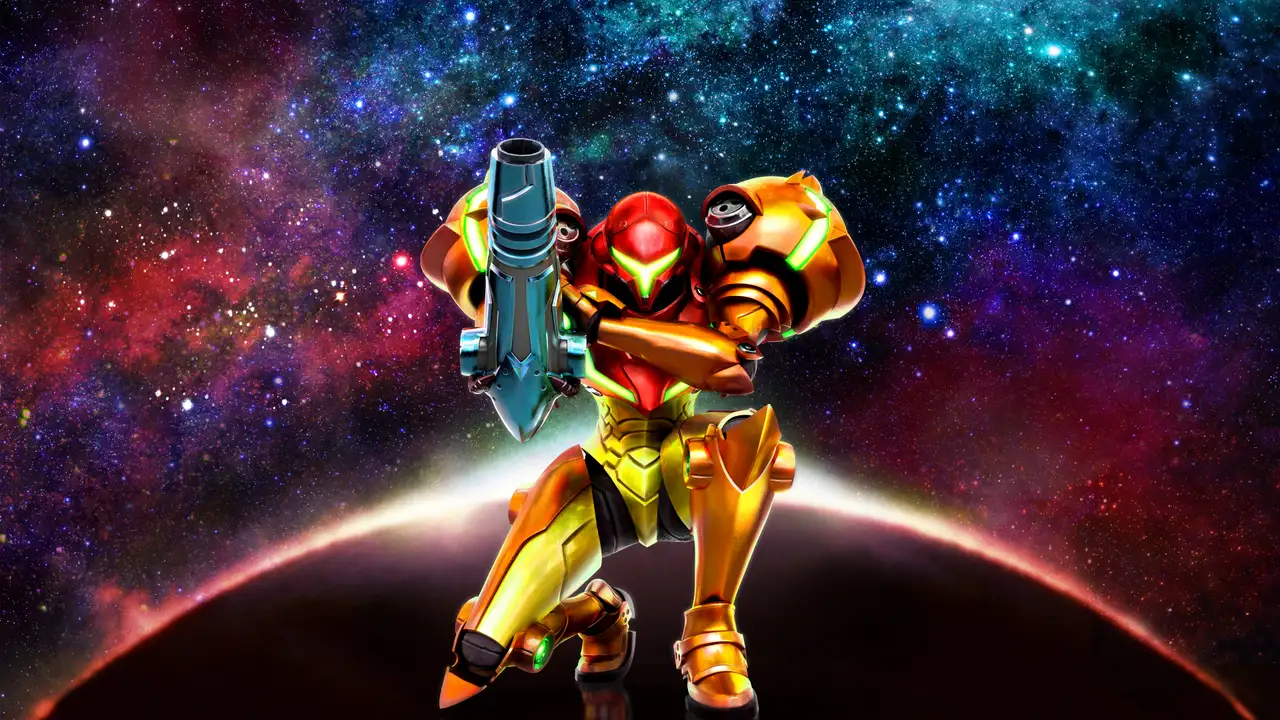
A remake of the SR388 extermination mission sends the bounty hunter through eight escalating areas to hunt the Metroid hive down, and Metroid: Samus Returns rebuilds that grim assignment with modern systems while keeping the original’s oppressive atmosphere intact. Toxic water levels lower as the hive count falls, gating progress in a structure that remains one of the series’ most distinctive. The retelling gives the baby Metroid a more important role than the original managed, and the series order bookends cleanly into the entries that follow. Music earns specific praise, though one recycled cavern theme from a previous planet reads strangely on SR388’s surface. As a faithful remake with meaningful additions, the foundation holds.
The melee counter and parry system is the transformative addition, arguably one of the best mechanics the 2D series has ever layered onto its exploration. Parrying enemies rewards aggression and timing in equal measure, turning encounters that were once shoot-and-retreat into readable duels. It defines this version against both the original and the fan remake that preceded it. When the counter lands correctly, the combat sings in a way classic Metroid never attempted. The mechanic alone justifies the remake’s existence.
Aeion abilities power the exploration layer, with Scan Pulse revealing map secrets without needing a guide, Phase Drift and Lightning Armour adding tactical depth, and teleport fast travel smoothing the backtracking. The 100% completion percentage counts map exploration alongside pickups, and secret-hunting becomes genuinely satisfying rather than exhausting. Power Bomb propulsion, once discovered, becomes the favourite cleanup tool for finding every last hidden item. Screw Attack transforms the late game into a power fantasy, granting near-invincibility that doubles as health farming through enemy contact. The endgame sweep is among the most satisfying the series offers.
Difficulty runs genuinely high. Deaths come easily and everything hits incredibly hard, with the first Gamma Metroid evolution a humbling wall that punishes forgetting Lightning Armour exists. The hunt-loop structure of Metroid-hunt, area unlock and cleanup sweep keeps momentum despite the punishment. Puzzles occasionally stump to the point of outside consultation, and the middle pacing wobbles. A hard game without apology, and the challenge is largely fair even at its meanest.
Boss design splits sharply. The Diggernaut is a visually striking multi-phase setpiece undermined by unclear mechanics and seemingly random attack patterns, with the fight refusing required attacks long enough to breed suspicion of hidden RNG. The final Ridley encounter drags across several phases, and a post-death loadout reset to weak missiles compounds the frustration cruelly. Touchscreen-reliant super-missile switching irritates throughout, worst on emulator where the touch layer fights the controls. Missile switching deserves a button, not a screen. These bosses demand patience the rest of the game never requires.
Three emulator crashes punctured the campaign, one wiping a three-hour session and another striking right after the final boss fell, though the instability belongs to the emulator rather than the game. Roughly ten and a half in-game hours cover a full completion. The high difficulty means frequent deaths, yet the experience stays enjoyable throughout, with the parry system keeping even failures engaging. The remake respects its source while respecting modern sensibilities. Between crashes, the game itself never wobbles.
Overall, Metroid: Samus Returns is a hard but deeply rewarding 2D Metroid remake whose parry combat, Scan Pulse exploration and Screw Attack power fantasy shine through despite opaque boss mechanics, touchscreen weapon switching and a drawn-out finale. The official take on SR388 honours the original while adding the series’ best new combat layer. A rather difficult game, and a thoroughly enjoyable one.