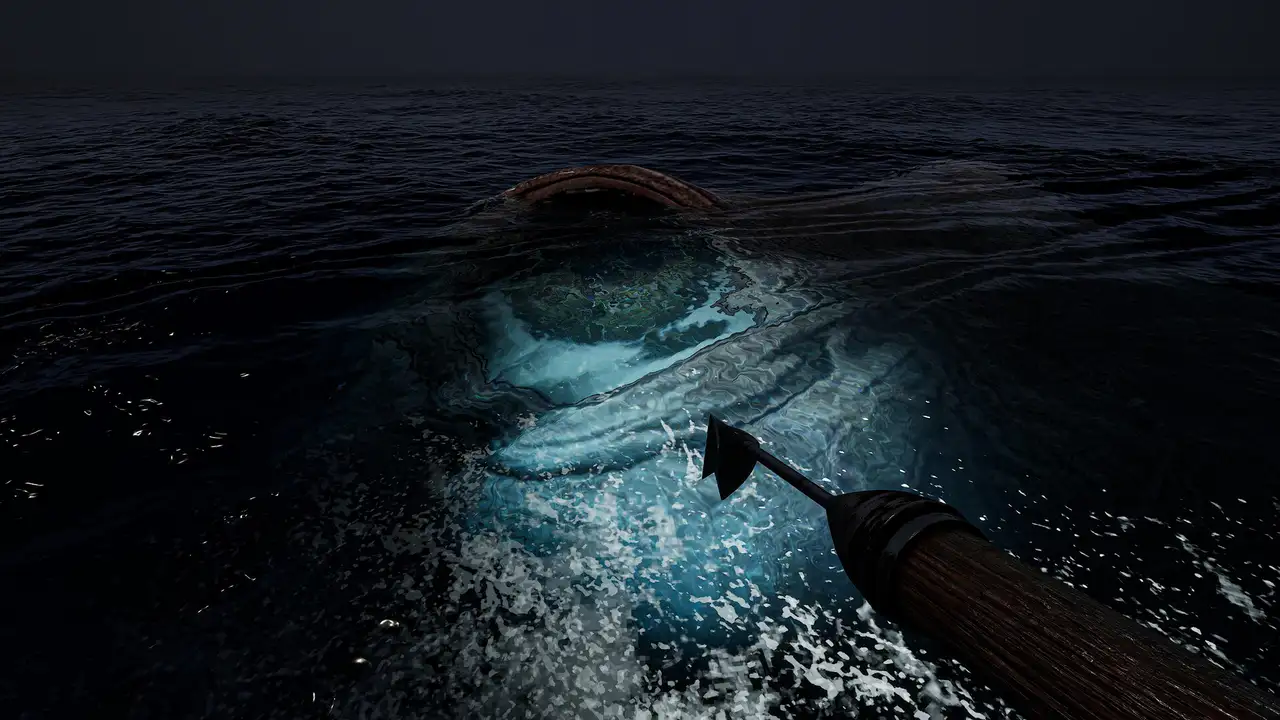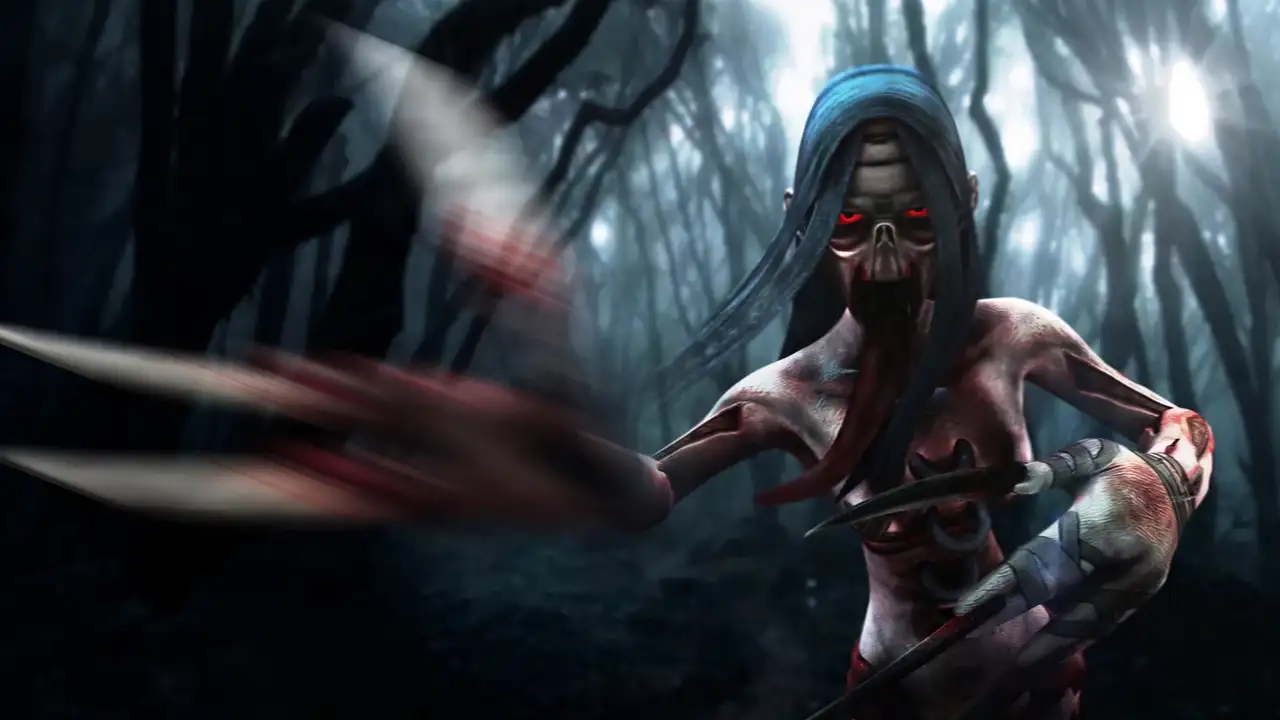
Waking after surgery inside a treatment center, with postcards and fragmentary family visions punctuating confinement, sets a paranoid baseline before the walls start alternating. Parallel realities flip the same corridors between sterile order and hellish decay, so navigation doubles as dread management. Prison blocks give way to a village, mines and a lighthouse, keeping the palette in rotation rather than dwelling in single-tone darkness. Storytelling arrives through notes, postcards and cutscenes, favouring environmental suggestion over exposition dumps. An otherworldly serpent entity presses against the seams of the plane, giving the shifts a hostile cause without explaining the mechanism away.
Melee and gunplay alternate across compact arenas, with a shiv and sledgehammer covering close work while a revolver, shotgun, assault rifle and nail gun handle ranged threats. Most enemies attack with slow, avoidable patterns, so encounters test positioning and ammo choice more than reflexes. Contact-damage leeches punish careless footing, and darkness forces light discipline during longer sightlines. Wall-rebound melee misses add an awkward geometry tax to swings in tight passages. Threats die quickly and pressure rarely compounds, which keeps momentum brisk at the cost of tension.
Relic puzzles gate the second half, with dagger, spider, bat and scorpion mechanisms demanding backtracking through previously cleared wards. Combination locks add a second puzzle register based on observation rather than combat. Acid pools block key routes until an acid neutralizer pickup reframes the hazard as a doorway, though the pickup itself sits easy to miss off the main line. Shadow figures drag victims into sealed combat arenas, converting exploration beats into timed brawls. Save points restore health, encouraging pushes between anchors rather than hoarding supplies.
Flashlight management shapes encounter pacing across mines and lighthouse interiors, where beam direction decides which shapes resolve first. Ammunition stays generous enough for stockpiling, with the shotgun becoming a default answer once shells accumulate. An unlimited-ammo rebound relic rewards angle play off hard surfaces, adding trick-shot texture to otherwise direct firefights. A craftable aerosol flamethrower answers undying plant enemies that shrug off ballistics, giving fire a specific tactical niche. Darkness remains the primary difficulty lever, since enemy aggression seldom spikes.
Prison corridors teach the loop of light, strike and loot, while village streets open sightlines for rifle use. Mines compress movement into low tunnels where the sledgehammer and shiv regain relevance. The lighthouse verticalises the search, stacking compact floors around a central climb. A crypt section deepens the occult register through doll iconography and confined stonework. Hell-world overlays re-skin familiar rooms with organic growths and altered enemy placement, so returns feel hostile rather than repeated.
Friction concentrates in systems rather than scares. Inventory allows no dropping, so full pockets stall pickups at awkward moments and force wasteful use or backtracking to spend supplies. Movement stays slow with no sprint option, which stretches return trips across village and mine routes. A constant crosshair clutters the view and washes out against flashlight glare, though adjustment dulls the irritation. Melee swings rebound off walls instead of connecting, punishing corner fights through no fault of aim. Enemy easiness undercuts the otherwise strong atmosphere, since slow wind-up attacks rarely threaten a stocked arsenal.
Backtracking structure ties the pieces together, with relic gates and combination locks converting earlier maps into shortcut lattices. The no-respawn calm between arena pulls lets exploration breathe, favouring thorough searches for relics and locks. Notes and postcards reward that thoroughness with fragmentary context rather than power. Dual-reality flips keep even familiar halls uncertain, since the world state can invert between visits. Crafting the flamethrower and unlocking the rebound relic mark the two major power pivots, each reopening previously stubborn obstacles.
Overall, the remaster succeeds by hiding portable origins behind clean presentation and confident parallel-world design. Relic puzzles, arena interruptions and light discipline give compact maps a dense rhythm despite gentle opposition. Inventory and movement friction irritate, but the atmosphere and structure carry the descent from ward to lighthouse with conviction.