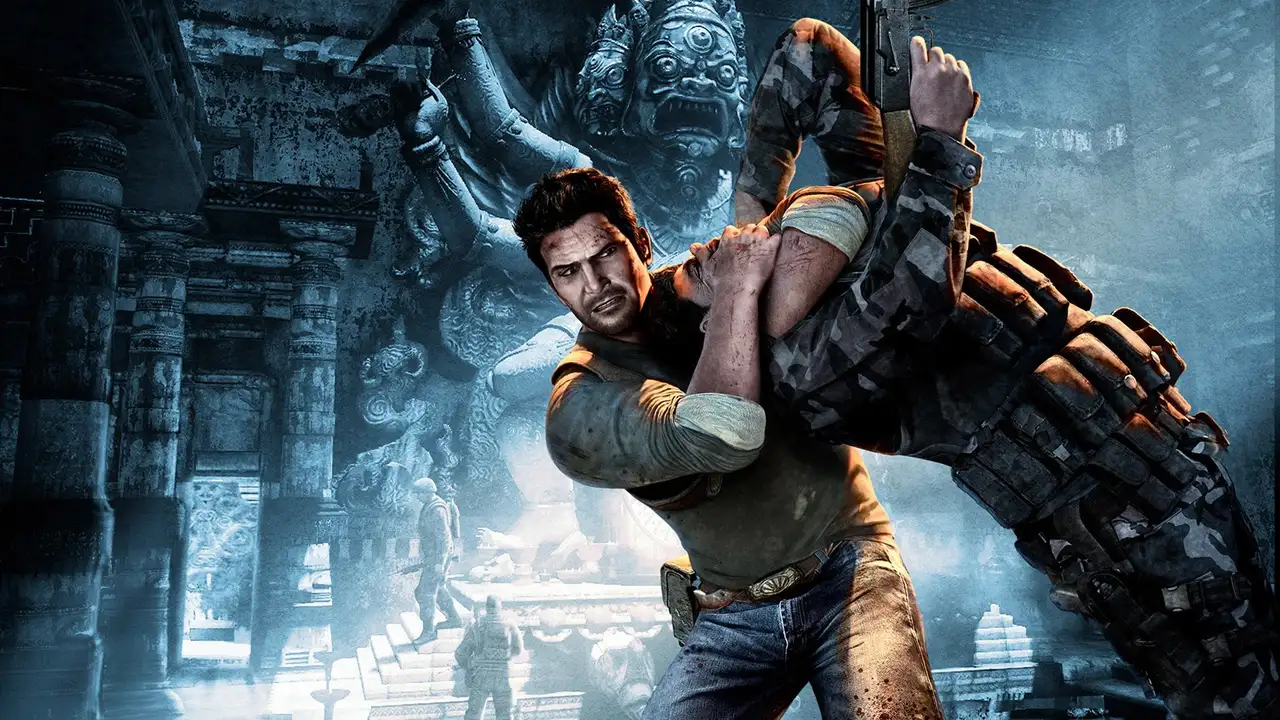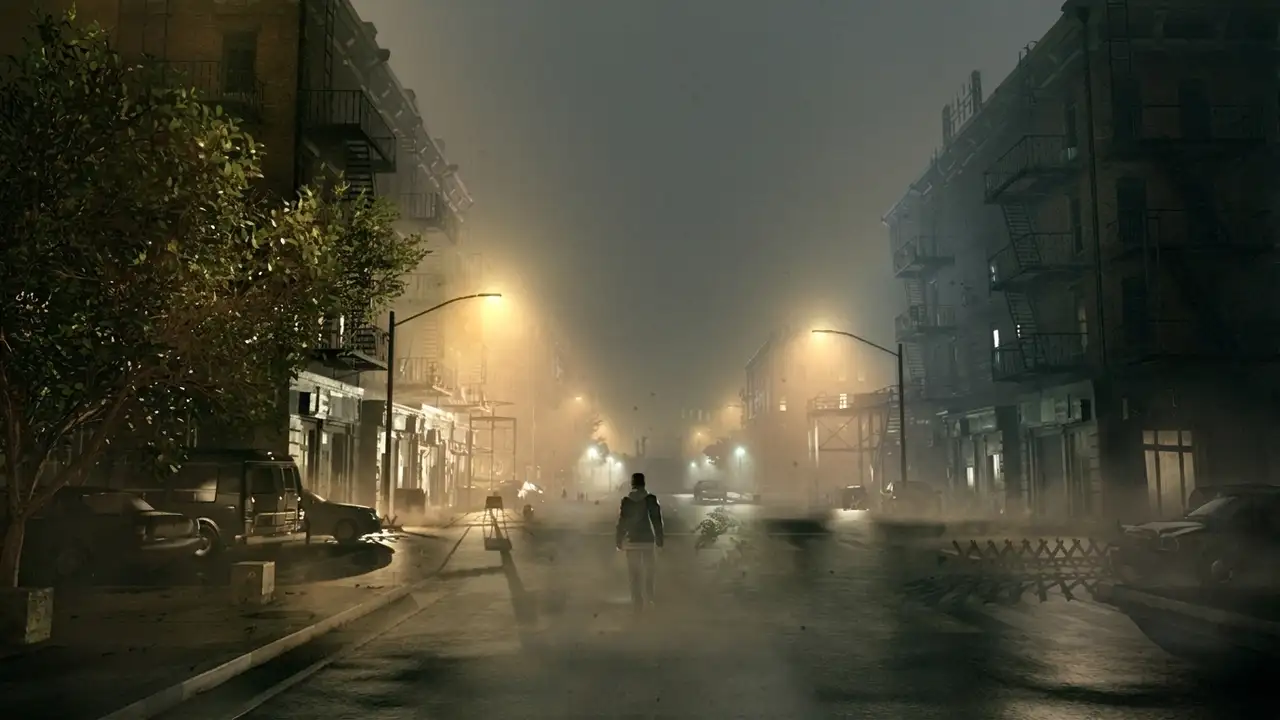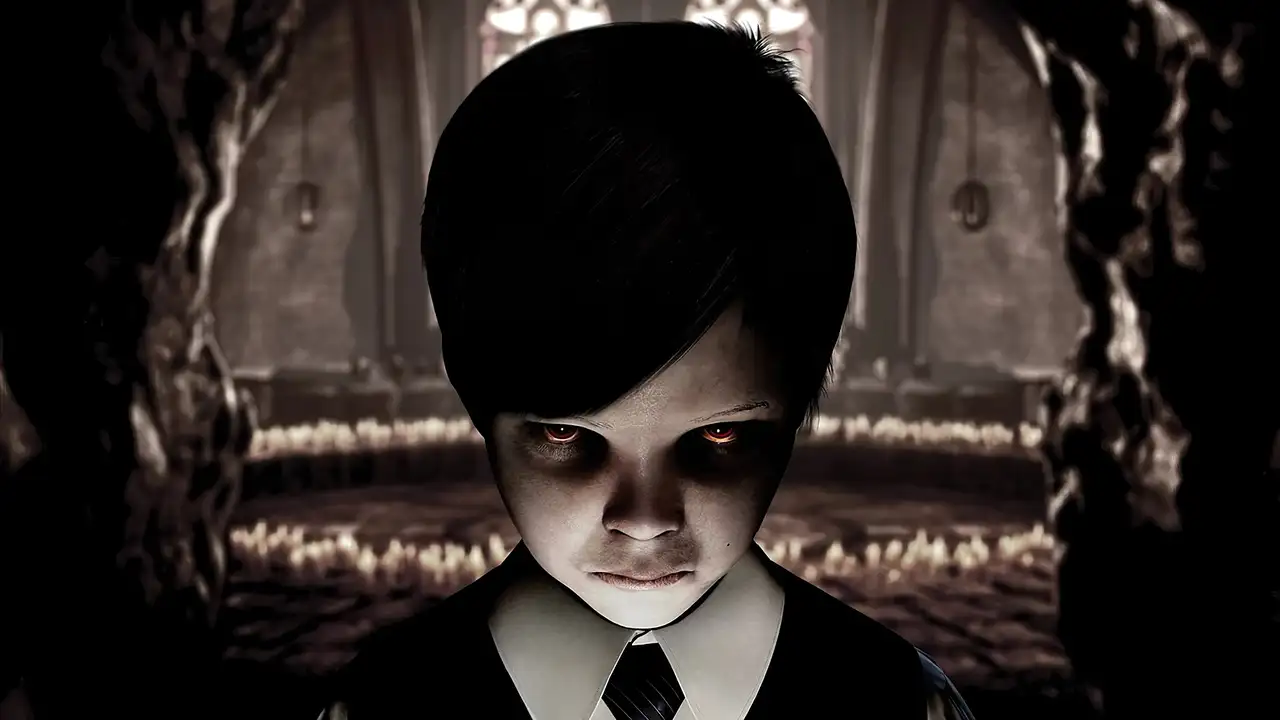
A manor in June 1972 holds a six-year-old with unblinking stares and a horn-shadow patron urging offerings. Dante Manor provides the stage across late 1972 into April 1973, with a senator father figure fronting respectability while whispered paternity points toward Lucifer. A detective investigation threads through each impossible accident, reading notebooks and reframing household mishaps as patterned wrongdoing. Cut-scene narration keeps the register campy and occult, closer to soap melodrama than solemn dread. Curiosity carries the opening hours, as small chores mask careful observation of routines and placements.
Every victim becomes a distinct household-object construction, celebrated for variety above all else. Freezer seals trap warmth out, oven gas waits for a timed spark, piano wire and lid counterweights turn music rooms into hazards, and saw benches punish routine workshop habits. Poison slips into bottles and glasses, icicles drop from eaves at the right shove, cameras and fuse boxes invite tampering, and whiskey bottles offer a quieter kitchen route. Nail-guns, garage cars and lawn mowers extend the catalogue into maintenance spaces, each requiring specific positioning and timing rather than repeated method. Momentum survives on that rotation, since no two arrangements share the same setup logic.
Dante Manor sprawls across wings, a cellar, a garage and a hidden ritual chamber, and navigation defines much of the difficulty. Corridors loop back on themselves, stairwells deposit travellers far from marked objectives, and drawer clutter slows searches for small but necessary implements. Night patrols and witness sightlines further punish wandering, forcing pauses behind doors and furniture until routes clear. A one-button map eases the worst disorientation, though reliance on it signals how often orientation fails unaided. Exploration still rewards persistence, as new wings open steadily and the hidden chamber reframes the scale of the household.
Telekinesis anchors the middle stretch, joined by mind control, memory erasure and limited fireballs under horn-shadow Lucifer tutorials. Telekinesis shifts objects at distance, mind control walks witnesses away from sensitive spots, memory erasure clears aftermath traces, and fireballs provide a blunt last resort with tight supply. Crosses block approach in consecrated areas, demanding alternate routing or prior removal through mundane means. Finicky targeting undercuts precision, with small prompts and fussy ranges turning simple placements into repeated attempts. Black-eye visuals during power use add unease at the cost of visual clarity, making crowded scenes harder to parse.
Chore completion and clue gathering structure each chapter around notebook hints and riddles. Inventory combining links found objects into usable rigs, from poisoned vessels to rewired fuses and primed gas lines. Peepholes allow observation of patrol timing, planted evidence misdirects suspicion after the fact, and camera sightlines dictate safe windows for tampering. Balcony railings, oven dials and workshop switches each respond to the same loop of observe, combine and trigger, keeping interaction grammar consistent. Sneaking between waypoints matters less as dexterity than as patience, since detection resets demand repetition of careful setup.
Frame-rate collapse around the washer sequence and the finale fire effects marks the sharpest technical fault, compounded by very loud music in keyed scenes. Trigger timing around patrols and item placement adds friction, particularly where finicky telekinesis meets narrow activation windows. Drawer searches compound the slowdown, stretching preparation between the stronger rigging payoffs. The priest finale gauntlet confuses sequencing, swapping methodical setup for hurried fireball exchanges under heavy effects load. Confusion there reads as structural rather than incidental, a late shift away from the deliberate pace established earlier.
Campy occult soap remains the tonal constant, carried by cut-scene narration, notebook flavour and the detective ritual of re-explaining each accident. Offerings accumulate meaning through Lucifer instruction beats, while the senator household maintains surface propriety against mounting incident counts. Peepholes and planted evidence sustain the fantasy of the untouchable child, always adjacent to discovery without collapse. Wing unlocking paces that fantasy well, saving the hidden chamber and garage depths for the back half. Even when systems wobble, the identity holds as a devil-child murder puzzle where domestic objects serve as weapons and investigation reframes each outcome.
Overall, bespoke household-object construction sustains the manor through maze-like stretches, with telekinesis, mind control and careful clue work supporting varied setups across freezer, stage, workshop and garage spaces. The finale trades method for noise, yet the catalogue of arrangements keeps the household worth working through to the close.