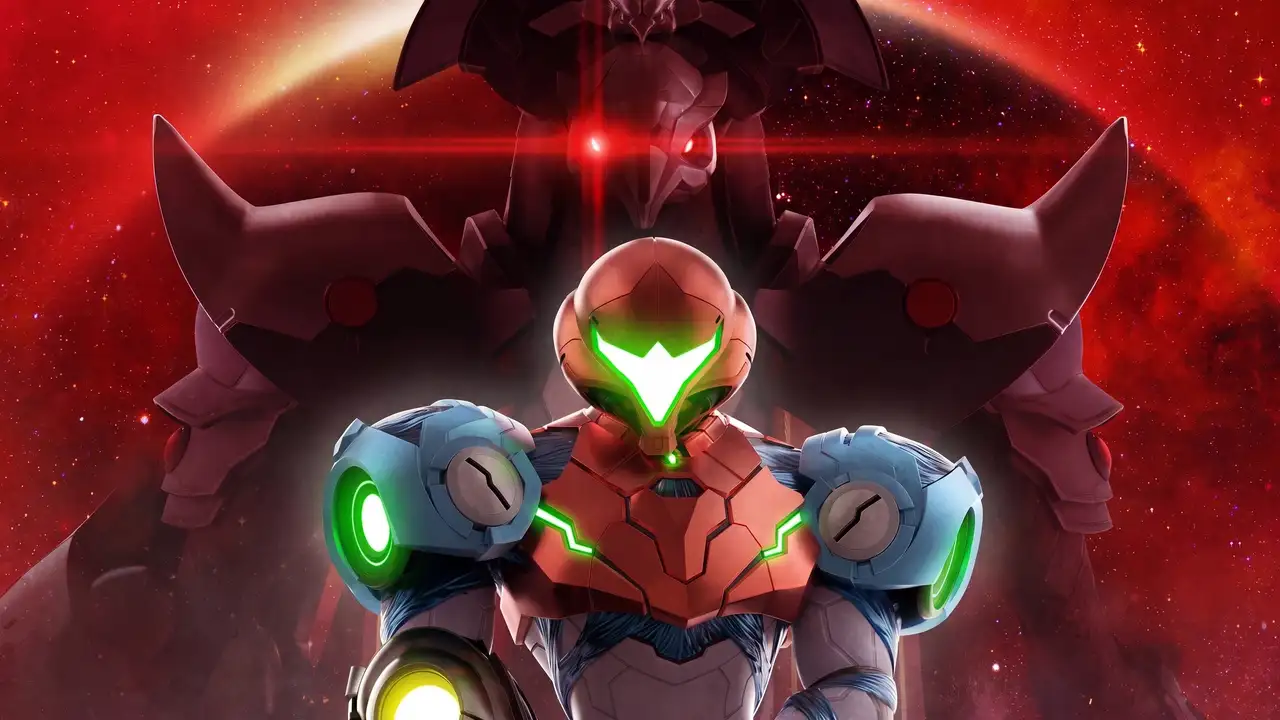
Sent alone to the planet ZDR and stripped of her abilities by a mysterious Chozo assailant, the bounty hunter at the centre of Metroid Dread walks into the most cinematic entry the 2D series has produced. The direction goes wholeheartedly for set-piece spectacle, cutscenes carry real weight, and one late sequence where the protagonist finally speaks lands with genuine force. The story leans on convenient setup at times, but the atmosphere compensates completely, and the dread in the title is earned rather than decorative. This is classic Metroid structure rebuilt with modern film language. The 2D lineage has never looked or felt this polished.
E.M.M.I. sections generate the game’s scariest and best moments, relentless pursuers turning exploration into pure terror. The zones do exactly what stealth horror should, producing jumps harder than anything the series has managed before. Killing one and claiming its Omega Cannon feels like a genuine triumph, a power spike that recontextualises the fear. The parry timing is inconsistent, though, with attacks arriving in the blink of an eye one moment and after a slight delay the next, and those bloody windows are deeply frustrating to learn. The terror works; the precision inputs sometimes sabotage it.
Progression follows the series’ best traditions with an unusually generous item economy. Missiles arrive from the start, a first for the franchise, and upgrade rewards come without boss-gate requirements, then Charge Beam, Phantom Cloak, Wide Beam, Speed Booster, Grapple Beam, Gravity Suit, Space Jump, Plasma and Wave Beams, Cross Bomb, Power Bombs and the Hyper Beam stack toward an unstoppable late game. Going out of the way to collect everything produces the series’ greatest power fantasy, an endgame sweep where nothing threatens anymore. The 100% chase elevates the whole structure, aided by the Pulse Radar making the final hunt achievable.
Shine-spark execution is the single biggest mechanical misstep. Speed boosting now requires an explicit button press rather than simply happening, and performing it on an analogue stick is miserable, precision input that a joystick was never built for. The map’s fog-of-war filling compounds the interface friction, obscuring completed regions in a way that makes thorough exploration harder to track than the older squared style. One-way shuttles and teleporters add backtracking groans during cleanup, with some items sitting far from any teleporter network. Elun’s single-item detour is the worst offender. None of it breaks the game, but all of it irritates.
Bosses hit disproportionately hard on normal difficulty, with several three-to-five-phase encounters draining full energy tanks in a few hits, more punishing than any previous entry in the series. The final encounter is a monster, a five-phase test of everything learned. The community’s difficulty reputation is overblown overall, though, since the game is no more challenging than any other entry once E.M.M.I. escapes are separated from genuine boss skill checks. The reputation stems from stealth panic rather than mechanical demands. Normal difficulty is a fair fight that simply refuses to hold back.
The parry system carried over from the previous 2D revival works well against standard enemies, feeding the combat a rhythm the bosses occasionally exploit. Cinematic presentation extends to the zones themselves, with the pursuit chases shot for maximum panic. The sixty-crash emulator war is a platform problem rather than a game problem, and the game itself remains stable in structure. Convenient narrative setup aside, the writing delivers two of the series’ best twists. The difficulty discourse undersells how approachable the core loop is.
Overall, Metroid Dread is an excellent, generous and occasionally infuriating series peak whose cinematic direction, E.M.M.I. terror and endgame power fantasy outweigh thumbstick shine-sparks, a fog-of-war map and multi-phase boss punishment. The 2D lineage’s high-water mark treats completion as its own reward. Speed-boosting with a joystick is the only real crime here, and even that cannot sink it.