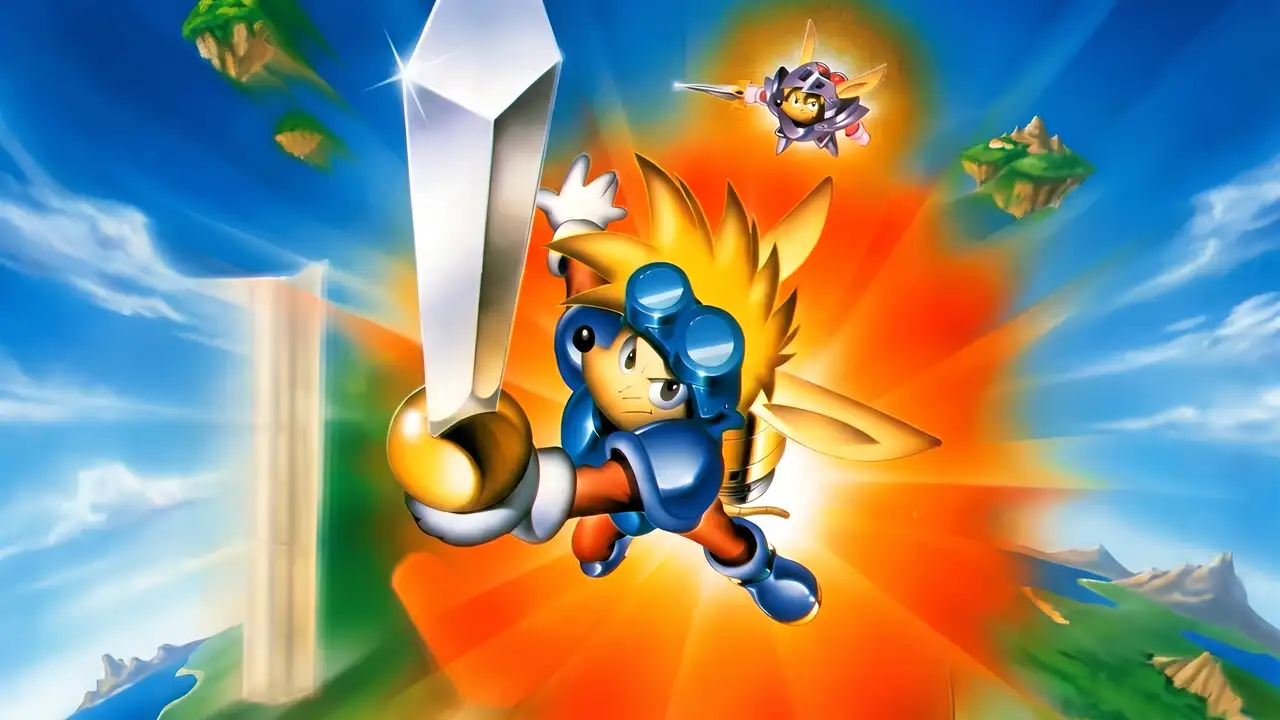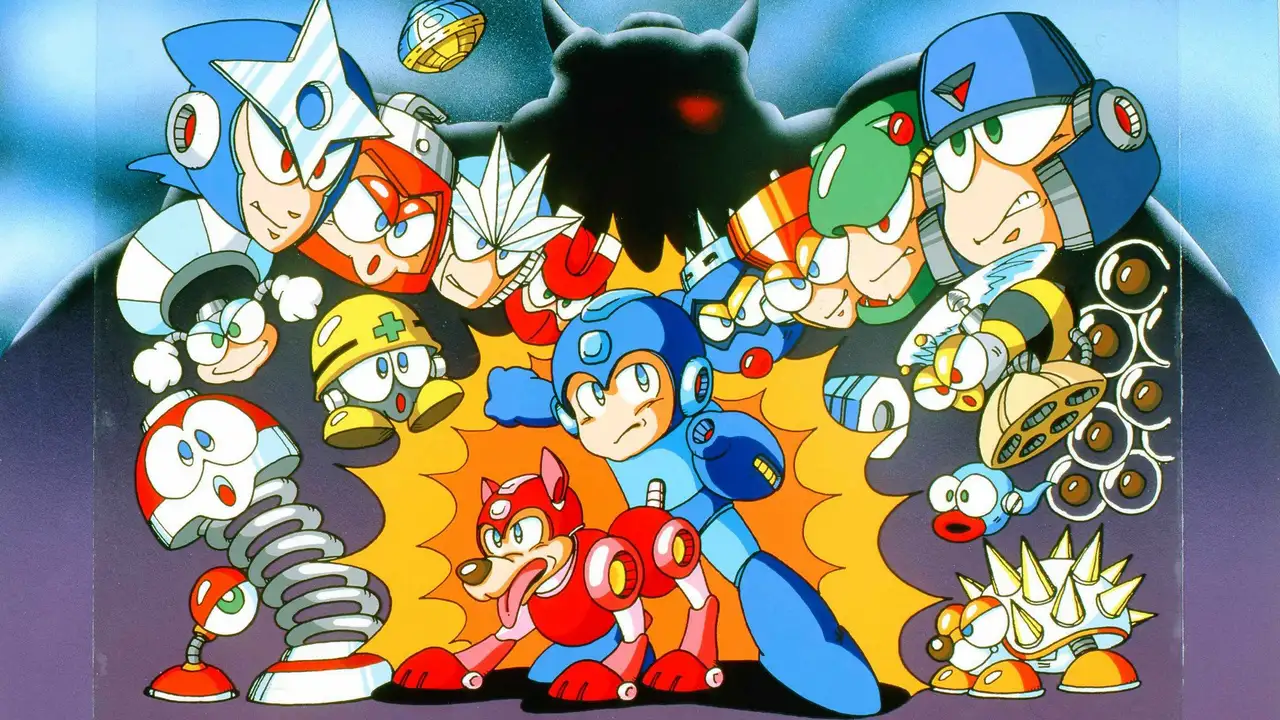
A mysterious whistle-blowing figure appears across the campaign, and the classic series grows its first real narrative mystery. Mega Man 3 introduces the slide, Rush and that enigmatic rival, tripling the formula’s toolkit in one entry. The structure doubles too: eight Robot Masters, then re-fought Doc Robot stages that technically bring the boss count to sixteen, followed by five fortress stages and a quiet epilogue. The scope step-up is the game’s defining fact, and the campaign plays like the series’ first genuine expansion rather than a retread.
The music belongs in the best-of conversation. The title theme alone earns praise before the first stage begins, and the quality holds through every Robot Master level and both fortresses. Anyone who defaulted to the second entry’s soundtrack discovers here that the third’s deserves equal standing, and the NES compositions rank with the series’ finest. The score carries stages that would otherwise read as routine, and the audio identity is the game’s second defining strength after its scope.
The slide changes everything about how the campaign plays. Rush’s three forms, Coil, Jet and Marine, add traversal options that skip tough rooms entirely, and the jet’s energy pickups matter in exactly the stages where the difficulty peaks. The weakness chain across the eight Robot Masters runs its usual satisfying loop, and the Doc Robot rematches double the weapon-content value. The silent, no-music character-list ending screen lands as a fittingly quiet close to the expanded campaign.
Health-pickup stinginess is the recurring complaint. The previous entry rewarded kills constantly, while this one barely drops anything, especially through the Doc Robot and Wily stages where the difficulty climbs. The shortage forces conservative weapon use and turns the rematches into attrition wars. The Doc Robot checkpoint design compounds the problem: dying after the first boss forces a full stage replay, and the checkpoint placement punishes exactly the encounters most likely to kill.
Top Spin is the roster’s worst weapon, consuming energy fast and apparently damaging the user as often as the target, though its safe usage may simply be undiscovered. The Gemini Laser is unreliable even as the intended tool, missing jumping enemies most of the time. The Wily cannon fight demands Hard Knuckle precision with no room to move, and it draws more frustration than anything else in the fortress. Spark Man’s stage spikes and Shadow Man’s darkness level provide the mid-game’s sharpest tests, leaning on instant-death design.
Rush Marine’s absence from the loadout forces a harder swim through Gemini Man’s water section, a self-inflicted but instructive gap that shows how much the traversal tools matter. The Yellow Devil clone fight and the Hard Knuckle-reliant Wily cannon draw the endgame’s frustration, and weapon-energy management becomes the real resource constraint through the rematches. A cheat-enabled insurance policy against the previous softlock turns out to be the difference-maker in exactly the stages that ended earlier attempts.
The NES technical quirks read as endearing rather than flawed. Slowdown appears in the busiest sections, and the hardware limits frame the presentation with period charm. The eyebrow-raise gag lands on cue in the finale, and the epilogue’s shrug-level reveal matters less than the mechanics it closes out. The game’s identity as the series’ first scope expansion holds from the title screen to the credits.
Overall, this is the series’ first content-dense entry, a satisfying conquest of the Doc Robot stages whose soundtrack belongs alongside the second entry’s in the best-of conversation. The stingy health economy and the checkpoint gaps punish the back half, but the slide, Rush and the doubled boss count make this the formula’s first genuine step up in scope.