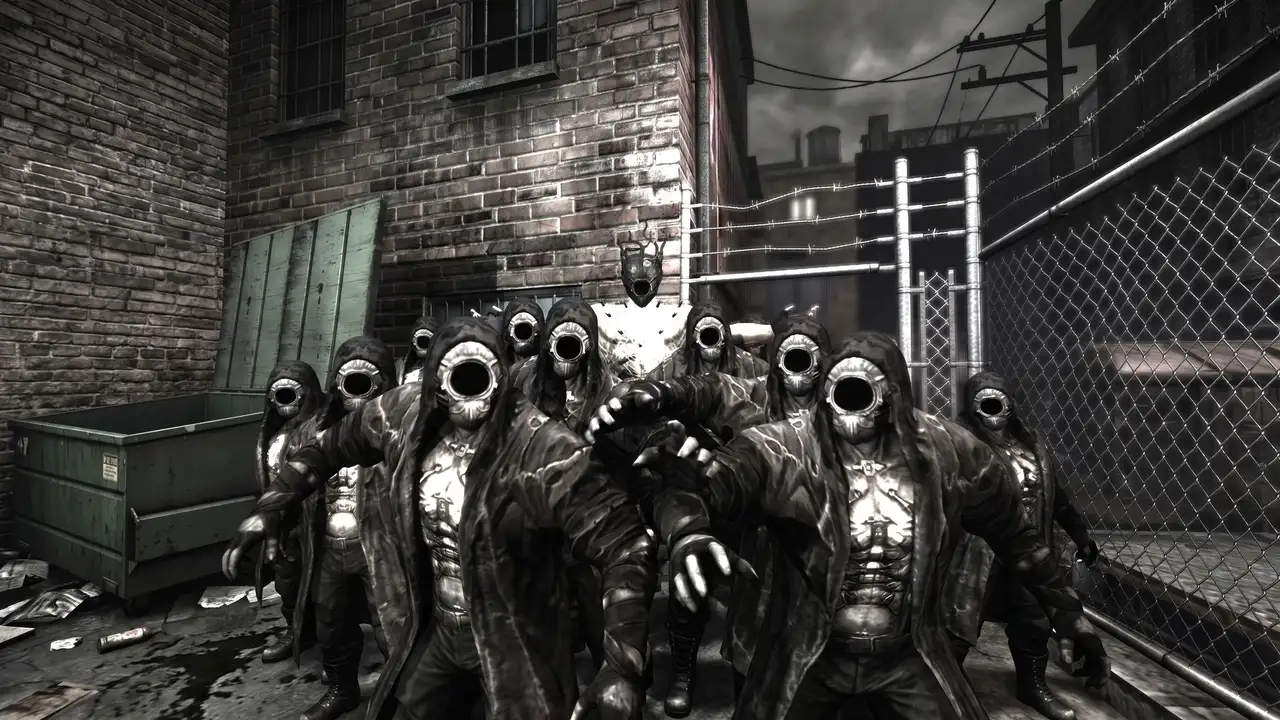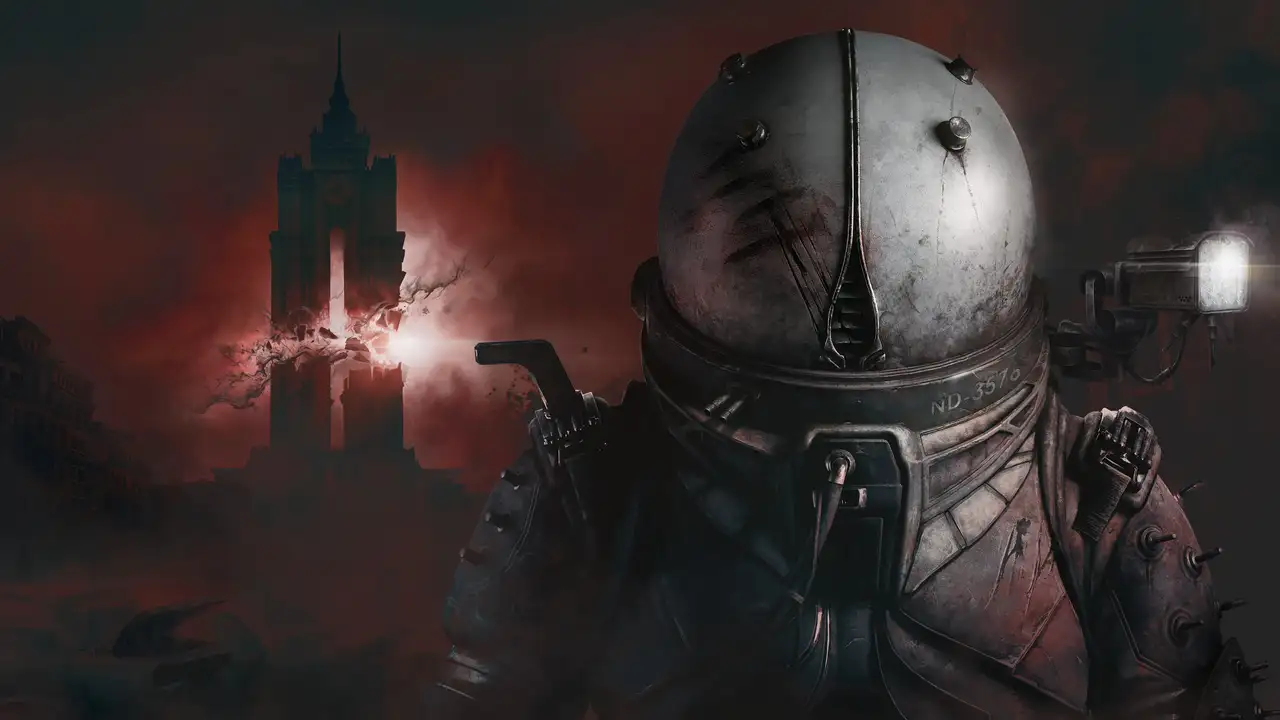
Milton Haven, 1997: a therapist explores tape-recorded sessions with patients whose minds he physically enters, and In Sound Mind builds an entire psychological horror around that premise. Each patient’s mental illness and exposure to Agent Rainbow, a government mind-chemical, shapes their tape’s world, and the collective-unconscious lore delivers a dense dump that rewards attention. A stalker antagonist who both taunts and occasionally helps gives the story an antagonist unlike any other in the genre. The atmosphere does heavy lifting from the first tape onward, and the structure keeps it fresh throughout. Presentation pulled attention in from the cover art alone, and the game justifies it.
Each patient tape is a fully unique level with its own location, monster and counter-mechanic, the game’s best idea by a distance. A supermarket houses a mirror-watcher, a lighthouse shelters a shade, a quarry traps a bull, and a park unleashes a flash, with each boss defeated by its own bespoke banishment method: a mirror shard, light, baiting, and a radio radar. The finale remixes all four into a gauntlet that tests everything learned. Tape variety sustains the campaign in a way few anthology structures manage, and even the weakest tape earns credit for committing to its gimmick. Tape 4’s park is the low point, a segment that drags despite the finale partially redeeming it.
The Living Tombstone’s character-specific vinyl songs describe each patient’s psychology, and they are genuinely good, unexpected enough to become collectibles worth hunting. Nearly every vinyl hides in the world, and each describes its sufferer in a way that deepens the lore. Original commissioned music tied to character writing is a rarity in the genre, and the quality holds up independent of the game around it. Sound design beyond the songs is strong as well, with creative scares punctuating the supermarket’s shelves early and setting the horror tone.
Combat is the crummiest part of an otherwise fantastic game. Enemies bob and jink, making headshots miserable, and the sensible response is to sprint past everything rather than fight. The final boss is really cool in concept but tedious in execution, a chaotic fight that exposes every combat weakness at once. Weapon assembly at workbenches (pistol, shotgun, flare gun) promises more gunplay than the enemy design rewards. The item-pickup cursor demands near-perfect aim, actively harmful during the finale where items must be grabbed while dodging.
Survival-horror staples fill the hub apartment building between tapes, with a winding flashlight, batteries, and hunger, health and stamina pills hidden around the building for stat upgrades. Twenty-four pills reward thorough exploration, and movement becomes genuinely fast by the end once the stats stack. Generous autosaves keep the tough finale fair, and the lack of a level-select makes one deep-in-tape-4 vinyl a stubborn omission for completionists. Hub backtracking and cryptic puzzles, including constellation codes and fuse hunts, pad the middle stretches. The talking cat adds levity the horror needs.
Agent Rainbow’s identity decodes from careful in-game wording, and the collective-unconscious reveal lands as genuinely surprising lore. The stalker’s habit of sometimes helping never stops being unsettling, and the ambiguity suits the psychological register. The finale asks the therapist to accept his fears, closing the therapy metaphor the tapes built. Roughly eleven hours covers the campaign, with the tape anthology structure pacing it well. As a debut take on anthology horror, the design ambition outweighs its combat flaws by a wide margin.
Overall, In Sound Mind is a psychological survival horror whose unique-per-tape level design, original character songs and surprising lore deliver a memorable descent through damaged minds, dragged only by bobbing-enemy combat and finicky item pickups. The structure is the star, and the anthology format suits the therapy premise perfectly. Everything outside the gunplay is fantastic, and that is enough to carry it.