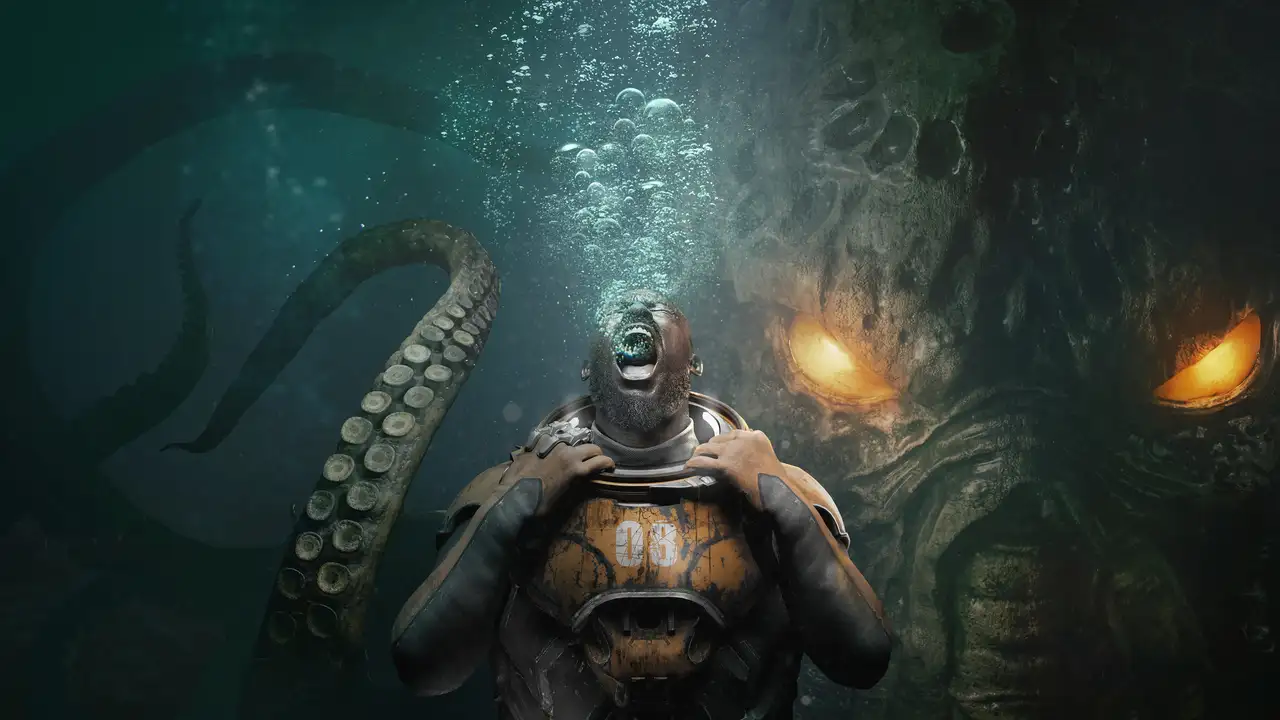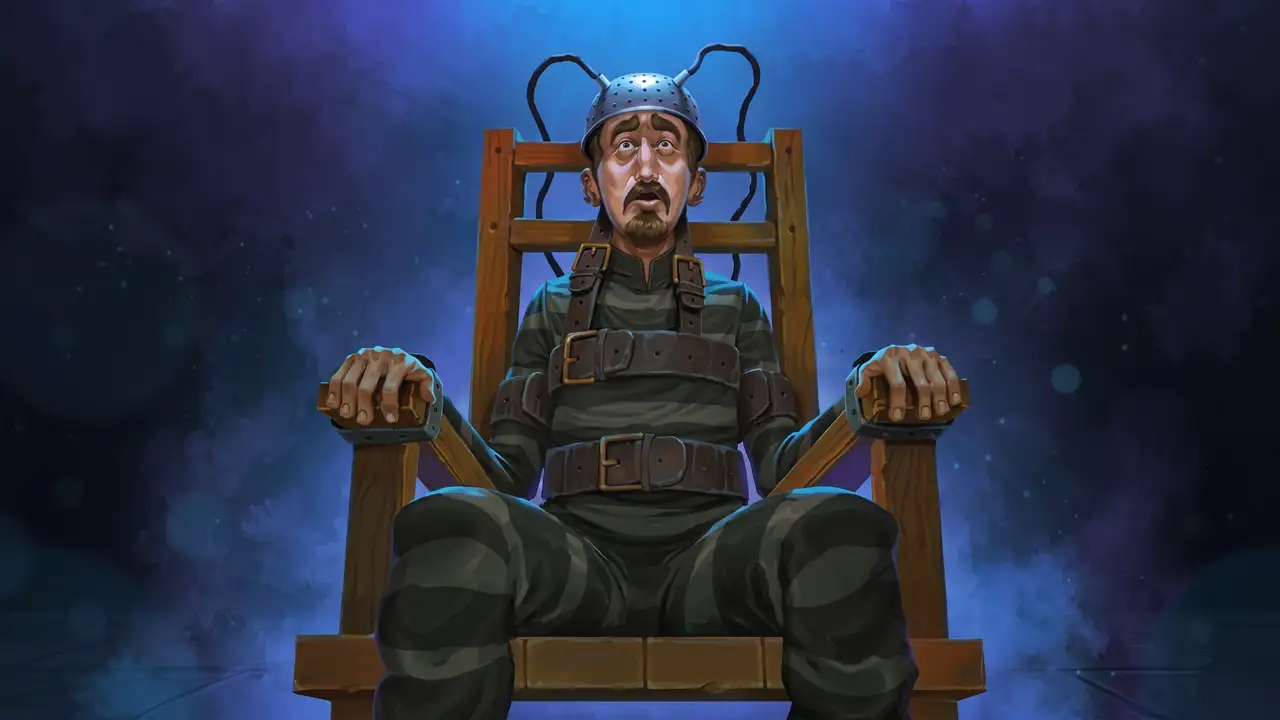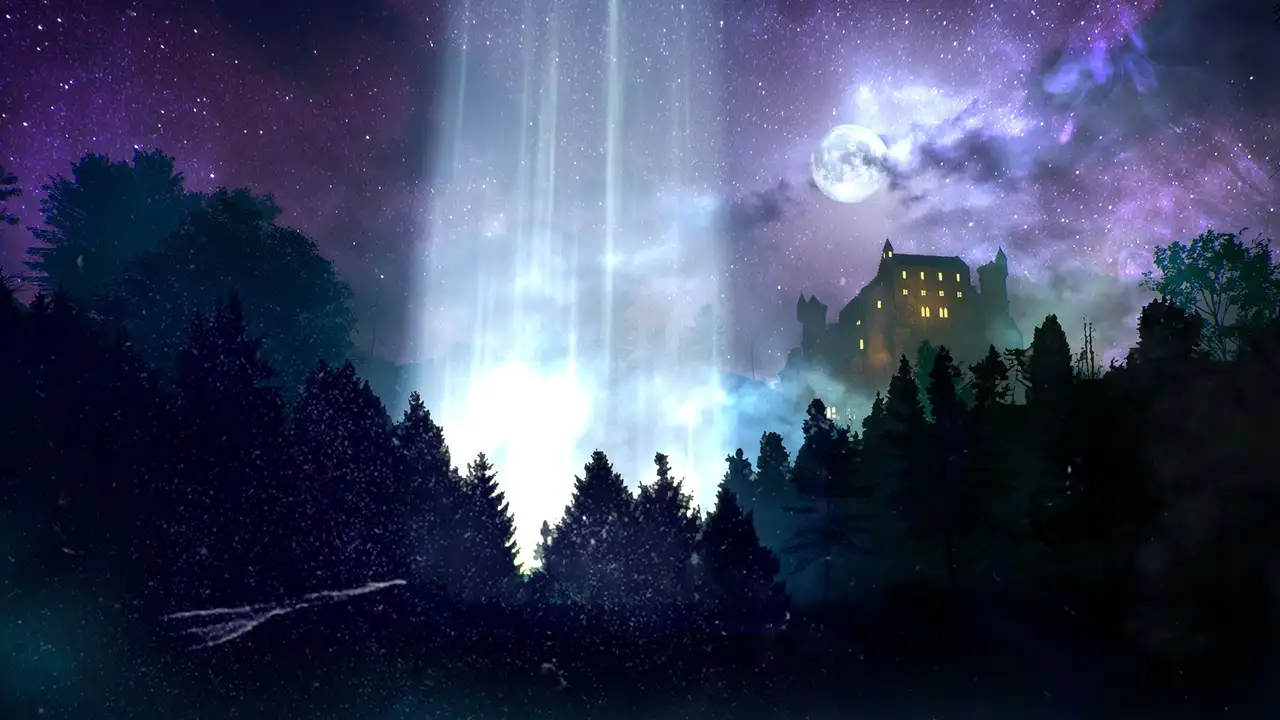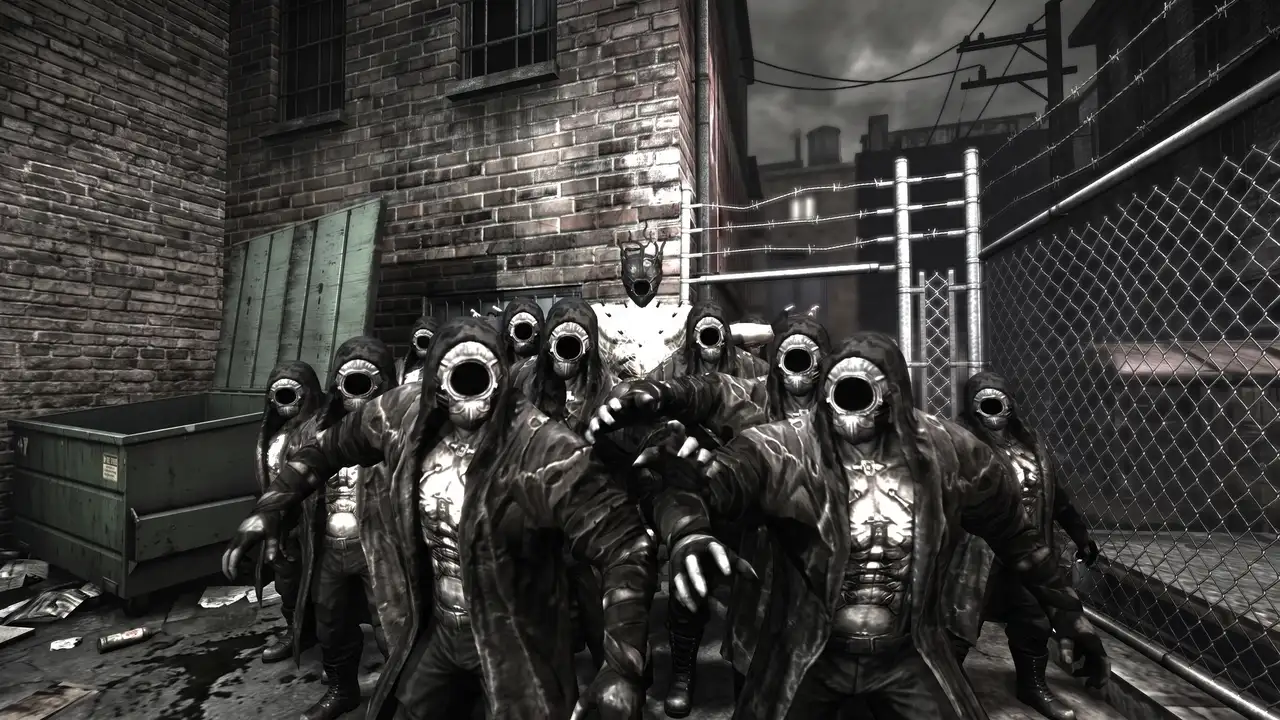
A detective returns to a collapsing simulated world to rescue his daughter, held as its core by two rival psychopaths, while the fate of his long-dead wife drives the emotional throughline. The premise blends a family-tragedy redemption arc with theatrical horror, and the flashback slides exploring guilt and drinking give the protagonist unusual depth for the genre. Two antagonists divide the campaign: an artist-serial-killer whose murders are staged as photographs, and a cult leader whose stronghold anchors the endgame. The horror tone is diluted by the open structure, but the Lost transformation lore, citizens unmade through memory breaks, and ghost-lady chases keep the atmosphere persistently unsettling. Few games blend freely explorable small-town districts with fully linear nightmare sequences this confidently.
The first open-ended area, Union’s residential district, is the highlight. Four to five hours of free exploration pack side content densely, and wandering its streets rewards curiosity more thoroughly than any linear stretch that follows. The villain arc that intersects it is the most memorable stretch of the game: City Hall exhibits demanding the viewer appreciate the art, a theater confrontation, and an Obscura fight guarded by a ninety-second stable-field-emitter defence. Murder staged as photography gives the antagonist a genuine aesthetic identity. The crimson-period line lands as the campaign’s signature.
Stealth has been overhauled and is dramatically better than the clunky predecessor system. The Predator skill, once mastered, enables efficient silent takedowns and makes stockpiled patience pay off, and crouch-based navigation feels fluid rather than fiddly. Detection quirks occasionally surface, enemies inexplicably aware of a hidden position, and some foes wear face protection that blocks headshots and complicates stealth kills, but the core loop works smoothly. The gas-mask Marrow crawl past an acid spitter showcases the system at its best.
The upgrade economy runs on green gel and weapon parts, and a critical-hit-focused pistol build transformed into spectacular one-shot kills by the endgame. Maxing health, stamina and most weapons yields an arsenal of three pistols, three shotguns, a sniper, an assault rifle, a flamethrower and a crossbow, and the last one barely justifies its slot, almost entirely unused compared with its predecessor. Side quests (rescuing Sykes, whose STEM-pod escape carries a grim survival rate, his server mission, and destroying the villain’s art installations to weaken him) fill the districts with purpose. The shooting-gallery mini-game dispenses locker keys and gel, and its shopkeeper’s endlessly repeated line becomes an enduring joke.
Difficulty is markedly friendlier than the original, generous ammo and abundant crafting materials tilting the balance from survival horror toward action shooter. That openness trades away tension deliberately, and the comparison is fair: the first game remains the better horror, while this one is better in nearly every other respect. The second half shrinks after the artist’s death, with the remaining chapters faster and largely barren of exploration, a structure that makes the campaign feel front-loaded. Flamethrower-wielding elite enemies in the endgame are the most hated fight, notorious ammo sinks that make the buzzsaw adversary seem almost welcome.
Technical quirks need managing. Animations and game speed are tied to frame rate, so disabling VSync fixes random choppiness, and an uncapped frame rate accelerates every character to absurd speed at around 220 FPS. The Marrow tunnels look like they should function as a fast-travel hub connecting the open areas and never do, a missed opportunity lamented to the very end. A terminal demanding two interactions to enter the tunnels and a weightless axe swing that whiffs at point-blank range round out the small inconveniences.
Overall, this is a confident, generously paced action-horror hybrid that improves on its predecessor in nearly every way except horror, its open first district, overhauled stealth, theatrical villain and satisfying endgame build outweighing diluted scares, ammo-sink elites and frame-rate-tied animation quirks. The story closes on a fairly final note. A sequel that trades dread for breadth and mostly gets the trade right.