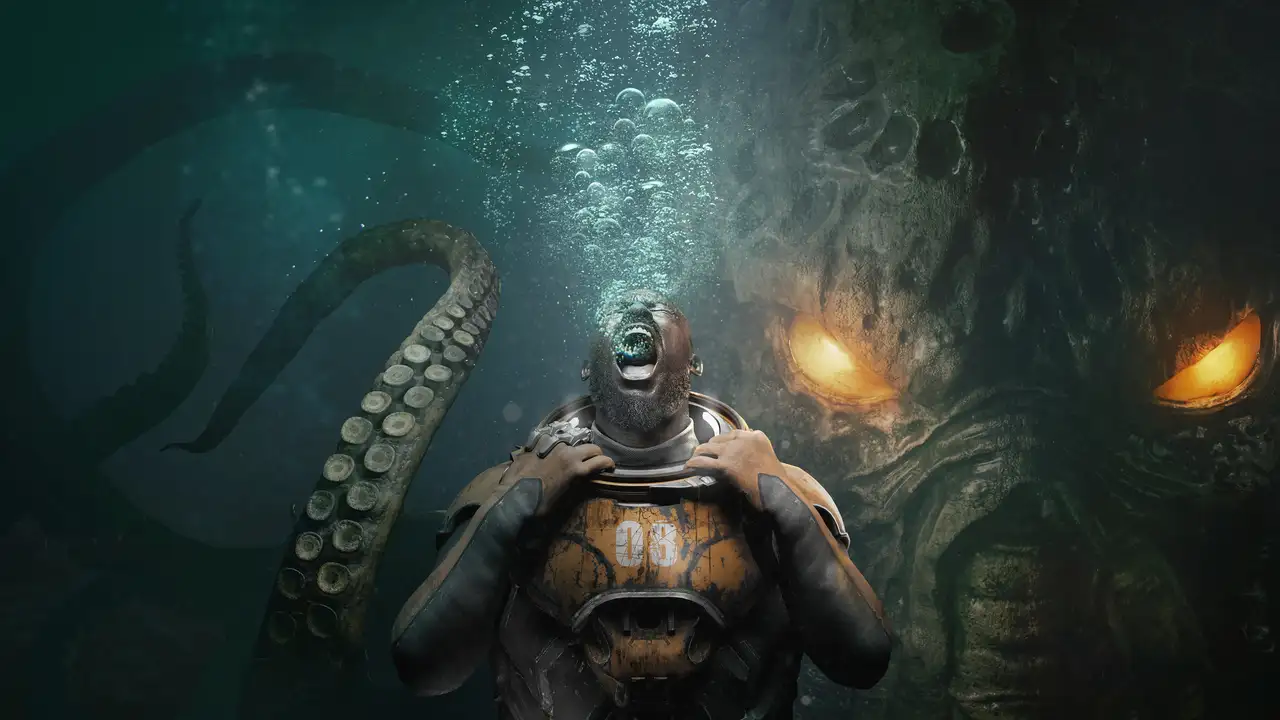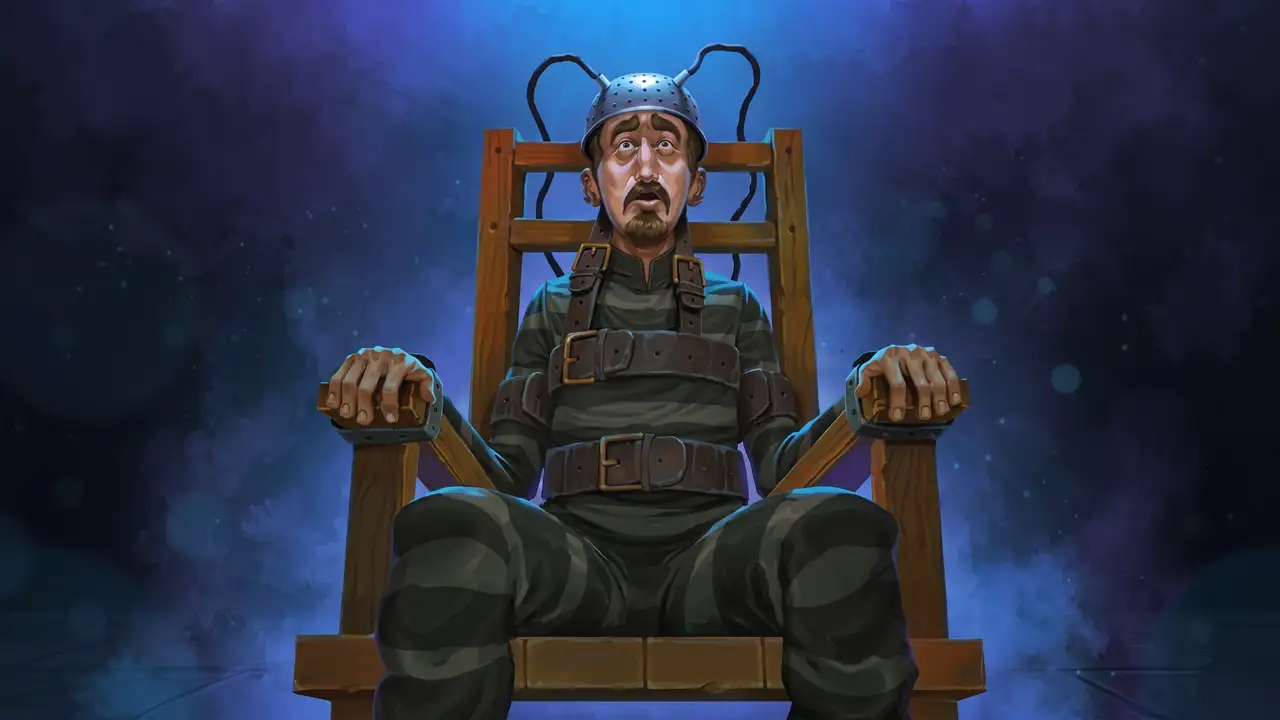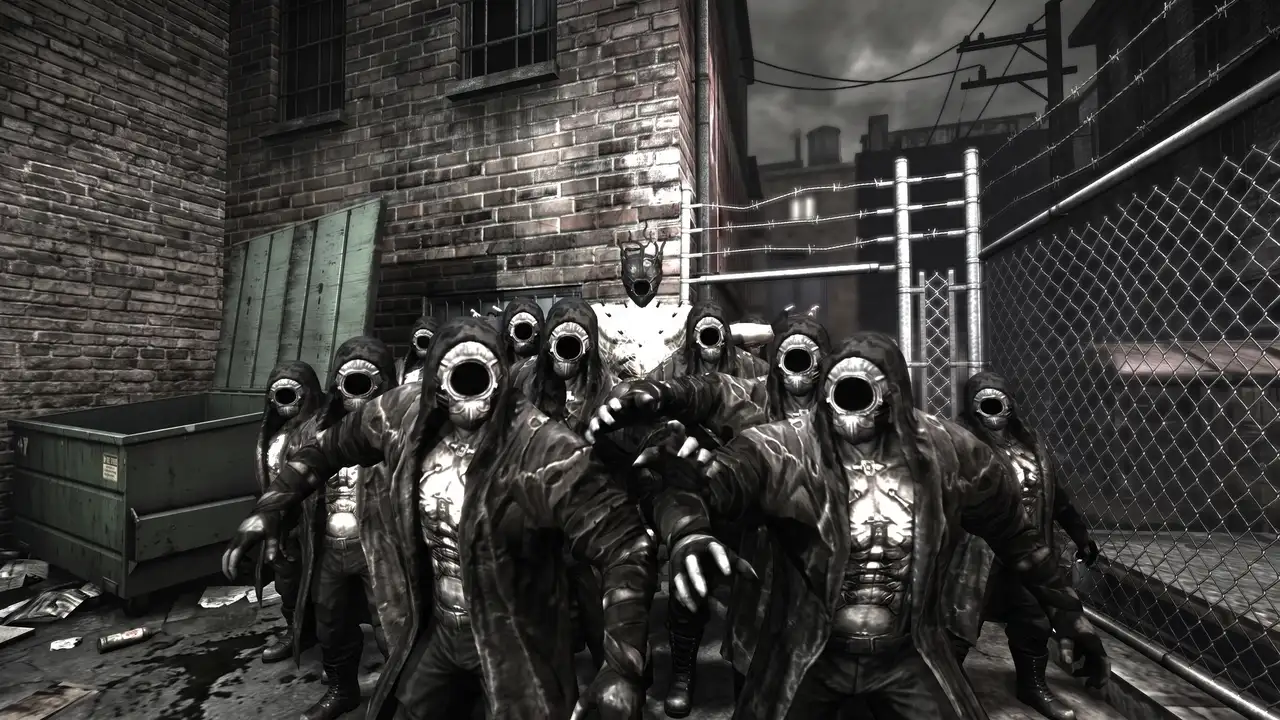
A retro-futurist Polish district under 1980s quarantine-era propaganda frames a body-horror outbreak, explored through the monotone android Traveler sent to recover a fallen predecessor. The setting is the atmosphere’s engine: children’s diaries, missing-person reports and rationing notices build the dread of a population being quietly purged, and the drip-feed of notes and collectible comic books sustains it. The New Dawn district itself is a character, its decayed brutalism lit like a nightmare of state television. Bloober Team’s craft has visibly matured, and the environmental storytelling here rivals anything in their catalogue. It is a game confident enough to let documentation do the horror.
The merge system is the signature threat. Enemies consume corpses mid-fight to become stronger, their visuals warping as they absorb, and the counterplay of interrupting a merge with a charge shot creates genuinely dynamic encounters. Corpse management becomes a tactical layer most survival horror never attempts: burn a body or save the fuel, watch a fallen enemy or shoot it down mid-morph. The tension of an interrupted merge, knocking an enemy off its feast with one well-placed shot, is the game’s best recurring thrill. Fire-as-stun proves more useful than fire-as-cleanup, which quietly relegates the torch-burning mechanic to an afterthought the design half-abandons.
Combat pacing alternates combat, puzzle and exploration in a satisfying rhythm with only a few spikes, mostly two or three standard enemies at a time, and the encounter design never feels brutal or unfair for most of the campaign. Weapon design deliberately resists pistol-only play: the arbalest and the shotgun-form Hammer matter through to the end, and weapon modules transform the handgun mid-campaign. Upgrades are bought with energy at workstations, torch fuel dispensers are free and reusable, and the strict six-item inventory economy (very Signalis) with Dead Space’s punch-and-stomp scheme gives resource management real teeth. The shape-shifting weapon is cool as a concept and bloated as an inventory mechanic, one object consuming separate slots per form.
The underground police station is the one difficulty spike that lands awkwardly. Untelegraphed seven-enemy waves and a dual-boss fight arrive while ammunition runs low, an escalation that reads as sudden rather than earned, and the section dents an otherwise well-paced run. Everything else escalates fairly; this one ambushes.
The final boss is the campaign’s genuine low point. A melee-focused duel clashes with the Traveler’s slow movement and limited dodge tools, stretches far too long, and feels authored for a completely different game with responsive melee combat. The encounter asks for agility the design never built, and its length compounds the mismatch rather than masking it. It is the single element that keeps an excellent package from a clean sweep, and the only part of the game that inspires genuine anger rather than tension.
Technical performance is heavy for its ambitions, with demanding system requirements flagged early, though stability holds. Deluxe-edition starting bonuses worry the balance on paper and prove modest in practice, a head start rather than a crutch, and New Game+ costume skins unlock after the credits for a quick tour. A duel-ending boss decision offers branching final choices, though re-facing the melee finale to see them all is a cost few will pay twice.
Overall, this is an excellent survival-horror package whose corpse-merge threat, interrupt counterplay and oppressive retro-Polish atmosphere outweigh one shite final boss, an awkward police-station spike and inventory-slot bloat from transforming weapons. The rhythm of combat, puzzle and exploration holds across fifteen hours. The finale stumbles; the experience does not.