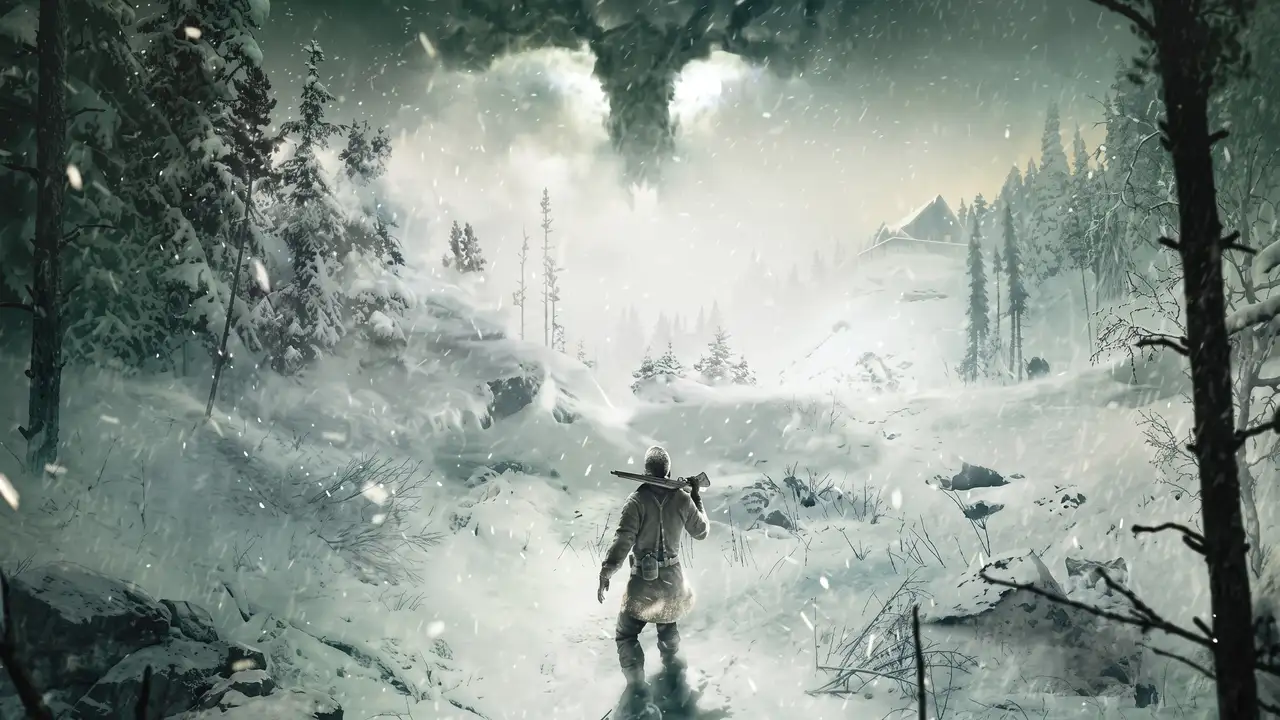
A crew flees a devastated planet aboard a drift ship, an infected imposter hides among them, and time loops until the threat is resolved. Gnosia fuses Werewolf-style social deduction with a full RPG progression system and a genuine narrative, and the fusion is its own invention: no other deduction game offers stat builds, skills, character arcs across loops and a story that makes the loop mechanic itself the central mystery. The atmosphere is the strongest pillar, paranoia-fuelled debates and eerie crew disappearances layered over a melancholy undertone of forgotten selves. Aboard the ship, an AI of uncertain loyalty presides, and the claustrophobia is total.
The core loop is deduction with consequence. Each day the crew debates and votes one suspect into cold sleep; the infected eliminate one human per warp; win conditions depend on role counts. Roles layer information warfare: the Engineer investigates, the Doctor protects, the Guardian Angel shields, Guard Duty blocks attacks, the AC Follower spreads doubt, and the Bug breaks the game’s rules entirely. The player’s six stats (Charisma, Intuition, Logic, Charm, Performance and Stealth) gate skills like Say You’re Human, Exaggerate, Retaliate, Definite Enemy and Small Talk, turning arguments into builds. Min-maxing Intuition and Charm to fifty changes how debates resolve, and the RPG layer is genuine rather than decorative.
The XP economy is extraordinarily generous. Every loop pays out on win or loss, respecs happen at will, and experimentation with builds never punishes failure. AI characters visibly level up and deploy new abilities in later loops, keeping the meta-progression honest, and difficulty scales with crew counts and imposter numbers. Event Search biases loop setups toward specific configurations, and the character notes system unlocks through events, collaboration and survival, adding a completionist collect-a-thon that turns deduction into archaeology. Roughly a hundred and twenty loops over thirteen hours reach full completion, and every hour of it stays fresh thanks to role randomisation and constant unlocks.
The endgame note hunt is the game’s one real frustration. Final character notes demand specific event conditions (particular roles alive in particular configurations), and the RNG re-rolling required to hit them means repeating loops again and again hoping for the right setup. The grind soured an otherwise excellent close, and the unskippable repeat dialogue during re-rolls compounds the tedium once every line is known. The complaint is precise: everything before the hunt is phenomenal, and the hunt alone drags.
Gnosia-side play is harder than crew-side, and the asymmetry is real. Fifteen crew against three imposters is difficult either way, and a low Performance stat hampered debate wins for many loops before the winning patterns emerged. Day-one readability suffers from intro text scrolling too fast to read, presumably deliberate, and early mechanics like the backlog and comment hotkeys take loops to internalise. AI voting behaviour occasionally defies explanation, with votes cast against guaranteed-human Guard Duty members for reasons the game never clarifies.
The cryptic event scenes reward the loop structure. A Shrine Maiden reveal, a slime-mould catastrophe and a murder spree each arrive as one-off mysteries that only looping can unravel, and the notes system documents every discovery. The finale’s emotional peak lands through a sacrifice at the interdimensional door, and a bittersweet epilogue dissolves the crew’s memories of the player in a sequence that earns its melancholy. A New Game Plus unlocks the true ending for those who push through, and the push is worth it.
The identity here is singular. Among Us-style deduction, an RPG stat sheet, VN-style character writing and a sci-fi mystery whose plot mechanism is the loop itself: nothing else combines them, and the event-and-notes system turning deduction into a completionist collect-a-thon is entirely its own. The crew cast (an android, a doll-revealed enigma, a vessel with a hidden past) carries the writing with genuine depth, and the pay-offs actively chase attention.
Overall, this is a phenomenal single-player social-deduction RPG whose loop mechanic is itself the central mystery, with role randomisation, generous XP and character notes keeping every loop fresh through full completion. The RNG re-roll grind of the endgame note hunt is the only genuine frustration, and everything else, from the stat builds to the finale’s sacrifice, justifies the wholehearted recommendation.