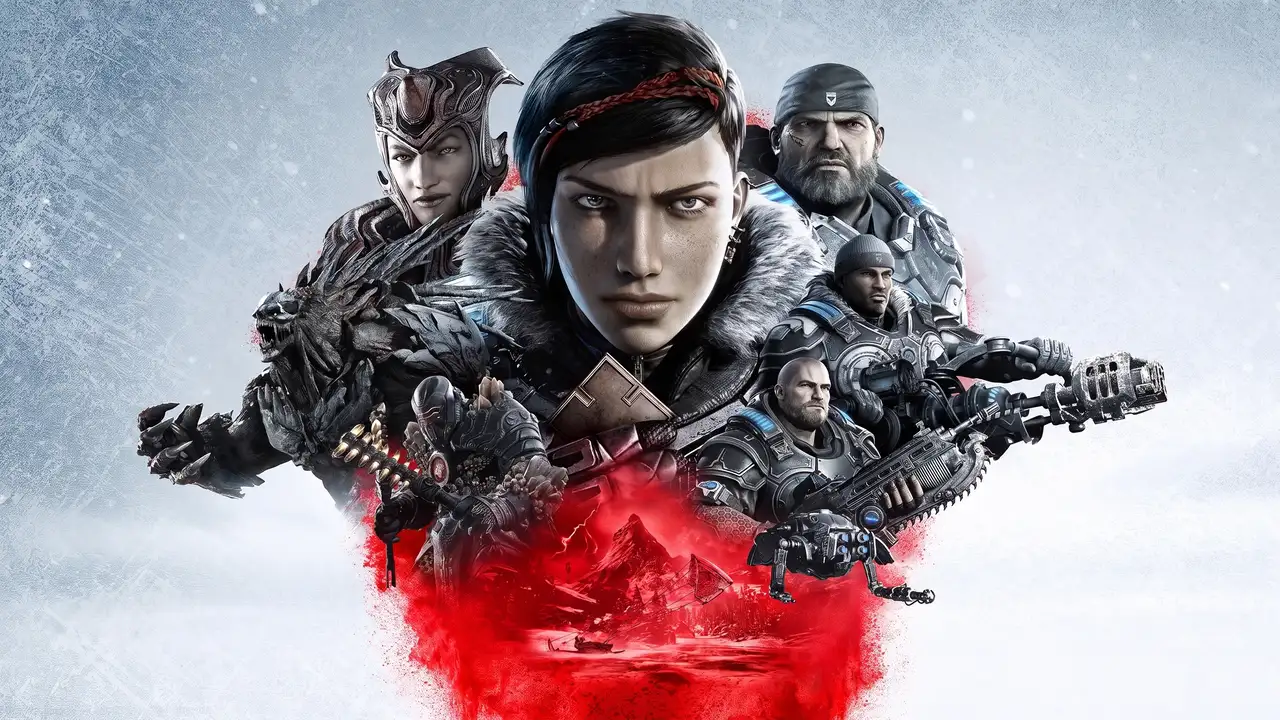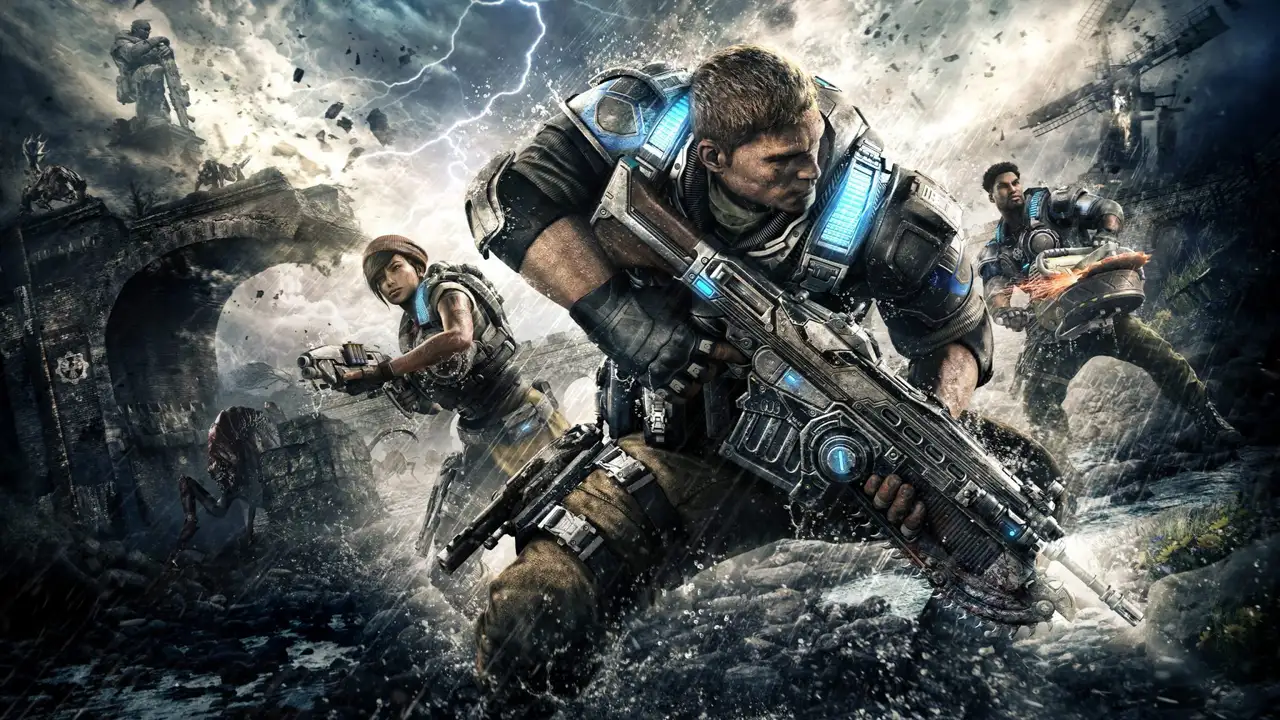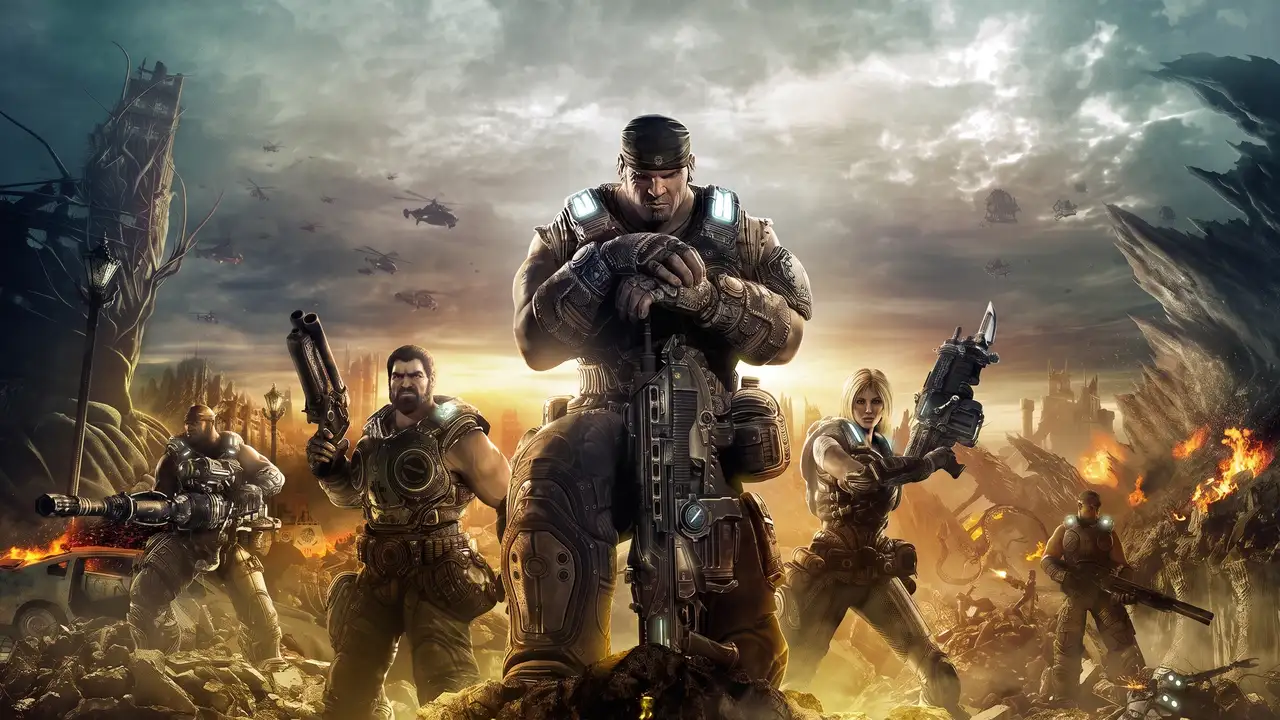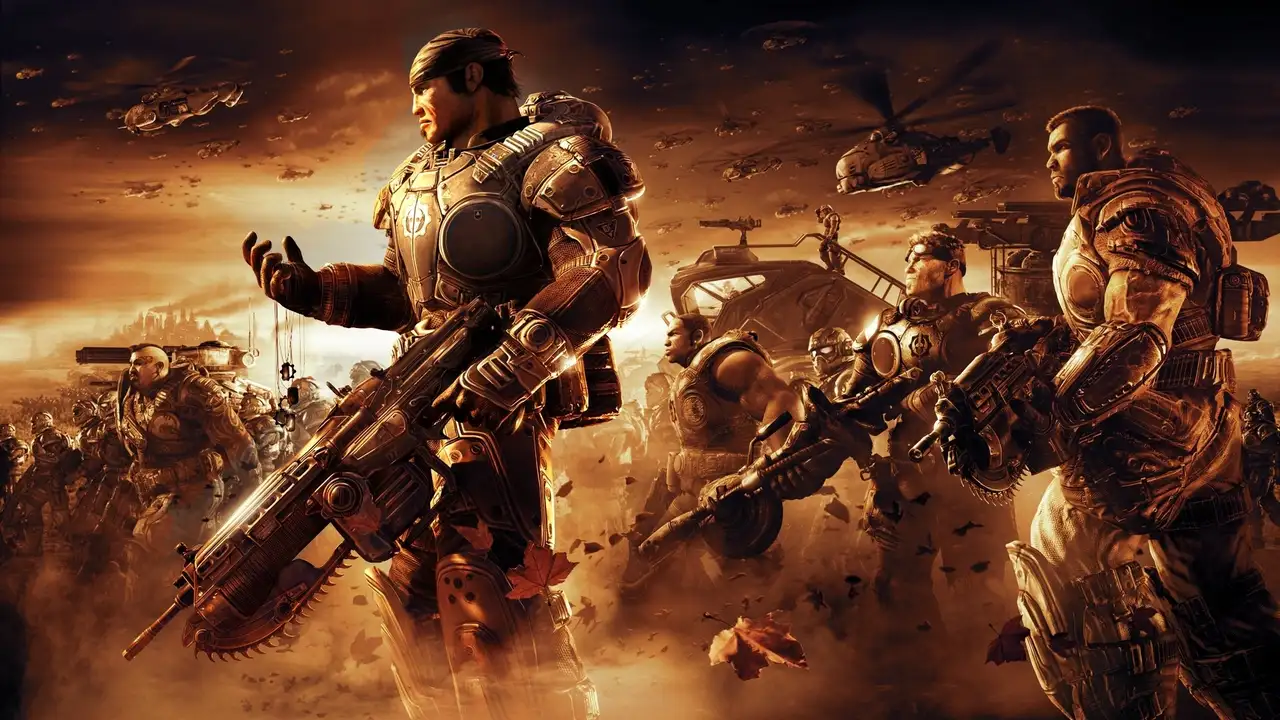
A tribunal convenes to judge an unauthorised strike, and each testimony becomes a playable chapter, a framing device that gives this prequel a structure no other entry in the series attempts. Baird, Cole, Sofia and Paduk recount the assault on Halvo Bay, and the courtroom conceit is genuinely fun even when its execution stumbles. Telling the story through contested accounts suits a cast this side-lined, and the perspective shifts between witnesses give the campaign a texture the trilogy’s straight-line soldiering never explored. The conceit earns its novelty even as the surrounding structure works against it.
The declassify system is the standout innovation. Any section can be voluntarily handicapped, adding dust, gas, timers, weapon restrictions or extra enemies in exchange for stars, and the opt-in design transforms optional challenge from an achievement checkbox into a risk decision made mid-mission. No other entry in the series lets difficulty be wagered at a button-press, and the modifier density keeps familiar cover arenas fresh. Star scoring accumulates toward unlocking the epilogue, giving the whole scoring layer a concrete reward rather than a cosmetic one.
The arsenal earns specific praise. The tripwire crossbow, the Breachshot, the Nasher and a Bulldog pistol that punches well above its class all add real identity, and the new weapons slot into the three-weapon loadout system without displacing the classics. Dropped grenade-throwing and sprint remapping take adjustment, and the initial confusion over the control shuffle is real, but the loadout flexibility supports the declassify handicaps better than the trilogy’s fixed kits would. Weapon variety here is the most generous the series had offered.
Structure is the central failure. Missions run roughly five minutes with result screens between every segment, chopping each testimony into jump cuts that destroy the campaign’s flow, and the arcade cadence reads as Gears sliced into a score-attack cabinet. Every testimony also contains a near-identical timed-defence segment, sit and hold for X minutes, and the repetition of that single mission type drains its tension by the third appearance. The Marrer-defence rooftop section, the hardest sequence in the game, turns those defences from tedious into punishing, and it is the run’s lowest point.
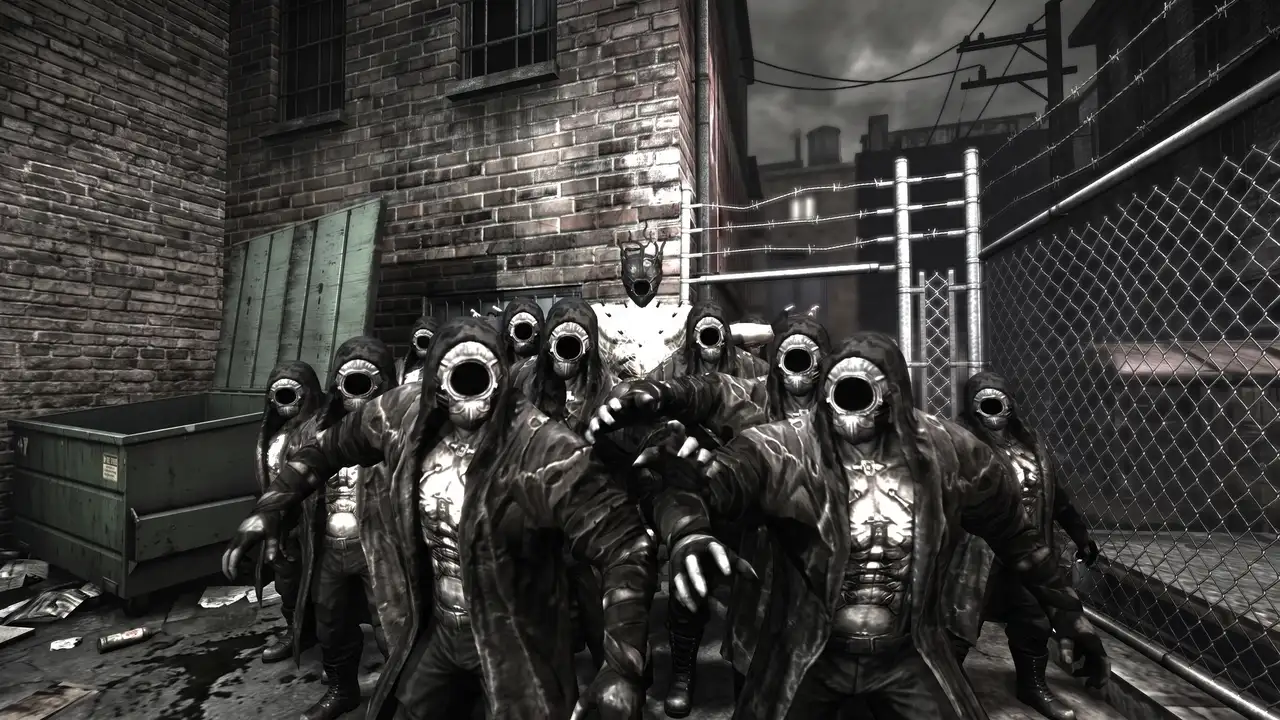
The Hammerburst redesign is the balance misfire. The trigger-rate identity that made the weapon feel distinct is gone, and what remains is a shadow of the trilogy’s workhorse, disappointing to anyone who had made it their signature. The Karn boss fight compounds the confusion with a white-crosshair weak point that never clearly communicates what to shoot, and solo normal difficulty poses little threat outside the Marrer waves. A one-off crash-to-stuck-screen bug and a washed-out grey-black palette round out the technical gripes.
Aftermath, the epilogue campaign unlocked at forty stars, flows far better than the main game and emerges as the stronger half. Unlocked roughly two-thirds in, it plays as one continuous story rather than a stack of testimony fragments, and its beats land with a poignancy the main campaign’s arcade chopping never allows. The contrast between the two structures makes the strongest argument the main game needed: continuous flow suits this cast, and the result screens add nothing the stars do not already measure.
Overall, this is better than its black-sheep reputation suggests, carried by a genuinely clever declassify system, an unusually generous arsenal and an epilogue that outclasses its host. The arcade segmentation, the recycled timed-defence segments and the gutted Hammerburst are real structural costs, and the verdict is easy to state: each testimony should have been one continuous mission. What remains is still an entertaining, inventive detour worth the time.