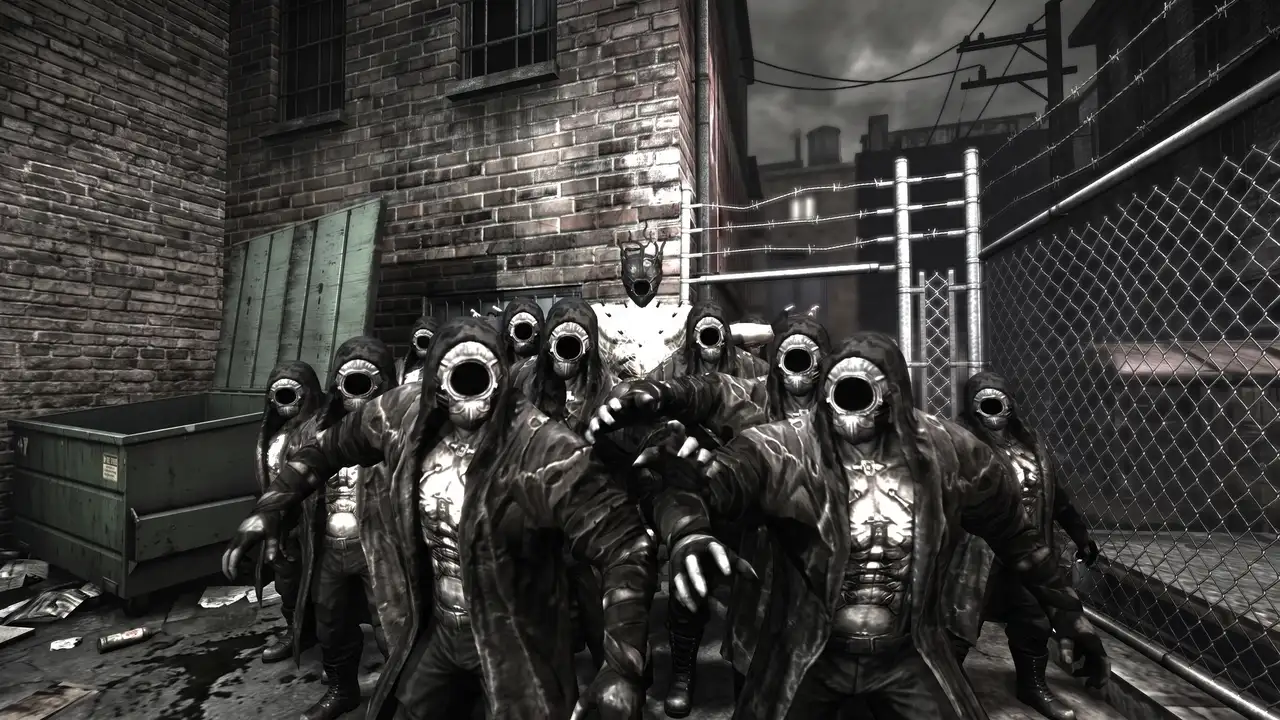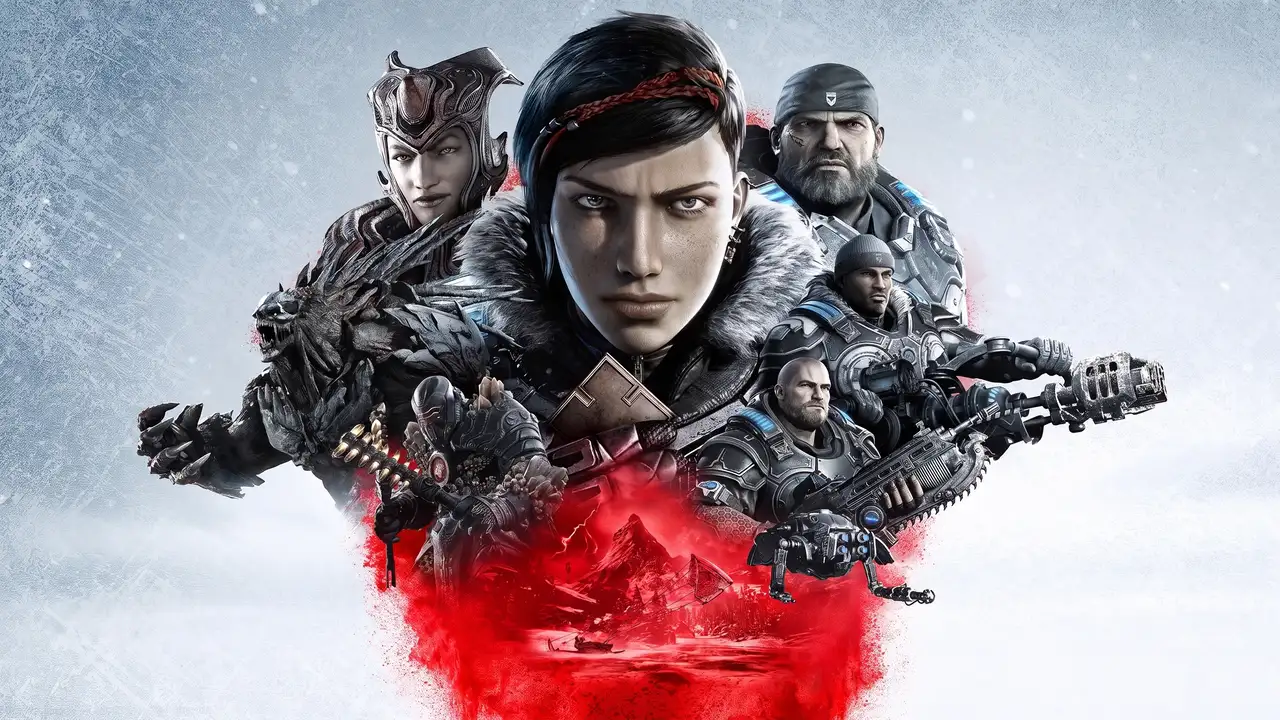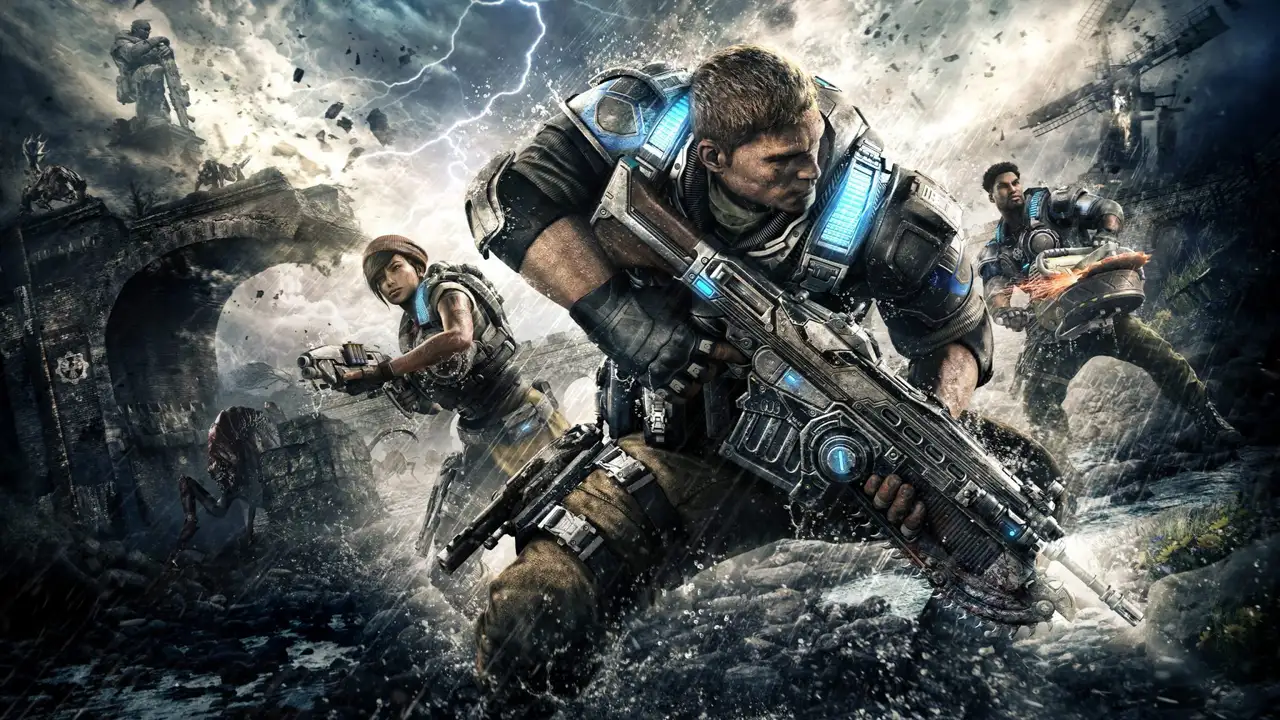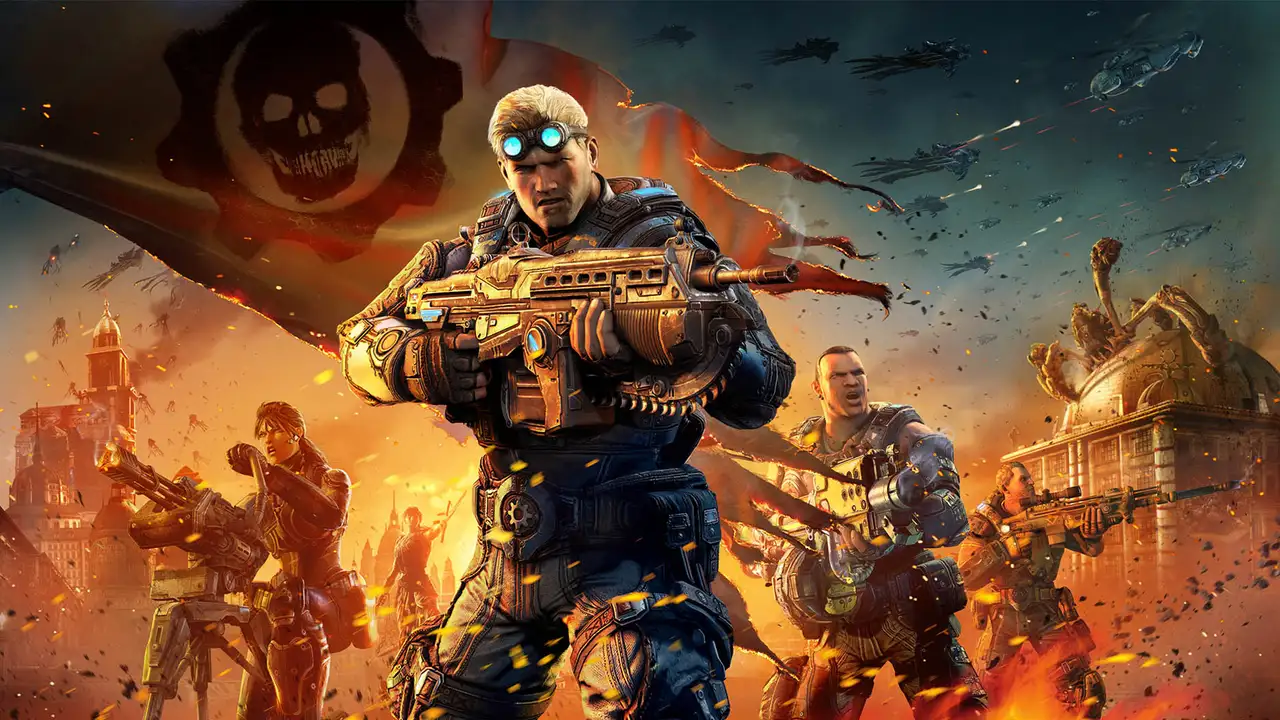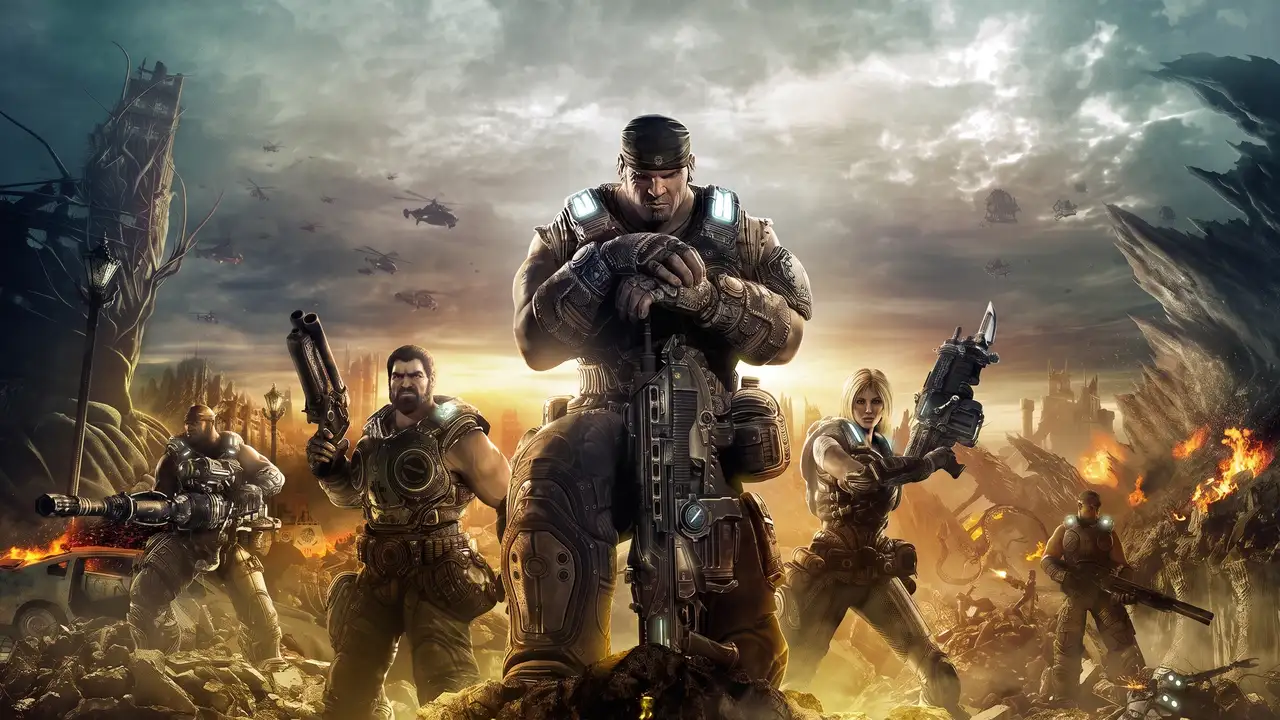
In the aftermath of a subterranean bombing campaign, a squad descends from a surface assault into the enemy’s underground home, and the campaign is built on a scale of grim spectacle few shooters of its era attempted. Sinking cities, prisoner barges, torture chambers and an infected research facility give the descent a relentless darkness, and the tone never blinks. A soldier’s search for his missing wife provides the emotional spine, and its resolution is staged with a restraint that turns a tent-pole blockbuster into genuine tragedy. The queen’s human ambiguity lingers as an unexplained hook, part of a lore strategy that prefers mystery to explanation.
The presentation remains remarkable. Nearly two decades on, the art direction carries scenes that higher-fidelity remakes sanitise: moody rain-soaked levels, oppressive interiors and dramatic lighting hold up precisely because the design does the work fidelity usually claims. Backwards compatibility touches the presentation further, and running at sixty frames feels strange but welcome. The comparison with the modern remake is instructive rather than nostalgic: the original’s mood outclasses crystal-clear rendering, a lesson in how art direction sustains a scene long after technical excellence ages.
Combat refines the original’s foundation without overhauling it. Active reload stays satisfying, the trigger-rate rifle rewards trigger discipline, and the looping guitar sting on clearing an area remains a perfect auditory reward. Solo-friendly changes matter most: going down in single-player is no longer an instant game-over, a small fix that transforms the solo experience. Structure is more varied than its predecessor, spanning a surface rig defence, an icy mountain climb in a tank, and even a stealth option buried in the deleted scene unlocked after the credits.
The set-pieces ride the enemies’ own machines. Escaping on a reaver and finally hijacking a Brumak deliver the campaign’s strongest thrills, turning the enemy’s arsenal into the player’s toys in ways the first game only gestured at. The Rift Worm’s interior is the structural highlight: a near-puzzle level with very few fights, navigating a mile-long creature’s anatomy with a two-hearts gag along the way, and its variety refreshes a genre that rarely trusts its players with quiet. The New Hope facility’s wrongness lingers long after the sequence ends.
Friction accumulates around the companions and the camera. Friendly AI wanders off, fails to revive, and parks itself in doorways with a focus on the player that borders on comic, and the irritation recurs across the whole campaign. Sprinting triggers aggressively obnoxious camera shake, obnoxious enough to notice every time. The tank controls nothing like its genre cousins, and forced pickups silently override a preferred loadout. Emulation quirks, enemy pop-in and oddly small explosion effects, are visible but never game-breaking.
Lore remains deliberately opaque. The enemy’s origins, reproduction and human-adjacent queen go unexplained, and the ambiguity frustrates anyone trying to piece the fiction together, an annoyance the campaign never resolves. The deleted scene is a fun curiosity, though its stealth section is visibly half-baked and its cutting was justified. Collectible text layout is awkward to read, a small presentation miss in an otherwise polished package. None of these dent the campaign’s momentum, but the opacity is a real choice that some will find indulgent.
Overall, this is the series at its most operatic, carried by art direction that still outclasses its remakes, an emotional core that lands with genuine weight and a structure that keeps reinventing itself. Companion AI jank, camera shake, tank handling and deliberately vague lore are the friction, and the deleted scene is a half-baked bonus. The campaign holds as the trilogy’s peak, and the whole remains very good.