An interstellar archaeologist deploys to the abandoned space station Opus to investigate an unidentified signal, and Faraday Protocol builds a first-person puzzle game around one elegant verb: absorbing coloured energy with a bio tool and firing it at receivers, statues, barriers and walkways. Red, blue and green energies open and close paths, with colour-barrier walkways demanding the right hue to pass through walls, and later conversion rooms and bounce pads layer onto the foundation. The tone is sterile-facility mystery, delivered through pre-recorded test messages, a disembodied AI voice and environmental lore entries. The fiction and the mechanics reinforce one another, since the colour-coded caste lore mirrors the energy-colour system directly. Genre lineage runs openly through The Turing Test and The Spectrum Retreat, yet the identity is its own.
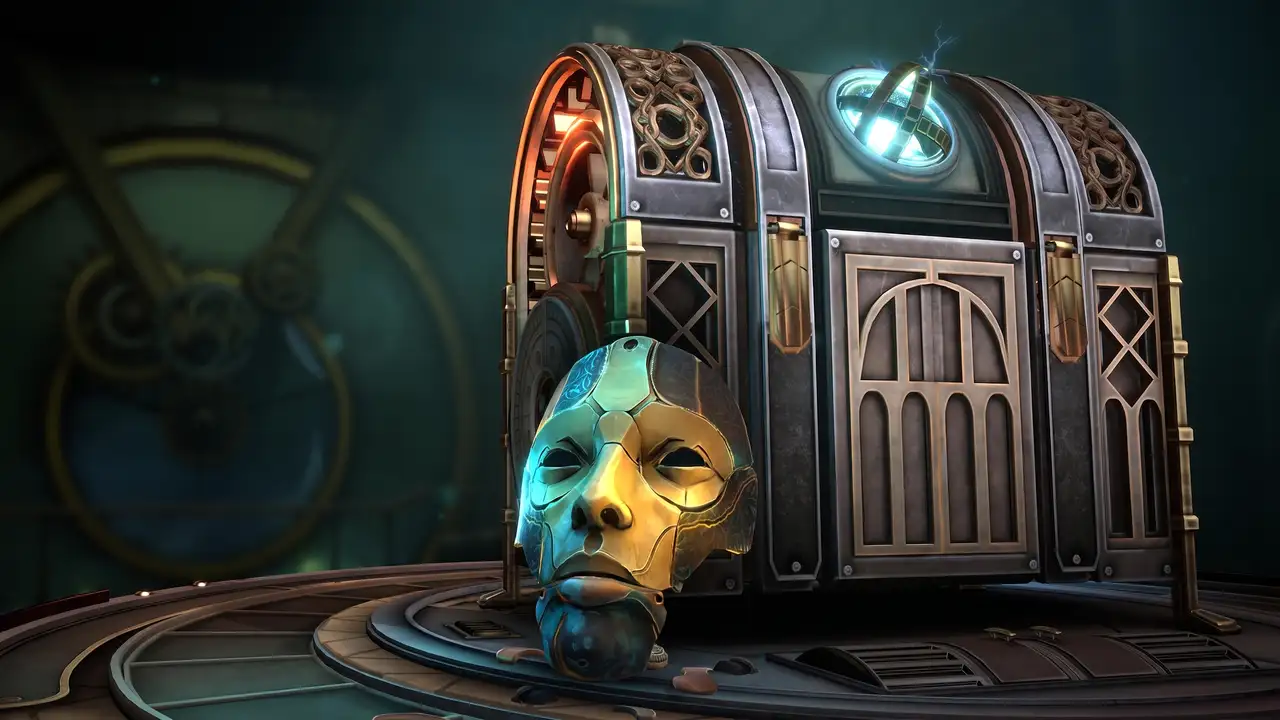
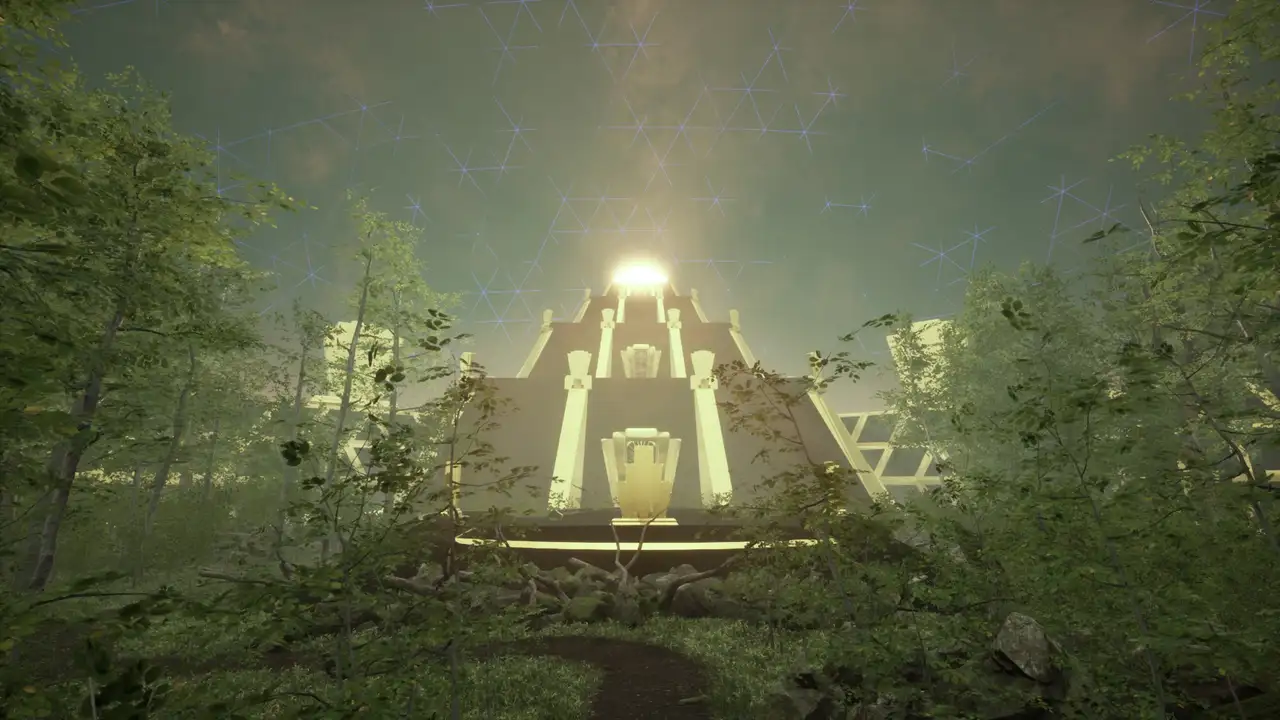
The visual presentation is a highlight from the first minute to the last. Golden, glossy alien architecture with screen-space reflections lends the halls an eerie, reverent quality, an Egyptian-temple-in-space aesthetic distinct from the clean-white facility look of its peers. The reflections alone reward admiration, bouncing light across polished surfaces in every chamber. Atmosphere and art direction carry the mystery between puzzles. Few puzzle games look this committed to a single striking visual idea.
The rotating and linked dial puzzles are the most persistent frustration, sometimes clever and often agonising, with correctly aligned pieces cascading out of sync the moment neighbours shift. Difficulty runs unevenly in the classic puzzle-game way, stumping hard on trivial solutions while complex rooms fall easily, and overthinking is punished as often as underthinking. Occasional puzzle elements give no indication of what they require, blank objects with unreadable intent. The soft-aim and auto-lock on the bio tool lock pickups in place awkwardly whenever aiming matters. The menu text, styled like the logo, reads squished from the first minute.
Eighteen optional collectibles hide throughout the ziggurat chapters, and the hunt rewards thoroughness across the escalating gauntlet. The chapterised ziggurats escalate complexity cleanly, ending in a finale after the bio tool is confiscated, a clever twist that strips the core verb at the climax. Progression never leaves the station, and the compact structure suits the format. Puzzles regularly stall longer than expected, with one hard stop nearly ending in a level restart before the trivial answer surfaced. The four-to-five-hour runtime stretches from the expected couple of hours precisely because the rooms demand real thought.
The AI Iris delivers the lore well, and the space-station mystery builds to a genuinely interesting layered reveal about the facility’s purpose, the digitalised humans divided into the colour castes, and the war that destroyed humanity. The archaeologist’s own people tie into the backstory in a satisfying way. Two endings exist, and the choice between following the AI’s advice and escaping carries real weight, with the counter-intuitive option turning out to be the correct one. The golden halls lend the reveals an appropriately reverent staging. Story delivery leans on lore entries and dialogue dumps rather than active narrative, a style choice that will not suit every taste.
The core colour-energy puzzle design sustains enthusiasm across the whole campaign, rewarding engagement with every new application of the verb. Bounce pads and conversion rooms extend the vocabulary without diluting it. The dial puzzles aside, room design stays inventive from the opening tests to the confiscated-tool gauntlet. The overthought-for-an-hour, solution-was-trivial feeling is part of the genre’s charm, and this game delivers it repeatedly. The aesthetic cohesion between mechanics and lore is the quiet design trick that elevates the whole package.
Overall, Faraday Protocol is a stylish, well-crafted first-person puzzle game whose colour-energy core, golden reflective architecture and layered station mystery deliver an engaging four-to-five hours, held back by cascading dial puzzles and occasional under-signalled intent. Punishing overthinking is the game’s only real sin, and even that reads as genre tradition. A strong entry in the colour-logic lineage with an identity all its own.