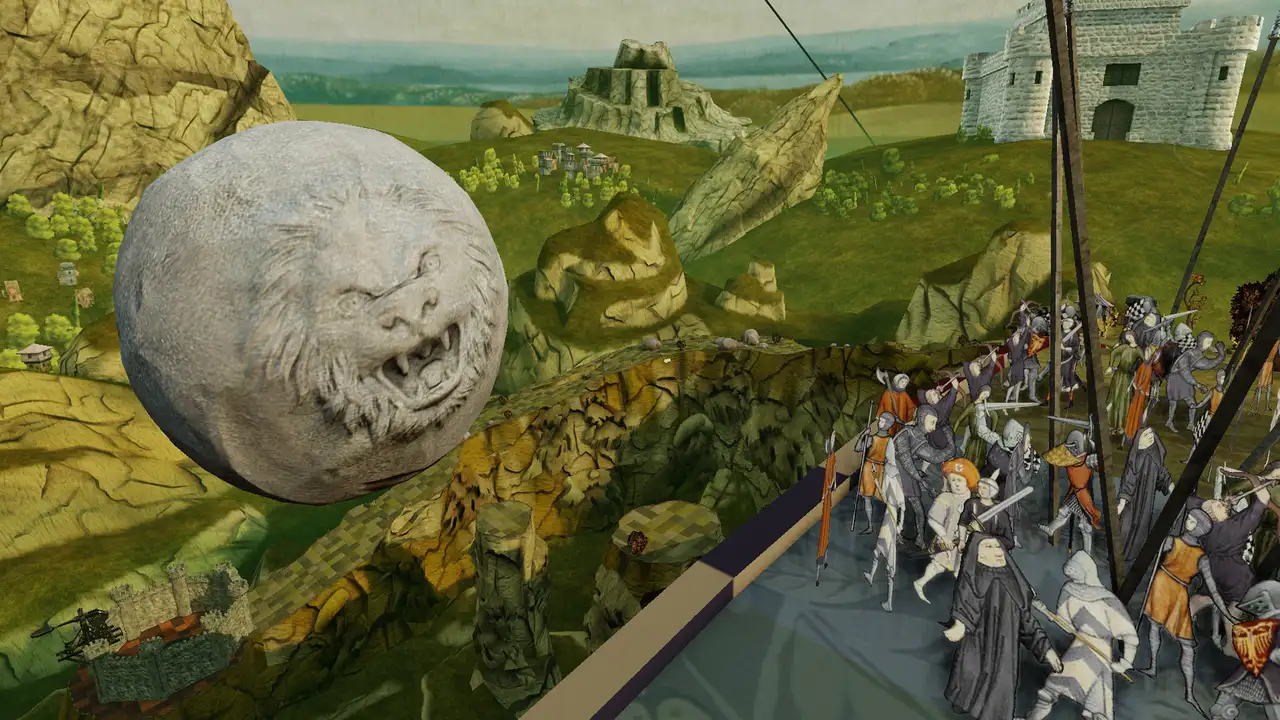
A cat guides the way through doors into miniature worlds, and each door opens onto a small three-dimensional object holding interactive panels, hidden items and a single exit to discover. Collectible scrolls deliver a light fable about order versus chaos, and the campaign closes with a choice between two endings, each carrying its own note. The tone is gentle and playful throughout, with no tension darker than a themed horror chapter. Puzzle-box cosiness is the entire design brief, and the game honours it completely.
The bite-sized format is the reason the whole enterprise works. Dozens of compact, self-contained dioramas keep momentum high and never outstay their welcome, and each level resolves in roughly two minutes. The shorter scope compared with the developer’s earlier multi-sided cube puzzles trades mechanical depth for sheer volume, and the trade pays. Completing all 58 levels plus both bonus episodes in a single sitting is not only possible but natural, and the format makes every solution feel earned.
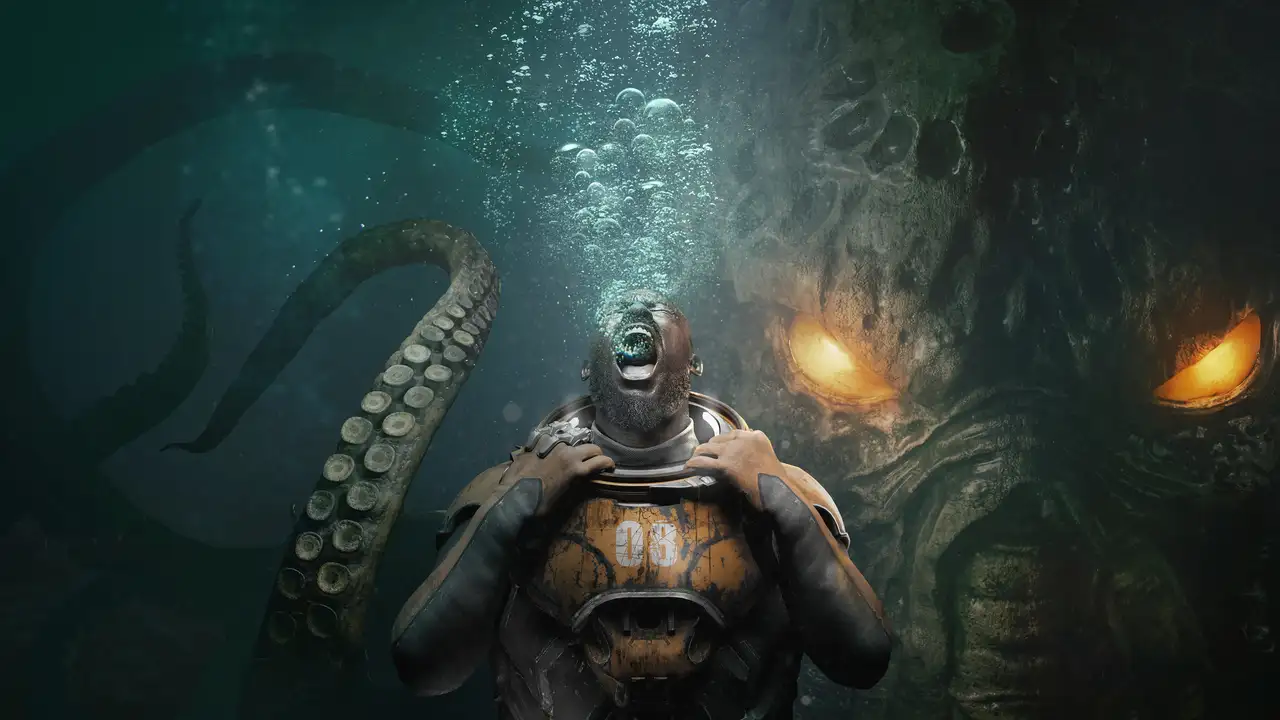
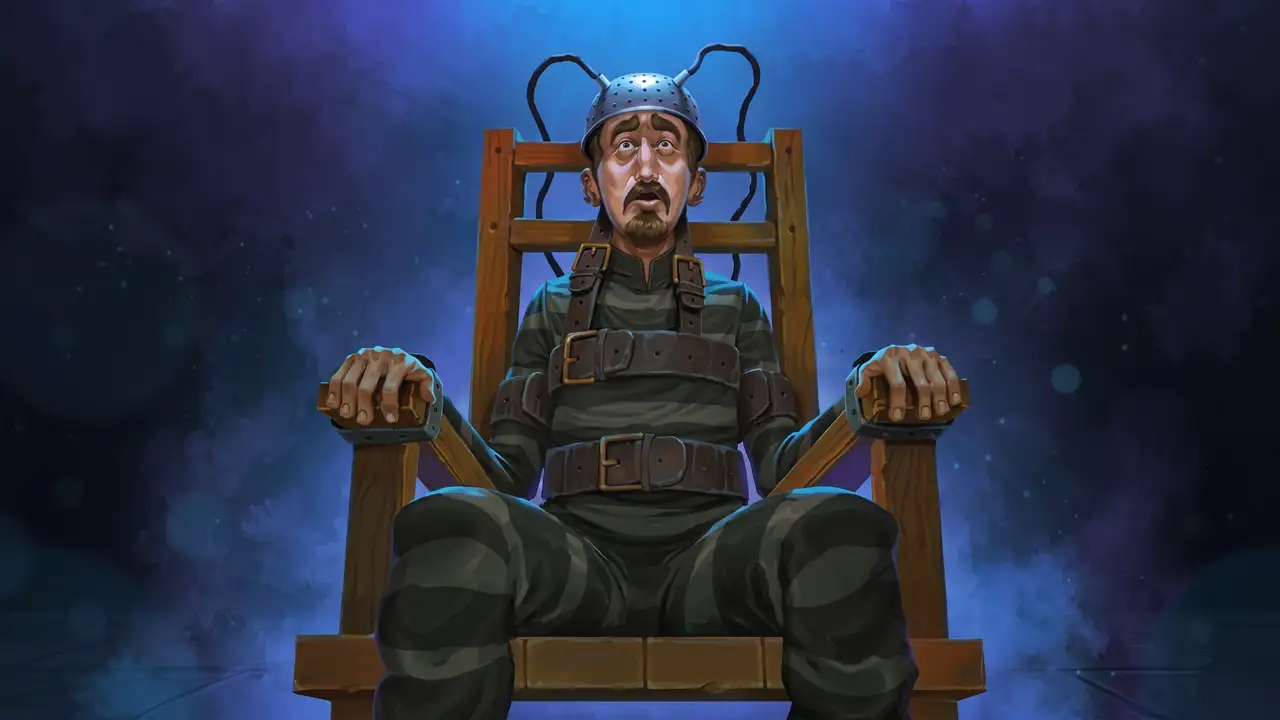
Puzzle variety is genuinely broad, rotating through mechanisms, sliding tiles, tile-lining, rhythm challenges and arcade minigames at a pace no mechanic can wear thin. Every puzzle behaves as its own invention rather than a reskin of the last, which keeps the long run fresh from the fairytale opening through ancient ruins and the sci-fi and horror chapters. The stained-glass level on the order path is a standout that transforms the format’s constraints into something genuinely beautiful. Breadth, not depth, is the design’s currency, and it spends well.
Difficulty stays flat, with all three chapters unlocked from the start and no meaningful ramp across the campaign. Puzzles remain relatively straightforward throughout, and anyone expecting the escalating curve of the developer’s previous release will find the ceiling much lower here. The evenness suits the bite-sized pacing, but it also removes the satisfaction of a hard-won late-game challenge. Genius-feeling comes cheap in this format, and the design knows it.
Sliding block puzzles recur as the campaign’s recurring bane, draining goodwill each time they surface, though these specimens are milder than the genre’s worst offenders. The skip button exists precisely for these moments, and it is a merciful inclusion. Grab ambiguity causes the other real friction: interactive-looking objects sometimes refuse collection until unrelated events trigger, and a note hidden beside a parrot stays invisible until the bird departs. Neither flaw breaks the flow, but both interrupt it.
No menu tracking exists for per-level collectibles, so keeping count of scrolls and gems requires memory or outside notes. Gems and notes cannot be re-collected on replay, which compounds the tracking problem for anyone chasing full completion. Two gems and a scroll hide in every level, and finding them all in one sitting is achievable but bookkeeping-heavy. A simple counter would have solved the entire issue.
Overall, the volume of short, varied, self-contained puzzles delivers steady low-friction progress with lots of small wins, and both ending paths round out a satisfying single-sitting completion. Flat difficulty, grab ambiguity and the missing collectible tracker are specific but survivable blemishes. The trade of depth for pace mostly wins, and the recommendation comes without hesitation.