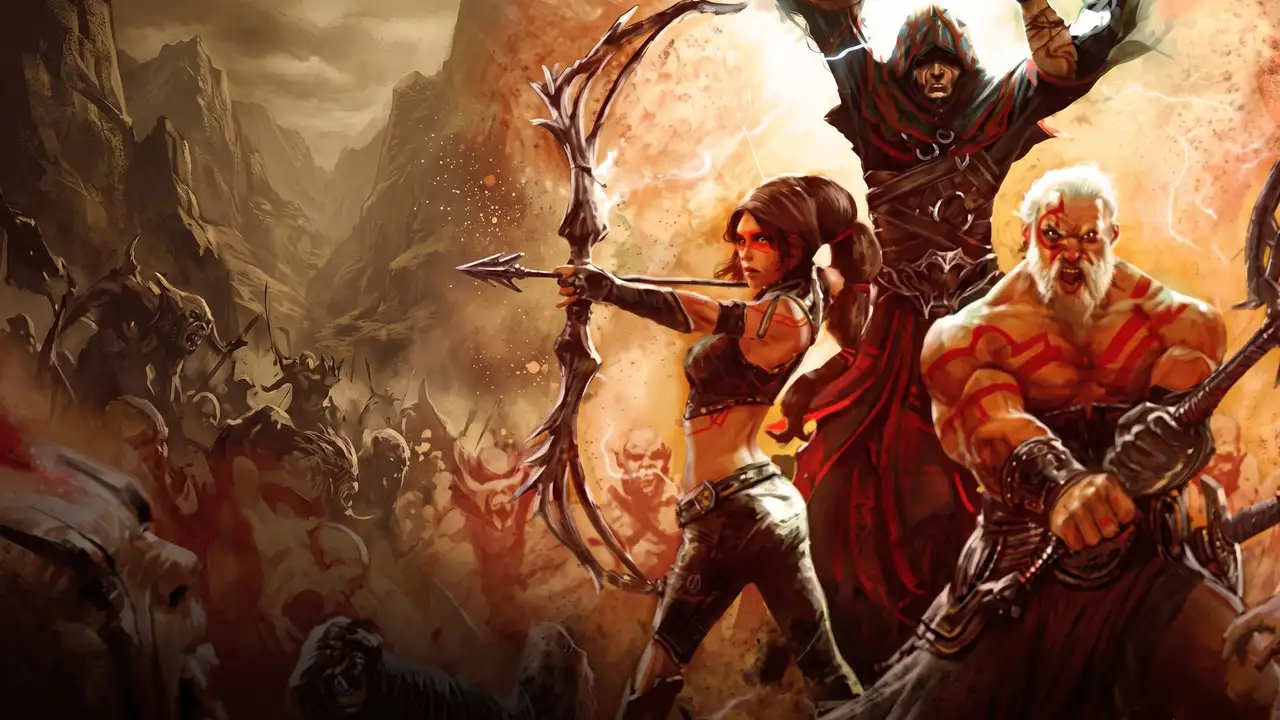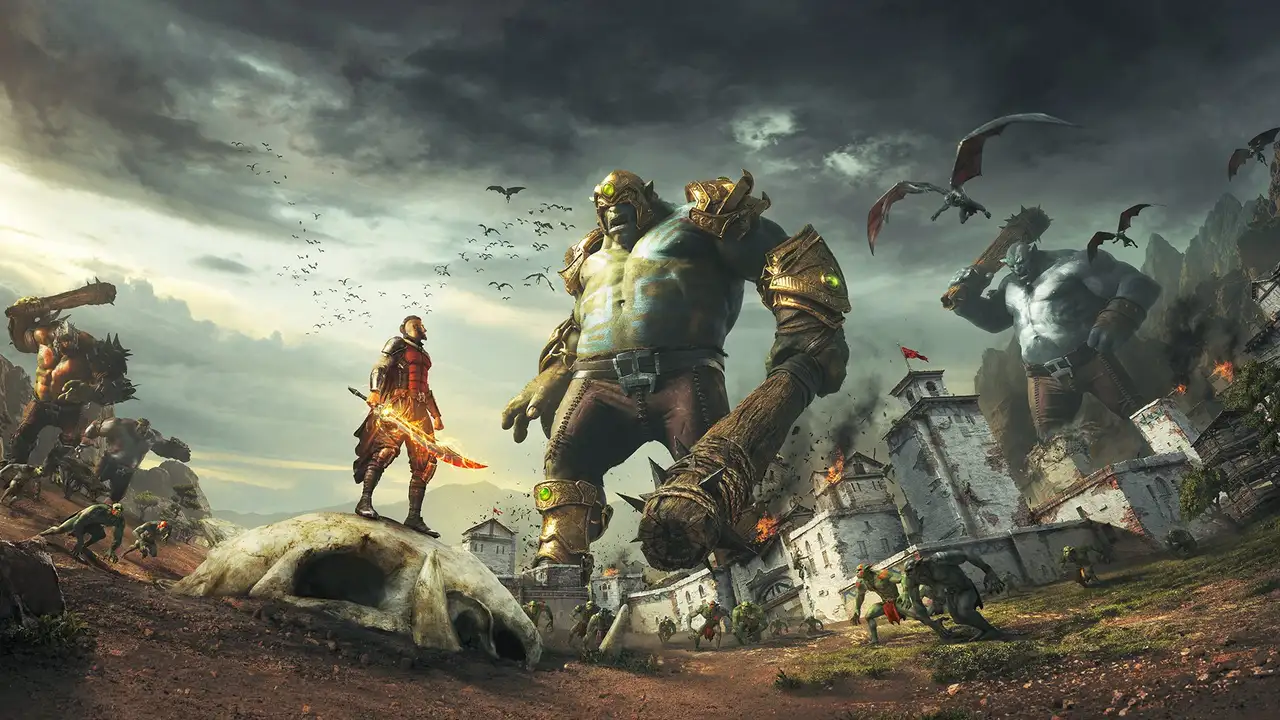
A pilgrimage through a decaying holy temple, told almost entirely through scattered readable documents: King’s Memoirs recounting a royal line, letters from lost squads and grieving mothers, a noblewoman-turned-nurse, exiled thieves and execution ledgers. The tone is oppressive, blasphemous and deliberately unsettling, reading like Dark Souls and Darkest Dungeon had a baby, and standout lore threads include the demiurge’s history, the Wall of Flesh and a ritualist’s kingdom. Reading every tablet and note becomes the run’s quiet engine, and the writing rewards the impulse consistently.
The boss roster is the combat’s great strength: roughly fifteen bosses across four areas, large, varied and mostly fair, most falling first-try or within a death or two. Genuinely clever gimmicks distinguish the standouts: a blocking crow-woman weak to dual-wield second hits, a prayer-damage Virgin whose fight rewards piety over aggression, an arrow-reflecting Fallen Bullwalk, and a duo fight over ice floors. No boss in the set disappoints, and the variety keeps the roguelike loop from ever feeling like repeated labour.
Progression runs on permanent rune tablets granting stacking buffs, with sixteen tablets covering base crit, faith and flat damage by the end, and the tablet hunt is the most rewarding completionist layer in the game. Health ties directly to equipped trinkets, armour degrades and slows as it wears, and a stamina-driven moveset with no jump button takes real adjustment before it clicks. Weapons range from bare fists to a cudgel that two-shots most enemies, and enemy respawns with per-run chest refills keep each attempt live.
The curse and blessing system is a great idea badly balanced: curses land dramatically harsher than the blessings meant to offset them, and several curse triggers punish core gameplay outright, with dodging, running away and stamina depletion all capable of drawing a curse. Punishing the player for dodging in a game where dodging is essential is a design contradiction the blessing side never evens out, and a bad curse roll can undo an otherwise strong run. The blood circles of the den and the alabaster citadel, which nuke active blessings, make those areas the run’s low points.
The one-way door structure compounds the friction: nearly every door locks behind the player permanently, route planning becomes miserable, and the game’s Metroidvania-style layout turns out to be nothing like a Metroidvania in practice. Exploration is styled but never actually rewarded, since going back is impossible. The map compounds the problem, failing to show the player’s position accurately and rendering its boxes in a layout that does not match the actual level geometry, making it functionally useless as a navigational tool.
Bright settings arrive miscalibrated, and missing tutorialisation leaves the early hours obscure, though patience resolves both. Chests refill on first entry per run and enemies respawn, keeping grinding viable between boss attempts, and just over eleven hours cover a near-100% sweep with three endgame quests skipped. A mysterious entity ended an early deathless streak of three bosses, and the roguelike death-and-retry loop stays engaging throughout rather than exhausting.
Overall, a grim, engaging 2D souls-like roguelike whose note-driven worldbuilding, inventive and mostly fair bosses and permanent tablet progression carry the experience despite a curse economy balanced against the player, a one-way door structure that punishes exploration and a functionally useless map. The tablet hunt alone justifies the trip, and the flaws feel like rough edges on a genuinely distinctive systems game rather than fatal ones.