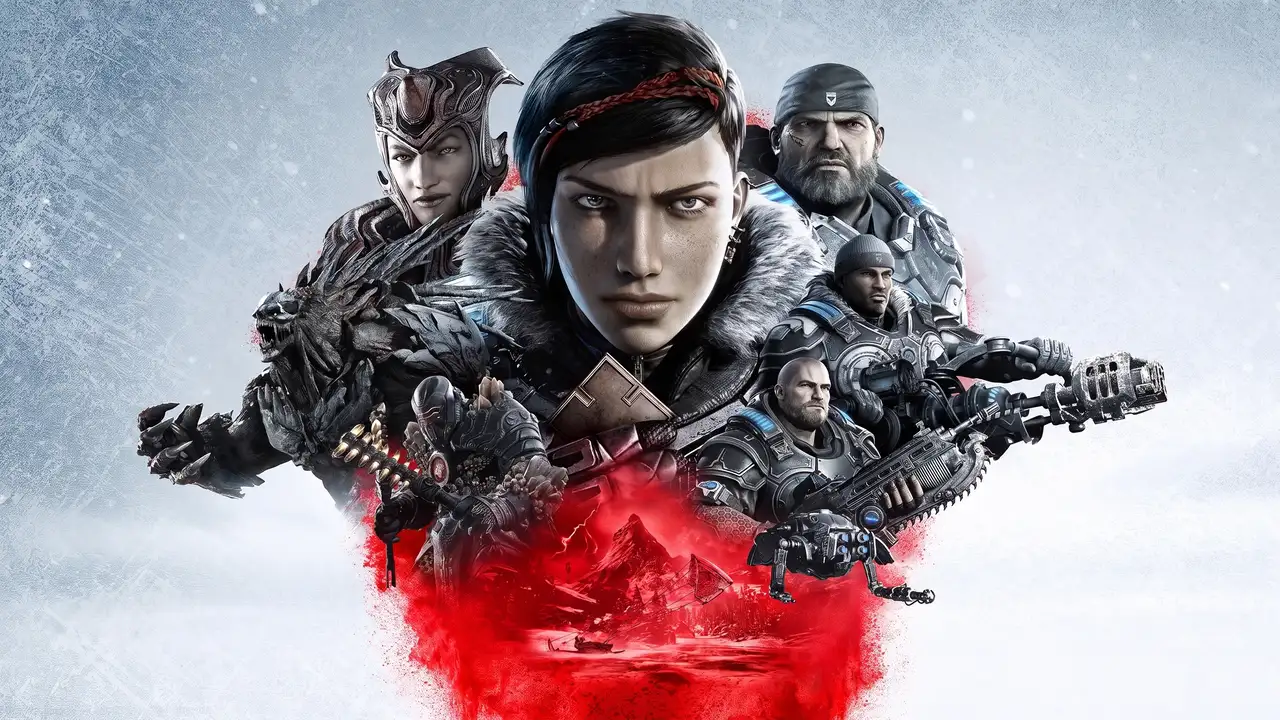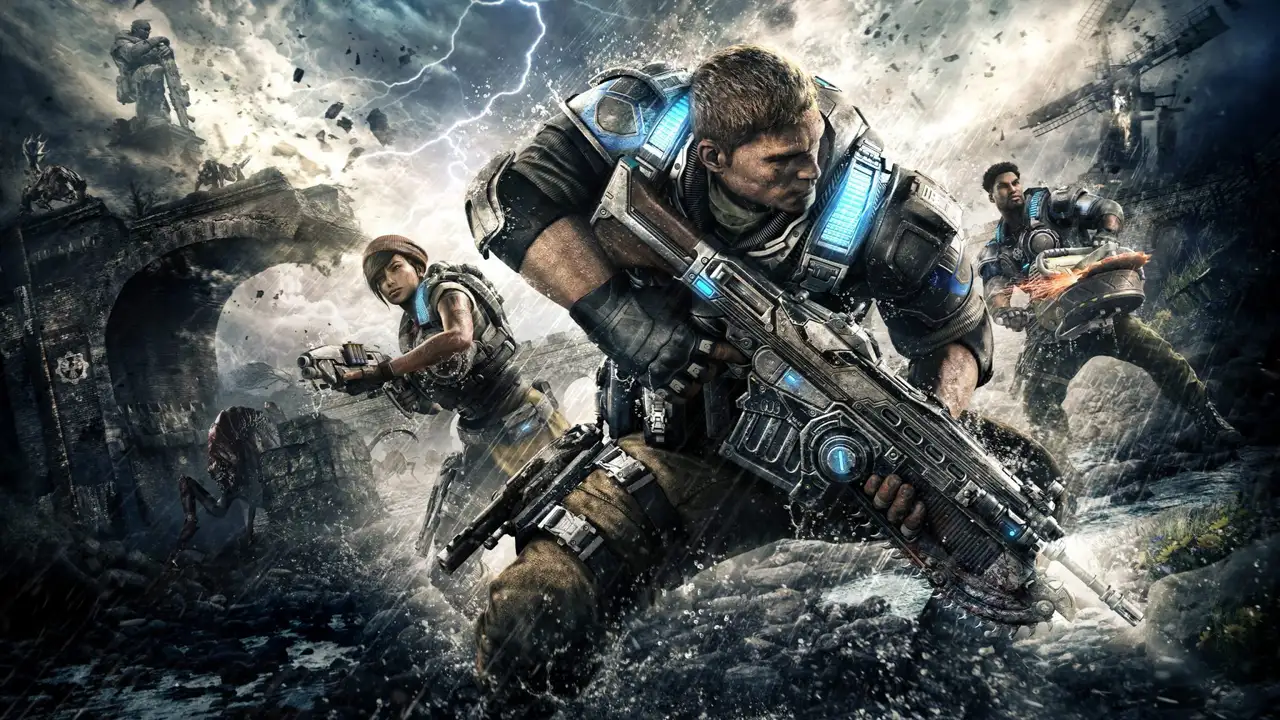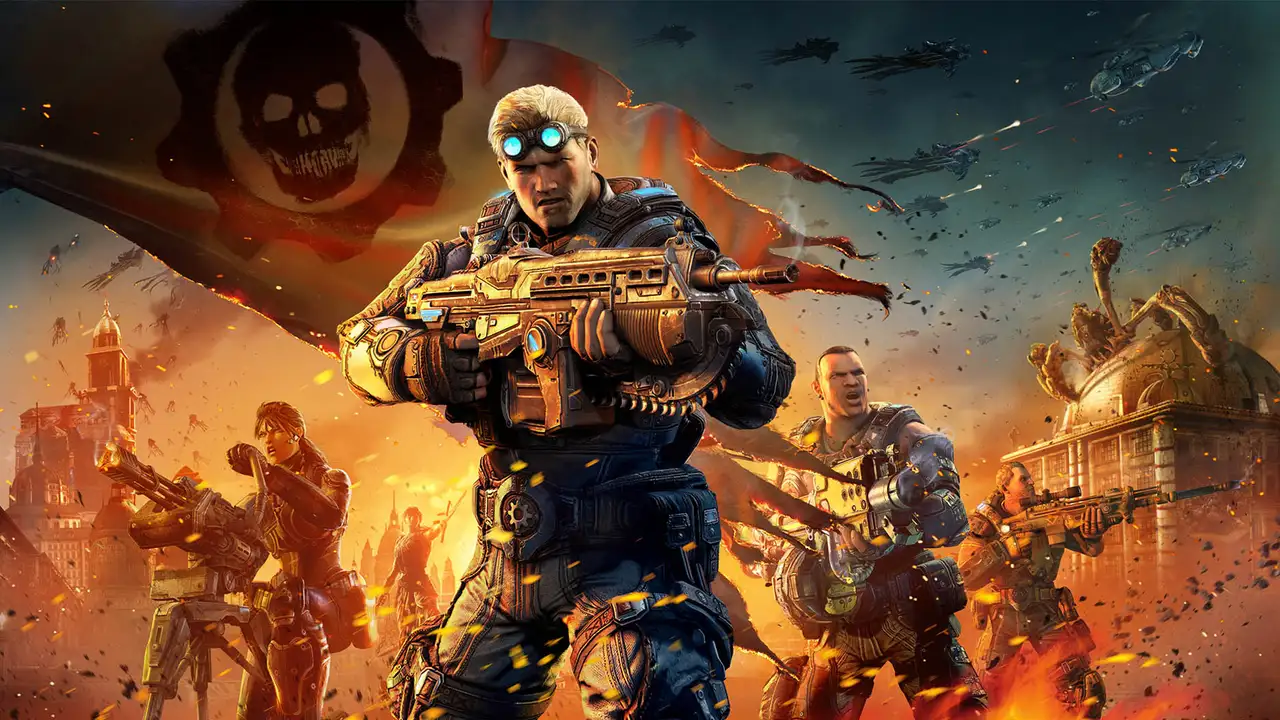
La Puerta, Mexico: rookie contractors protect a politician from a cartel, lose him, and spend a single brutal day clawing through resorts, catacombs and compound sieges to get him back. The cinematic, banter-forward B-movie tone sits against a Day of the Dead backdrop, and the buddy dynamic that defines the series survives the change of leads: the mentors from earlier entries return in supporting roles, their presence giving the newcomers something to measure against. A chopper escort sequence gives the mid-game its best sustained set-piece, and the catacombs stand out as the level design’s most atmospheric stretch. The narrative’s late twist lands hard enough to reframe the entire campaign, and it carries genuine shock even by franchise standards.
The rebuilt cover system is the game’s clearest improvement and its explicit selling point. A dedicated snap-to-cover button replaces the earlier entries’ sticky, ambiguous crouch-cover hybrid, and the difference is felt within the tutorial: flanking, repositioning and blind fire all flow from a control scheme that finally says what it means. Flank-and-aggro co-op continues without a formal meter, and synchronized breaches with slow-motion remain the series’ best choreographed beats.
Overkill turns firefights into an invincible demolition playground. Charged through coordinated play, the rampage grants unlimited grenades and explosive rounds and turns enemies into paste with a theatrical excess that is impractical but consistently joyful. The armory (weapons, attachments, skins, masks, tattoos) adds Payday-style dressing, with mask and tattoo customisation fun if shallow, and the escalating enemy roster (shirtless cartel, helmeted brutes, riot shields, MMG nests, elite soldiers) gives the arsenal plenty to work against.
The improved cover is constantly undermined by the cover itself. Cars, boxes and barricades disintegrate under fire, so the system’s foundation keeps evaporating mid-fight, and enemies spam grenades relentlessly to flush players out of what remains. Bullet sponges compound the frustration: even shirtless grunts soak multiple headshots, and bullets visibly fail to travel where the crosshair points. Fragmented pacing adds insult: tiny segments separated by constant loading, and weapon upgrades gated behind a slow-loading checkpoint-only armory, a clear step back from the previous entry’s mid-level customisation.
The finale is broken on console with an AI partner. The final explosive sequence fails twice with the partner declared dead, and the game credits out anyway; an earlier AI-freeze bug (the partner stuck crouching mid-mission) forces a checkpoint restart. Equally strange is what is missing: not one back-to-back sequence, the signature co-op beat of the entire series, appears in the whole campaign. Alpha and Bravo, meanwhile, are bland placeholders whose names alone tell the story of the leads’ downgrade.
The series itself is now effectively unpurchaseable: only the first game was ever backwards compatible, and emulation mangles both sequels into graphical glitches, leaving this swan song stranded on original hardware. That preservation reality colours the verdict as much as any design choice; the game is competent, often fun, and now nearly impossible to play legally, which makes its rough edges both more forgivable and more tragic.
Overall, a competent, fun swan song whose fixed cover system outshines its predecessor and whose Overkill catharsis and partner banter keep the series’ soul alive with new leads. The exploding cover, grenade spam, checkpoint-gated armory and an ending that literally does not work are real deductions, but the core loop still lands, and the buddy-shooter identity survives intact to the end.