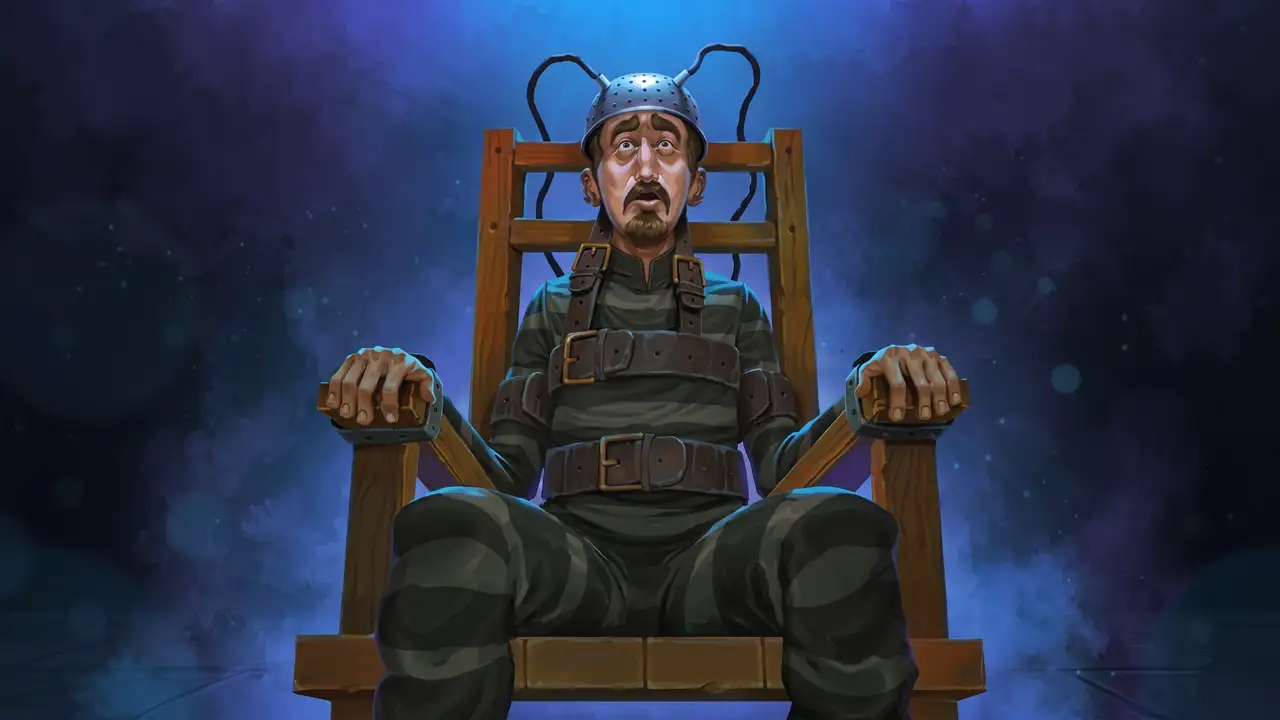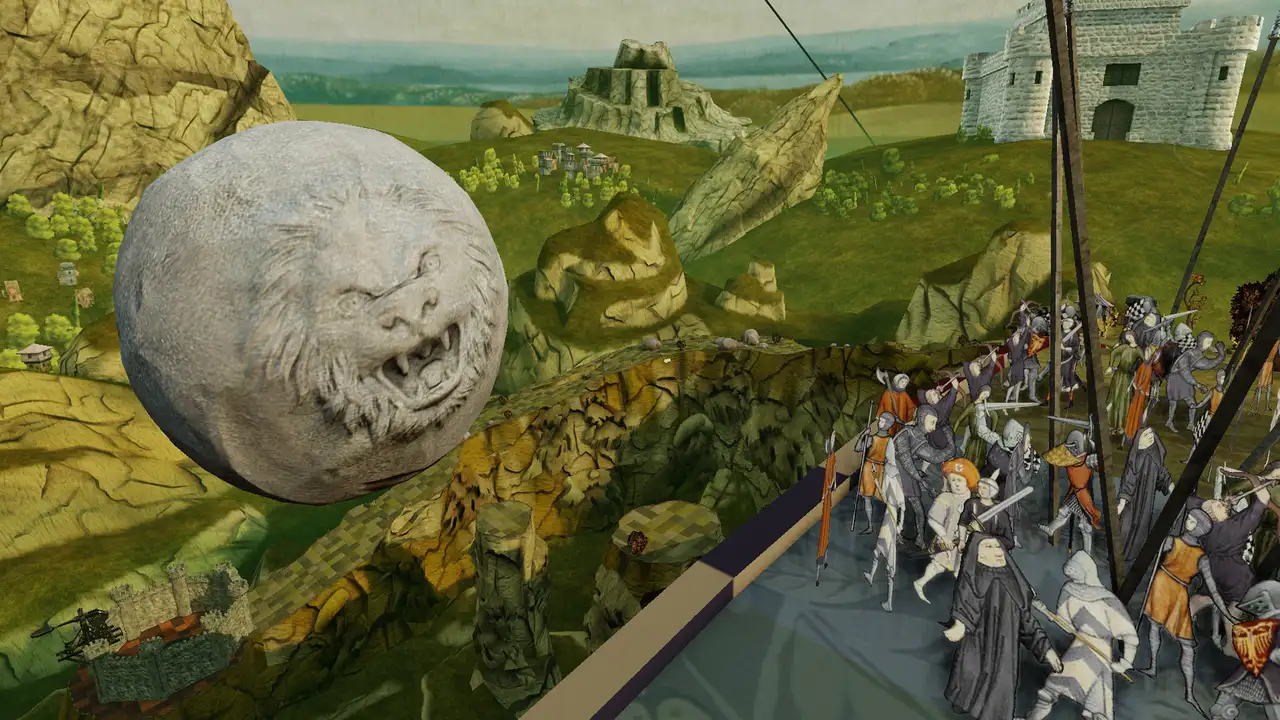
Oakmont is a flooded, fog-bound Lovecraftian borough of decay, cults and conspiracies, and a private detective arrives with his own demons to work through its cases. The atmosphere of a city going under lands through its districts and its documents, and the Vanderberg murder case sets the tone early: a man murdered, a case closed, and then the victim seen alive again, a mystery that confounds pleasantly without explaining itself. The main plot builds through prophecy and cults toward a conclusion with no good outcomes, and every resolution the story offers comes with a cost.
The absence of hand-holding is the design’s defining choice. No quest markers, no objective arrows, only addresses that must be derived from clues and hunted down street by street on a district map. Conclusions are deduced in the mind palace rather than selected from options, and the investigation loop of reading newspapers, archives and police records to find the next witness is genuinely different from anything marker-driven. The game even lets the detective look up his own police record, a small touch that shows how far the self-direction extends.
Case structure rewards cross-referencing. A single investigation might span a witness statement, a marriage licence at city hall and newspaper interviews, and the branchy moral choices around framing a suspect, turning in another, or poisoning an informant meaningfully change how cases resolve. Side cases run fetch-style with thin premises, and their recycled house layouts and back-to-back locations are noticeable without ever becoming resented.
Combat is serviceable but never the point. Enemy types repeat, exploding brutes absorb three grenades, tentacled foes revive, and the local police seem to aggro on accidental provocations, but the survival-horror layer sits behind the investigation rather than driving it. Skill trees near-max by the end, upgrading grenades, shotgun and submachine gun, and crafting supplies ammo, medkits and fire bombs for the stretches between deductions.
The Mind’s Eye mechanic carries one arbitrary restriction. Investigation is blocked while enemies remain nearby, an annoyance during side cases in infested zones that forces combat before deduction can resume, and the rule reads as artificial in a game otherwise built on player trust. One asylum evidence piece stays stubbornly unobtainable despite exhaustive searching, a small collection hole that resists every pass.
Content volume surprises. Main cases, all side cases including DLC episodes, and three distinct endings stretch across roughly nine and a half hours, with the final act revealing far more game than expected. Each ending lands badly for everyone involved, and the branchy moral structure means the choices along the way matter to how each resolution arrives.
Overall, the self-directed investigation loop, the fog-drowned atmosphere, and the genuinely branchy moral choices make this a detective game that treats the player like an adult, and the recycled side-case layouts, repetitive combat and the Mind’s Eye restriction are real but secondary costs. A long, meaty case file with a city worth getting lost in.