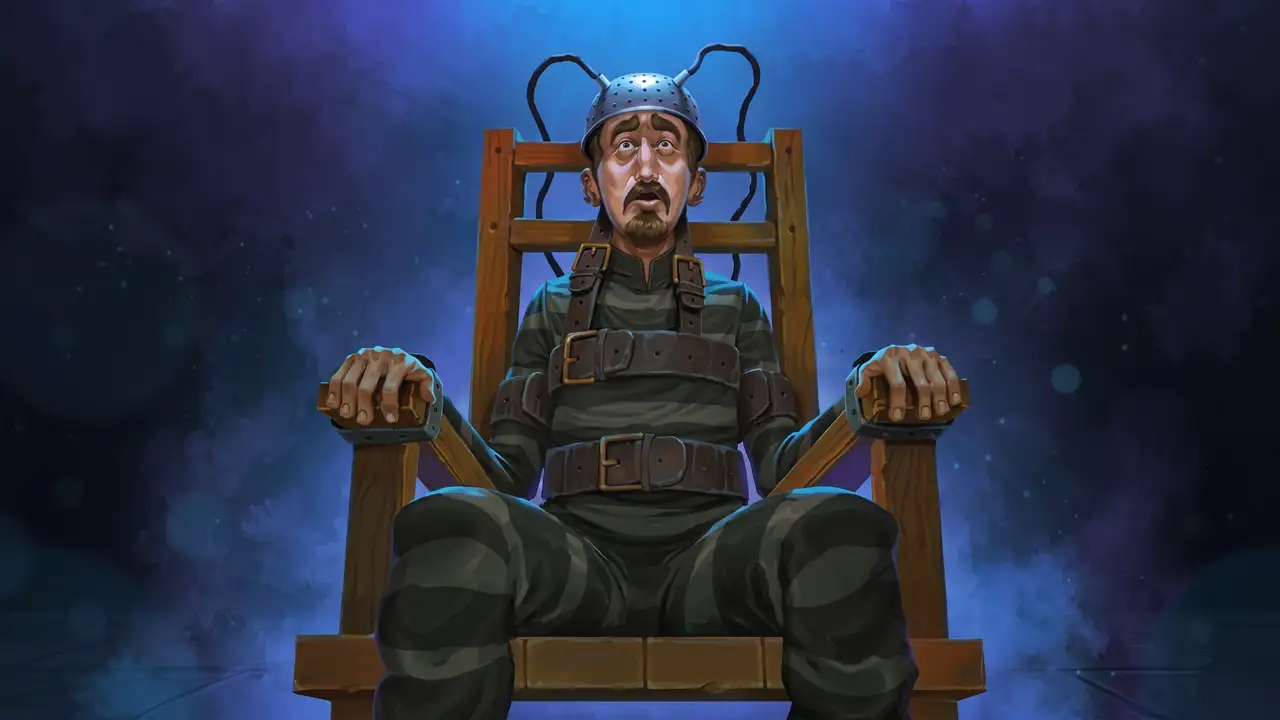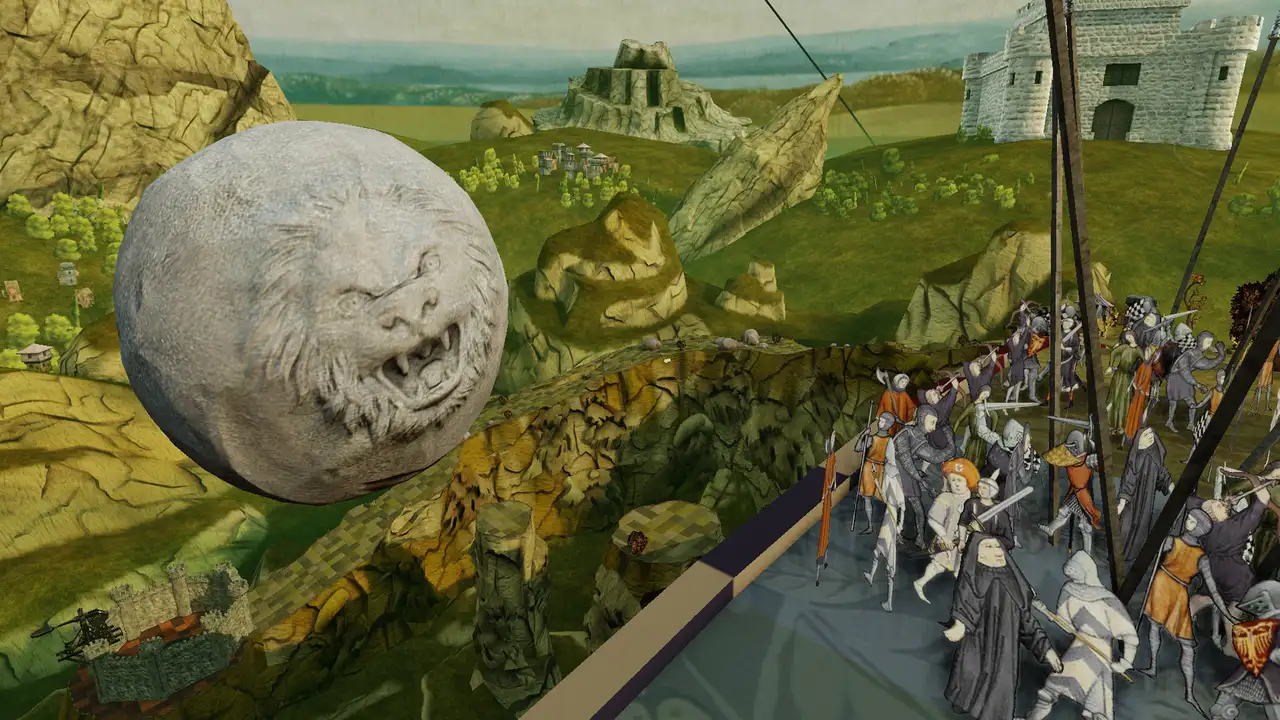
London, 1899: an investigator arrives at Waldegrave Manor to trace the disappearance of an engineer and his artist wife, both consumed by a mysterious element and the cult they hoped to master. That grim setup unfolds through legible journals and books as each room is stripped for parts, the engineer’s descent into obsession documented in handwriting that is, remarkably, actually readable. The narrative stays deliberately cryptic, never fully orienting the reader even as the tragedy clarifies, and the familiar cosmic-horror undercurrent runs exactly where series veterans expect. It is the most melancholy entry in the series and the most humane.
The dollhouse hub is the masterstroke. Solving a real room opens its miniature counterpart in the model manor, which in turn unlocks new rooms, so the geography itself becomes the metapuzzle, a dollhouse within the dollhouse. Every completed room triggers a destruction cut-scene that annihilates the furniture just dismantled, and the click-when-correct feedback, compartments popping open as solutions land, is the most satisfying in the series. No other puzzle game turns an entire house into a single mechanical lock.
The interlocking room design keeps the whole manor feeling like one continuous machine, back and forth between six-plus areas where an item found in the maritime room serves the kitchen or the study. Highlights stack up quickly: the train-model gear puzzle, the laser-and-globe maze, the pagoda circuit puzzle, a submarine dive to the wreck of the Helena, and a food-chain shell puzzle that reads like a tiny biology lesson. The variety keeps each room distinct without breaking the tactile first-person grammar of the series.
Not every solution communicates itself. A handful of puzzles hinge on hidden interactions that go entirely unsignposted: movable pieces that connect only at corners, eye positions that must be aligned with no visual hint, and a tarot-style emblem puzzle that stalls progress until brute persistence intervenes. None of these break the flow outright, but they substitute squinting for reasoning at exactly the moments the design is otherwise at its most elegant. The pagoda circuits are the clearest offender.
The single ending arrives in roughly three hours, with a compact final sequence and no branching to revisit. Structural pacing is superb, each room a self-contained escalation, though the brevity leaves little room for the manor’s secrets to breathe between reveals. The absence of alternatives is a fair trade for the tightness; nothing here pads, and nothing drags.
The null element does its usual work, driving characters toward obsession and madness with the series’ reliable blend of cosmic dread and mechanical beauty. The finale in the attic closes the tragedy on a note that is both inevitable and quietly devastating, and the withered figure waiting there earns its reveal. Returning players will find the connective tissue to the wider series intact without ever requiring homework.
Overall, this is the most inventive and bittersweet entry in the series, trading the single-object focus of its predecessors for a whole-house machine whose dollhouse-within-a-dollhouse structure remains unmatched in puzzle design. The interlocking rooms, readable journals and destruction cut-scenes deliver constant satisfaction, dimmed only by a few uncommunicated affordances and a runtime that ends just as the manor fully opens. A melancholy high note to finish on.