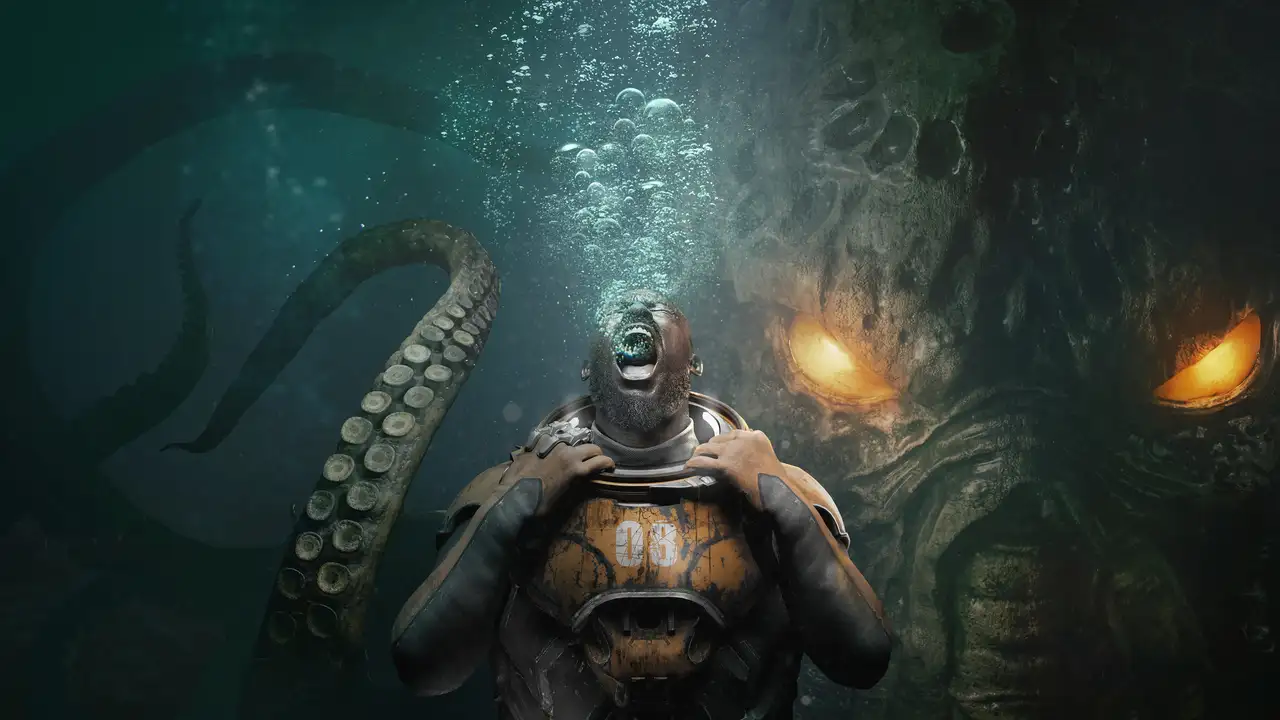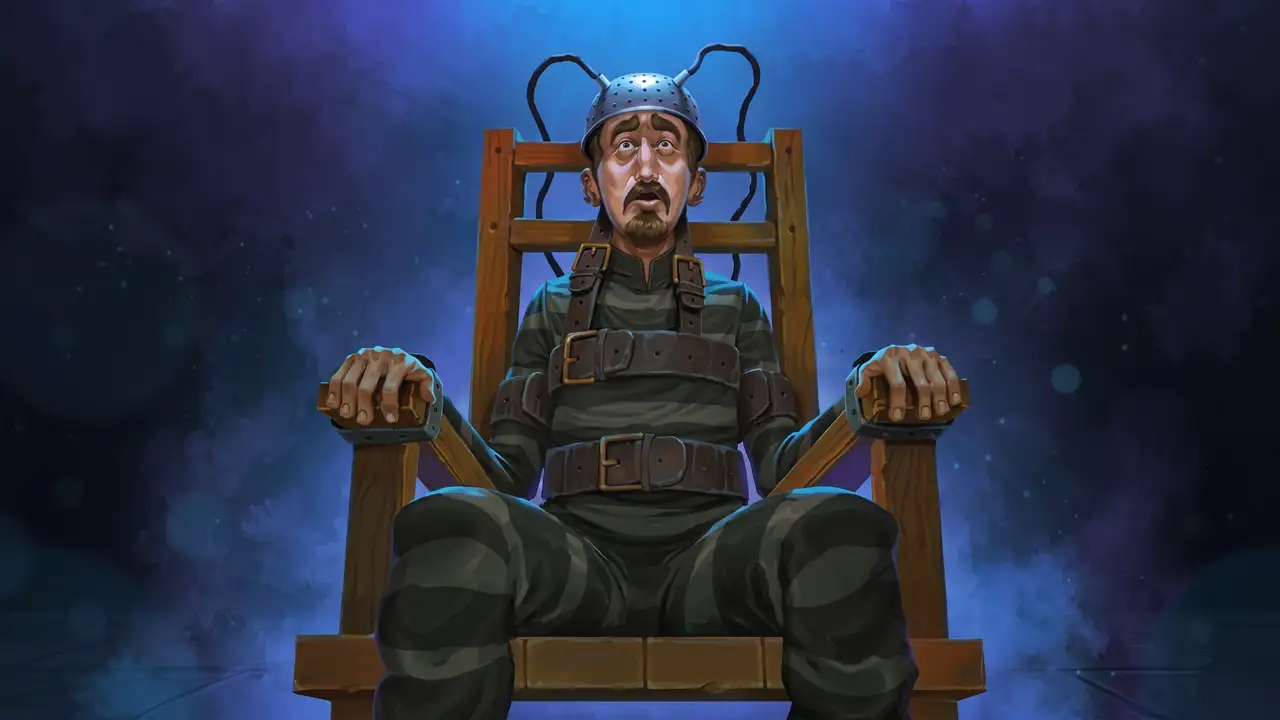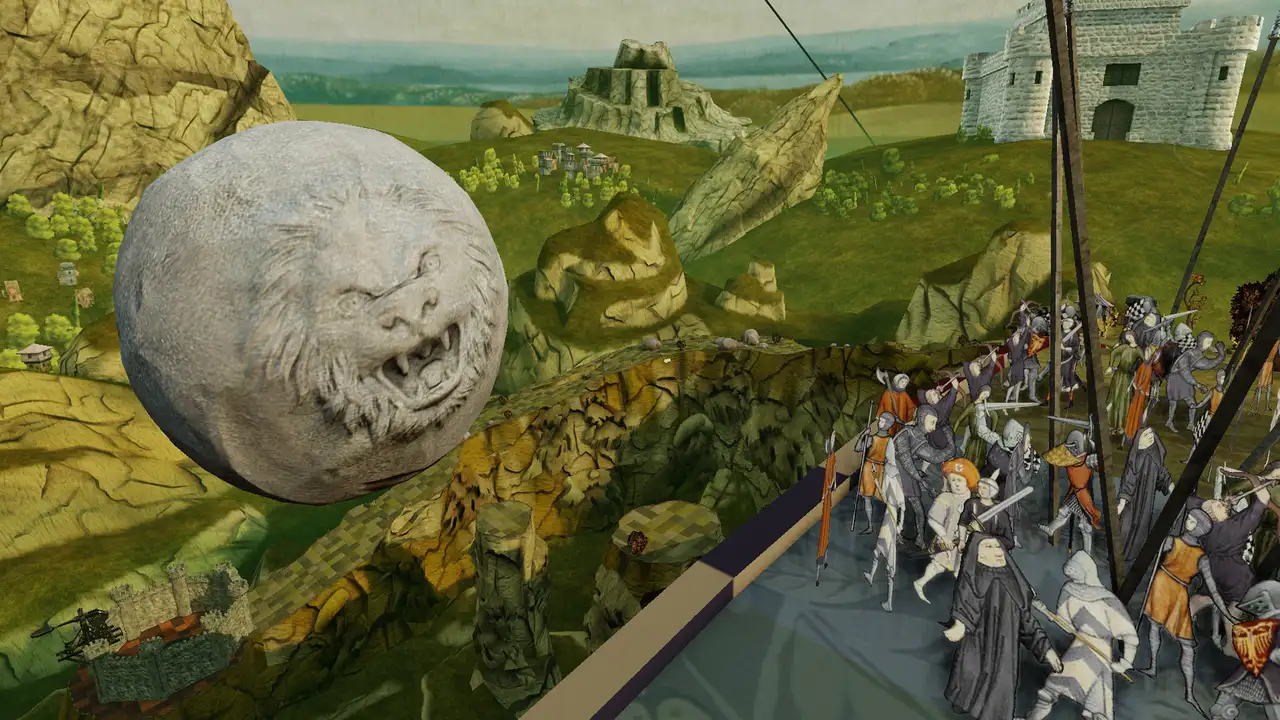
A grave robber’s briefing, a pirate captain’s log, an Aztec priestess’s lament, a fraudulent medium’s letters and a sanatorium’s experiment notes: five documents, five chapters, one converging mystery about the soul and the element that feeds on it. The null-driven lore deepens considerably here, and the reveal that ties the chapters together lands as genuine cosmic-horror world-building rather than mere puzzle dressing. The first entry hinted at a story; this one commits to one. Two hours of blind play covers all six chapters, and the pacing wastes not a single table.
Puzzle variety is the campaign’s engine. Each chapter is a self-contained diorama: the crypt’s Triforce-style keys, the ship’s nautical chase plotted across a map, the temple’s mirror-code and dagger locks, the seance’s tarot typewriter, and the laboratory’s beetle taxonomy and electric drum. Where the first game offered a single box, this one offers an entire cabinet of themed contraptions, and the range makes the shorter runtime feel generous rather than thin. Nearly every mechanism rewards turning, sliding and inspecting from every angle.
The everything-slots-together satisfaction is the series’ signature and this entry delivers it consistently. Solved components feed subsequent mechanisms, keys unlock compartments that reveal tools that open further compartments, and the chain rarely breaks. The seance’s tarot typewriter is the single most inventive puzzle, matching cards to letters with a showman’s flourish. Its letter-by-letter input, however, is as cumbersome as any interface in the series, and the chapter’s climax tests patience precisely where its design should sing.
Mouse-rotation controls remain the series’ sore spot. Rotating circular mechanisms by dragging on a mouse is imprecise, and several puzzles are derailed not by their own logic but by the interface fighting the hand. One rotating-disc puzzle overcomplicates further, lacking a reset option that would have rescued an overthought approach. Neither issue is stability-related; both are feel, and both persist from the first game unchanged.
The graphics menu defaults to very low, an amusing quirk of the game’s mobile pedigree that takes seconds to fix. The table-diorama presentation otherwise looks handsome, with the varied chapter settings giving each room a distinct material palette: bone and dust for the crypt, brine and rope for the ship, velvet and dust motes for the seance. The tactile close-up photography of mechanisms remains the series’ visual signature, and it holds up.
Story momentum is the quiet surprise. Arriving expecting pure puzzle mechanics, the unfolding null mythology hooks by the midpoint, and the sanatorium chapter’s experiment notes push the cosmic-horror angle further than any prior entry dared. The ending reframes the whole series as narrative-driven rather than toy-driven, and it sets up the sequel with genuine curiosity about where the lore travels next.
Overall, this is the entry where the series’ puzzle craft and its creeping cosmic-horror story truly click into gear, trading one impossible box for a cabinet of themed marvels that slot together with consistent satisfaction. The crypt, ship, temple, seance and laboratory chapters each earn their place, dimmed only by the persistent mouse-rotation friction and one cumbersome typewriter input. A confident, compact sequel that makes the series’ future genuinely intriguing.