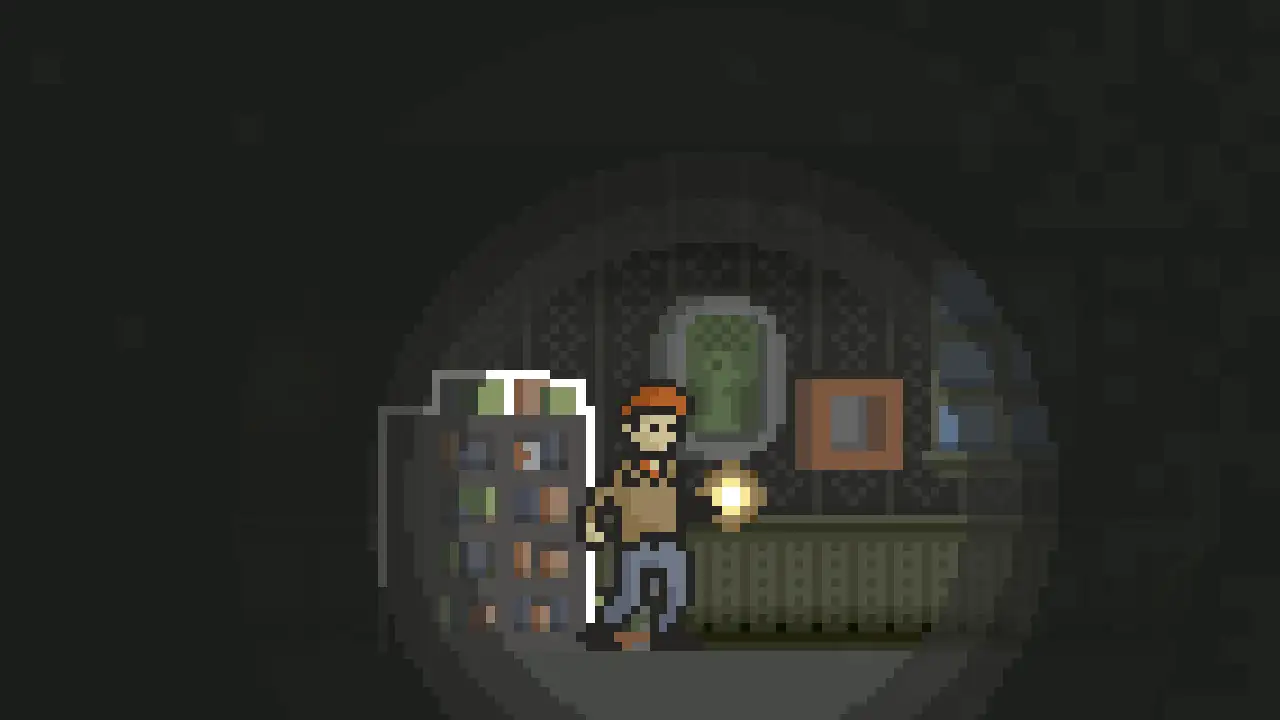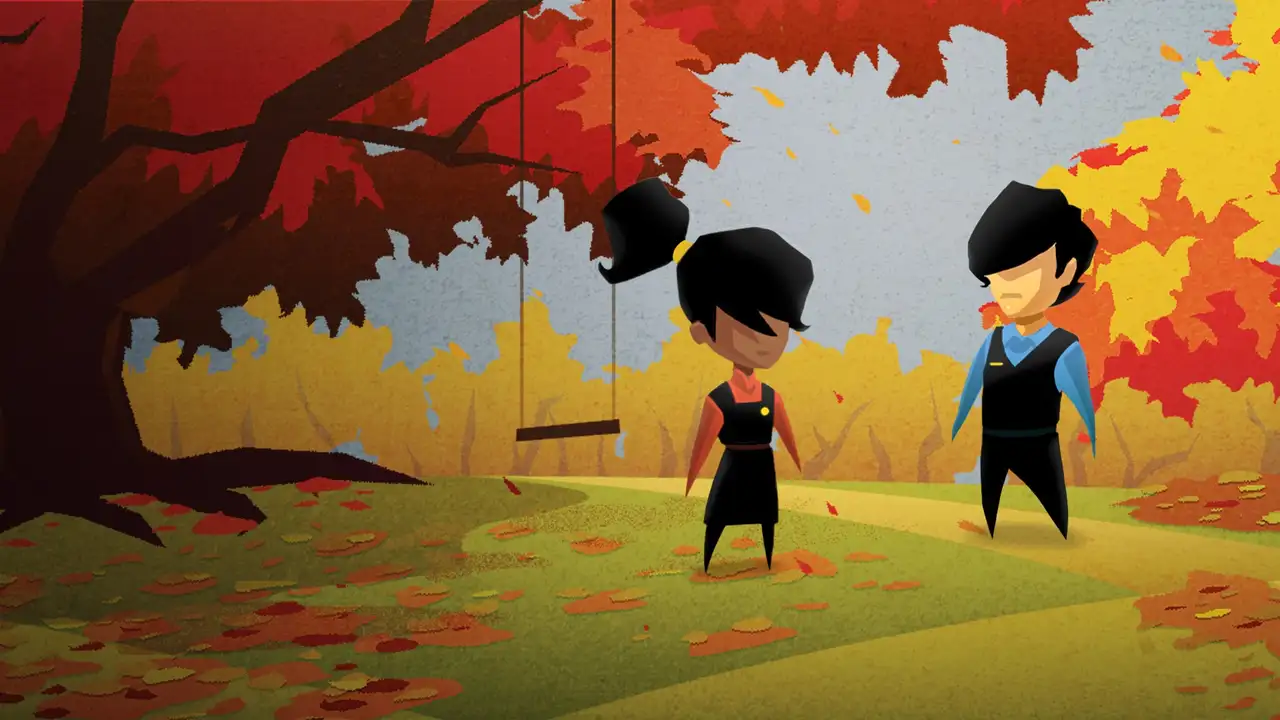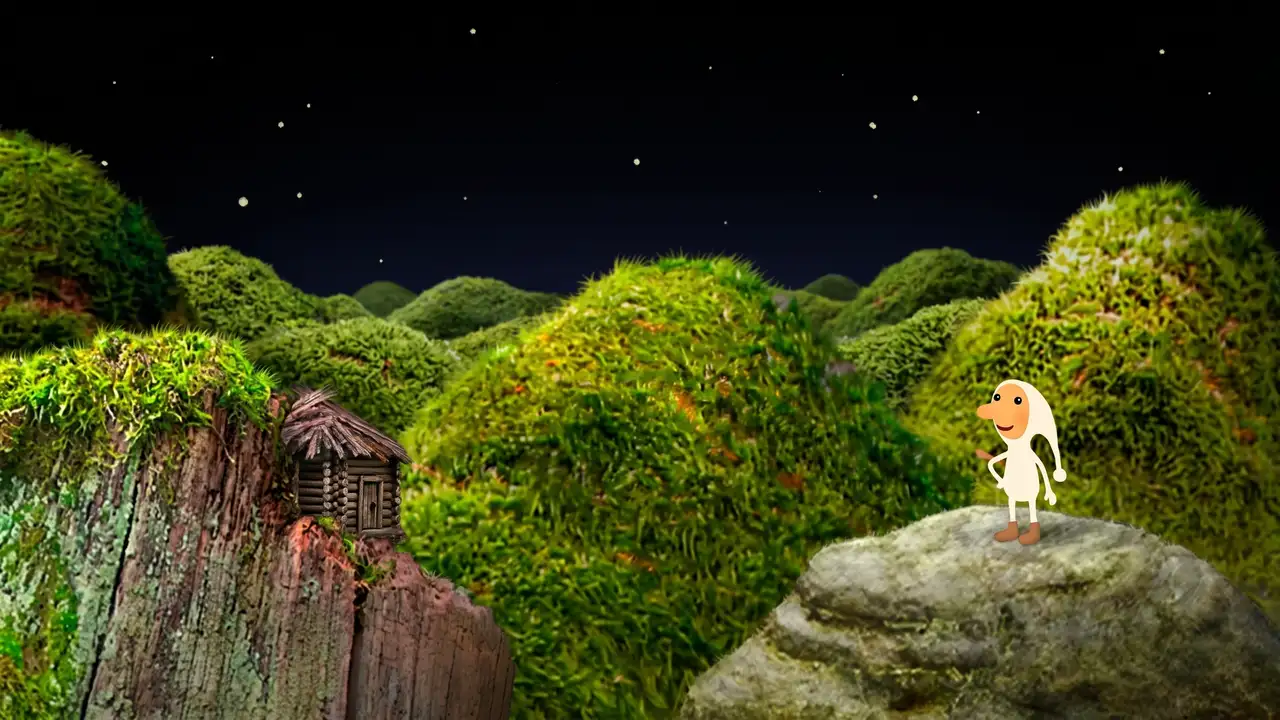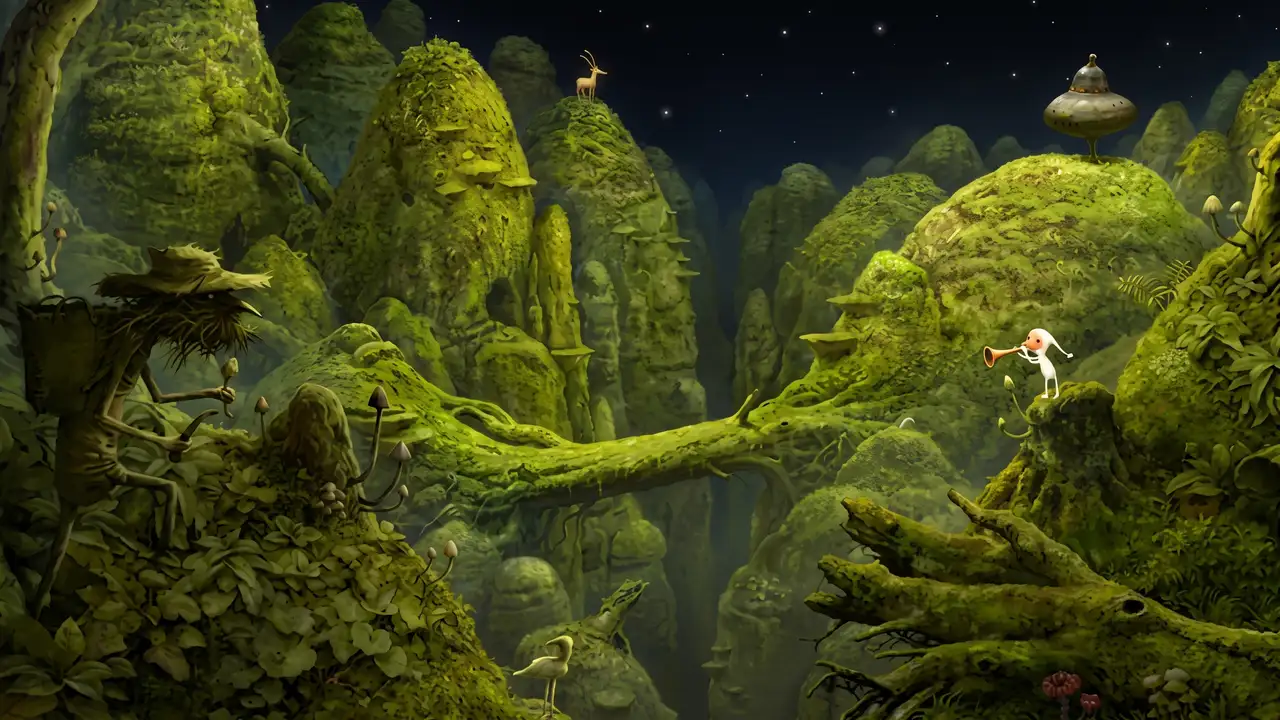
Every character, building and monster here is physically sculpted clay, animated with deliberate stop-motion jerkiness, and the result is one of the most visually distinctive games in recent memory. The smooth-but-jittery animation reads as charming rather than jarring, and the hand-made aesthetic extends to sound design and music that reinforce the storybook register. The dark fable itself runs six chapters: after the sun vanishes, the Burnt One escorts a little coal-eating flame named Pot Boy along the titular road to relight it atop Moon Mountain. It is a gentle melancholy wrapped around an eerie frame, and nothing else on the market looks quite like it.
The connective storytelling carries the experience. A deep-voiced narrator reads self-contained folk tales between chapters, shell phones deliver the vignettes, and the recurring question of who took the sun away knits the whole road together. Each chapter has its own identity: the headless citizens of Nobodyville, the grieving Mulgrim and its swamp, the frozen coal town of Cole Haven and its child thief, and the hollow Craftsman surrounded by rejected creations. The writing is dark in a way that surprises, and the tone settles from early menace into genuine melancholy by the end.
The close-eyes mechanic is the second pillar of the design. Eye symbols scattered through the world reveal hidden paths when blinked at, a thematically fitting trick evidently built around real blinking in the VR version, which leaves some curiosity about how the flat version maps to that intent. Matches burn fast and finite, candles open the paths ahead, and wardrobes provide hiding places from the crawlers that patrol the dark. Pot Boy travels through pipes and cannons to reach out-of-reach flames, and his quiet habit of sitting down to watch film reels alongside the Burnt One is the kind of detail that anchors the whole companionship.
The horror identity wobbles. The opening crawler encounter briefly reframes everything as genuine terror, an eerie-to-mortal shift within minutes, but the tension rarely holds; the Griners feel more unsettling than threatening, and hiding sequences arrive too seldom to build sustained dread. Puzzle and navigation beats add friction of a different kind: a shard interaction in Nobodyville fails at one spot for no obvious reason, the Mulgrim swamp wanders without clear direction, and one bizarre interaction works only on retry despite identical positioning. Fumbled controls, mismatched sprint buttons and a trigger that throws items instead of listening add minor self-inflicted confusion.
Cole Haven is the chapter where everything clicks. Its story of the child thief and the stolen furnace lands as the campaign’s emotional peak, dark enough to genuinely surprise, and the Craftsman’s film reels give the finale its reflective register. The dual burn/stop ending choice rewards both options: one fulfils the journey’s stated purpose, the other reframes it, and the difference is meaningful enough to justify replaying the closing scene specifically to compare. The music throughout deserves particular mention, matching the clay animation’s handmade warmth.
Difficulty is mild throughout, with no wall to hit and few hiding demands, which suits the fable even if it flattens the horror. Roughly five hours covers a full blind run including both endings, and the pacing never stalls, though the price asks a steep premium for that footprint and limited replay pull. The clarity of the vision, sculpted entirely by hand and narrated like a bedtime story with teeth, goes a long way toward justifying the investment for those who value atmosphere over challenge.
Overall, this is a beautiful, gently melancholy fable whose all-clay stop-motion presentation, affecting folk tales and quietly wonderful companion outweigh wavering horror tension, a few unclear puzzle beats and a price-to-length ratio that deserves an asterisk. It earns its recommendation on atmosphere alone.