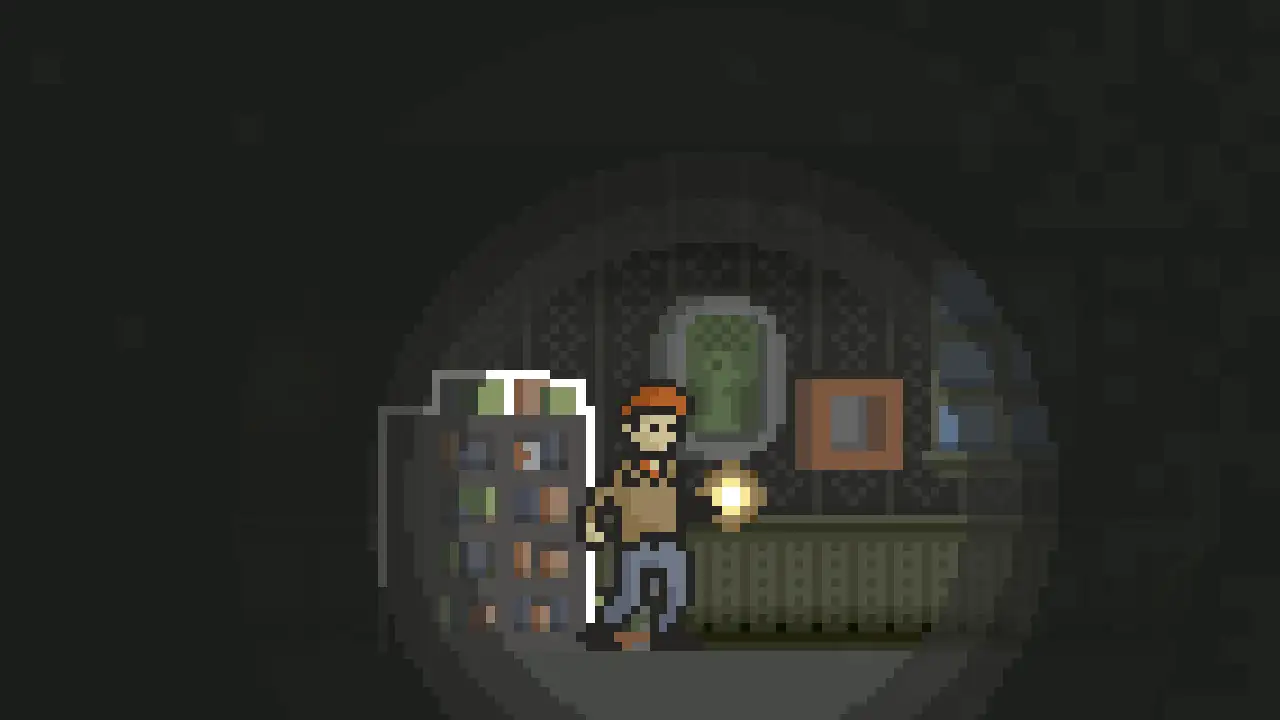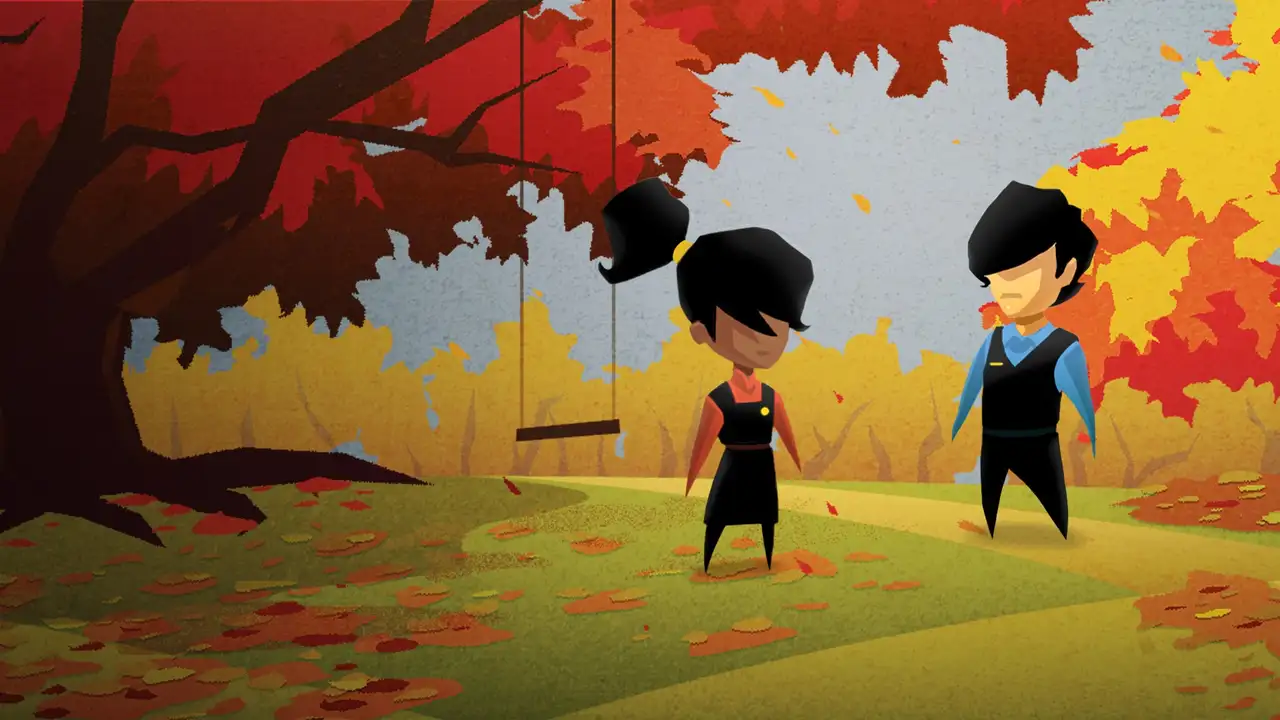
A neuroscientist in a near-future smart home watches his marriage and his memory erode at the same rate, and both decay through the same system. His wife carries a hereditary degenerative illness with a fixed prognosis, his obsession with a cure costs him everything around him, and a nanobot memory-enhancement trial from a company called Nuraxis quietly strips the past away. The game’s premise promises melodrama; the execution delivers melancholy instead, building a domestic tragedy out of voicemails, diaries and argument scenes rather than spectacle. Terminal illness, parental failure and marriage breakdown are heavy subjects, and the writing treats them with a restraint that makes the weight land harder. The register is closer to a stage play with sci-fi scaffolding than to the thriller the cover art implies.
Memory items are the mechanic and the story at once. Pairing two of them triggers a déjà-vu quantum leap into another life chapter, a system whose own logic mirrors the multiverse musings written on the walls of the game’s university flashbacks. A smart home provides the frame, its speakers and screens carrying calls from a daughter kept at a careful distance, while the leaps spiral outward into a university lecture hall, a concert crowd, an airport concourse and a final void. Few narrative games have built a structure where the traversal conceit and the thematic subject are the same idea. The pairing act itself becomes an argument about how recollection actually works.
The word-association wall is the best of the puzzle set, requiring the selection of linked terms including cure, multiverse, neurology and nanotech, and it doubles as a thesis statement for the whole story. The neurology final exam asks for answers drawn from highlighted textbook passages, grounding the fiction in real neuroscience, and the pharmacy shopping list and photo-chronology ordering puzzles reward attention to contextual clues. Number codes present more friction; the 0707 anniversary passcode teaches its lesson fairly, but codes glimpsed only once demand either luck or backtracking. The game offers branching outcomes across a handful of endings, including a 15-second decision timer late on, and it commits to every branch fully rather than treating them as flavour.
Real neuroscience sustains the fiction throughout, from hippocampus and neocortex textbook material to the trial’s memory mechanics, and the game is quietly educational without ever feeling like homework. Sitting an actual exam inside the story, using knowledge the game itself taught, is a small structural triumph. The melancholic tone never breaks for a puzzle’s sake; even the EEG re-checks, which gate progress behind a 100% brain-wave meter, fold into the medical framing. The result is a game that respects the intelligence of its own subject matter.
Navigation is the sharpest friction point. The concert, airport and final void areas offer few landmarks, and the crowd sequences in particular leave direction genuinely unclear until the right path emerges by trial. The brain-wave meter’s demand for a perfect 100% before re-checks compounds the padding impression, turning an atmospheric beat into a chore. Password puzzles that rely on information shown once create occasional dead ends of memory, ironically thematic but still aggravating. A horror-adjacent cover art sets the wrong expectation as well, though the few beats that flirt with dread, a gun case and scratched-out family photographs among them, make the mismatch almost deliberate. None of these undermine the whole, but they add drag to a structure otherwise built for momentum.
The handgun is worth singling out as the game’s boldest design statement. Picking it up early and aiming it where the cursor suggests ends the story instantly, an outcome the structure never warns about and never softens. The willingness to let a careless gesture abort the whole narrative within the first half hour earns trust for every branch that follows, and it reframes the later decision timers as genuine choices rather than theatre. Mistakes here carry consequence, which is exactly what a story about irreversible decline demands.
Overall, this is a short, affecting piece of domestic science fiction whose memory-pairing mechanic and melancholic storytelling reinforce each other at every step. The puzzles teach real neuroscience, the branching endings are treated with full commitment, and the finale lands with weight that few two-hour narratives achieve. The navigation friction and padding are real, yet the whole remains a quietly impressive achievement.