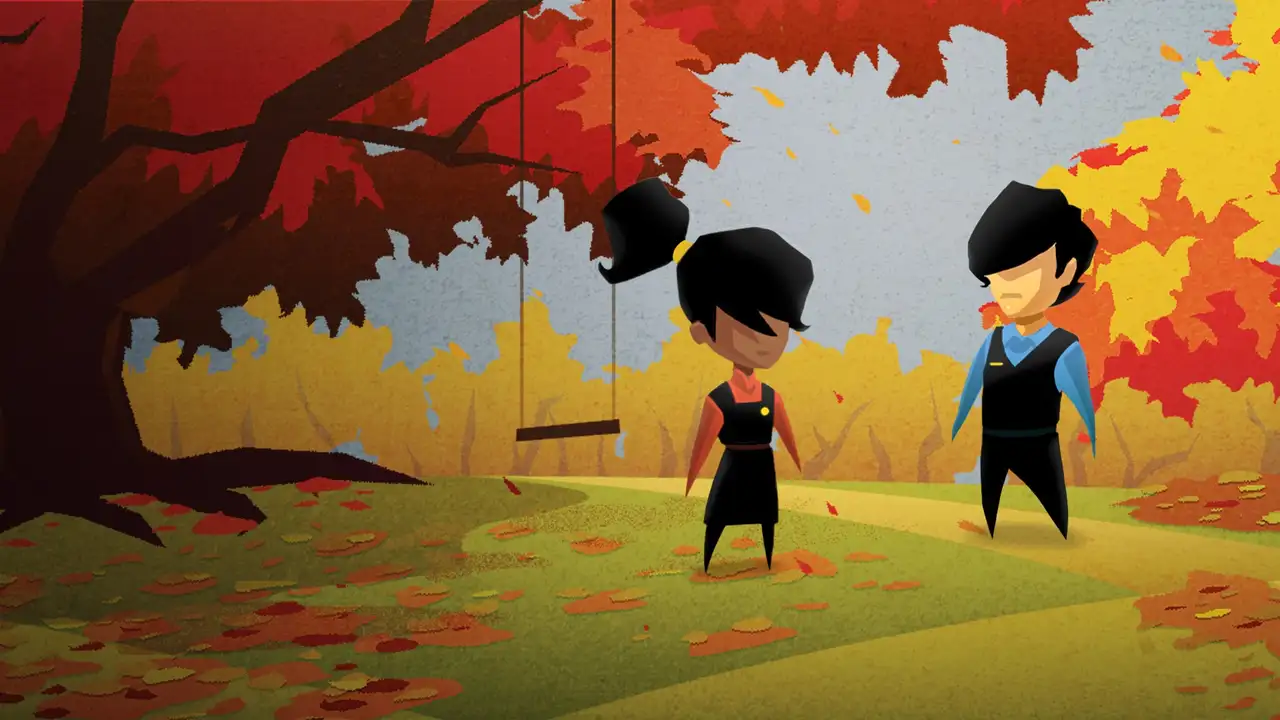
A ten-year-old runaway in search of fortune stumbles into a castle that promises wealth and delivers something considerably darker, and the fairy-tale framing is where the whole design begins. Storybook presentation wraps a genuinely grim narrative, one that dishes out Aesop-like morals alongside twists that land like proper fairy-tale cruelties. The merchant encountered on the road meets a fate that reframes the journey before the castle even opens its doors, and the trials within promise treasure while demanding considerably more. The tone sits between storybook morality and quiet dread, closer to a Grimm cautionary tale than a conventional horror game. Combat simply does not exist here, and the design is all the better for its absence.
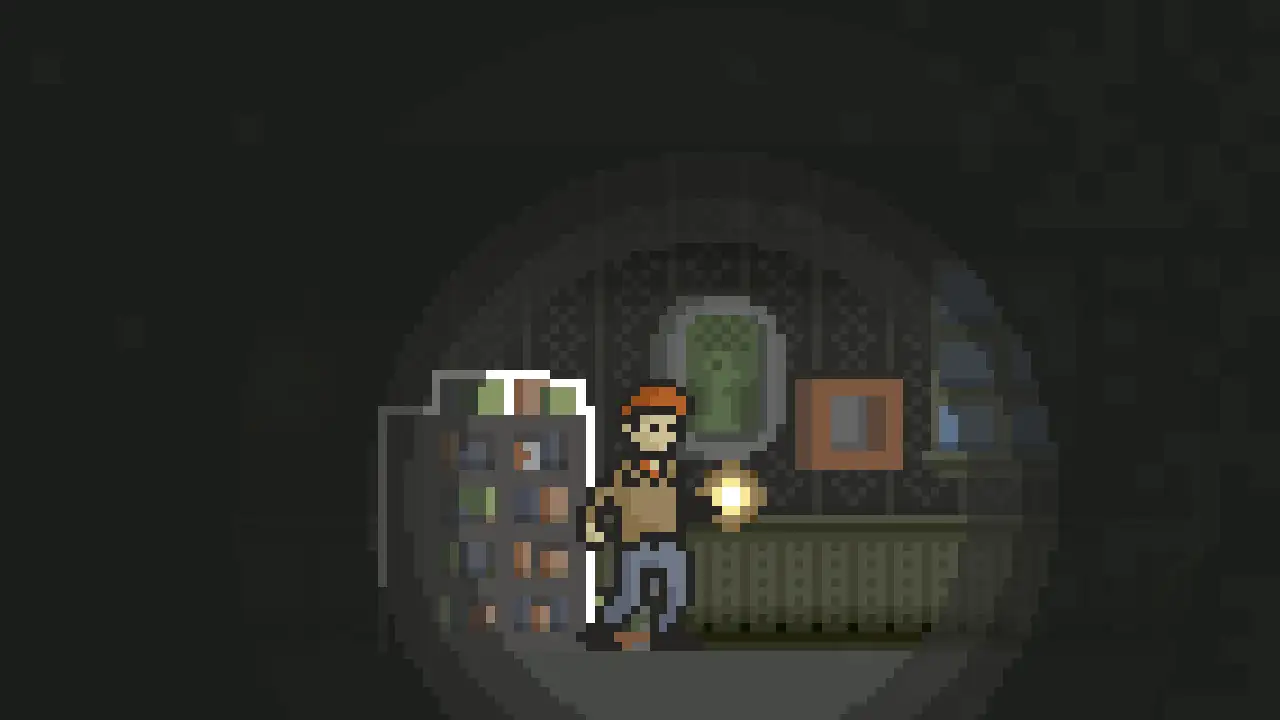
Candle placement drives the atmosphere, lighting corridors ahead of unseen threats and doubling as the game’s primary resource decision. Whispers drift through the dark, breathing sounds close the walls in, and after nightfall the wildlife outside turns hostile with glowing eyes and possessive intent. All of this lands without a single combat encounter to fall back on, which is the design’s central statement: threat in this castle comes from what cannot be fought, only avoided. The survival feel is genuine despite the top-down perspective and picture-book visuals. Atmosphere, not mechanics, carries the horror.
The raven fountain anchors the save system, with gold coins spent to bank progress in a manner deliberately reminiscent of ink-ribbon saves from classic survival horror. Every save is a decision about when to spend, and every death an argument for having spent more carefully. One-hit deaths make the tension real rather than cosmetic, and the coins double as the currency for other castle services, forcing genuine resource triage. A “good treasure hunter gets the biggest loot while minimising risks”, as the game itself puts it, and the entire economy is built to test that maxim.
Eight name letters are collected across colour-keyed rooms, threading a collecting objective through the castle’s trial structure alongside environmental puzzles of water-for-fire logic, crate pushing and code breaking. Feeding animals yields rewards that soften the survival economy, and the fountain’s letter puzzle rewards observation, or a camera photograph taken of its order for the pragmatically minded. The five-ending structure is the payoff, branching by choice rather than by chore: loading an earlier save and deciding differently is all the mechanism required. Hunting down each conclusion stays satisfying precisely because the game respects the choice, not the grind.
The servant enemies’ vacuum attack produced the game’s worst moment, a damage loop between two patrolling servants with progress unsaved that nearly ended the run entirely. A later gauntlet fetching a required library book while servants patrol and no food remains is close to impossible through stealth alone and effectively demands brute force. Puzzle rules occasionally stay opaque, with the trap-room, the clock and the invisible-servant switches solvable by trial rather than understanding. Movement is slow with no sprint, though the modest map size keeps that tolerable. Controller support through Steam Input failed outright until keyboard remapping, a setup headache worth flagging. None of these friction points sink the experience, but together they add a layer of roughness a tighter pass would have smoothed away.
The father’s absence back home gives the boy’s search for fortune a melancholy undertone that the castle trials exploit ruthlessly, and the snake ring encountered late reframes what the reunion inside the castle actually was. Revealing more would spoil a twist that lands with genuine force precisely because the story plays its fairy-tale hand completely straight. The ending scenarios carry the same moral register, each a small parable about greed, obedience and forgetting. It is rare for a game this compact to close with writing that continues to resonate after the credits.
Overall, this is a distinctive and quietly confident fairy-tale survival adventure whose candle-lit atmosphere, coin-based save tension and choice-driven five-ending structure more than compensate for opaque puzzle rules and the occasional unfair gauntlet. The storytelling is genuinely dark in the way the best fairy tales are, and the decision to build dread without combat proves inspired. A short, memorable piece of Spanish indie design that rewards patience.