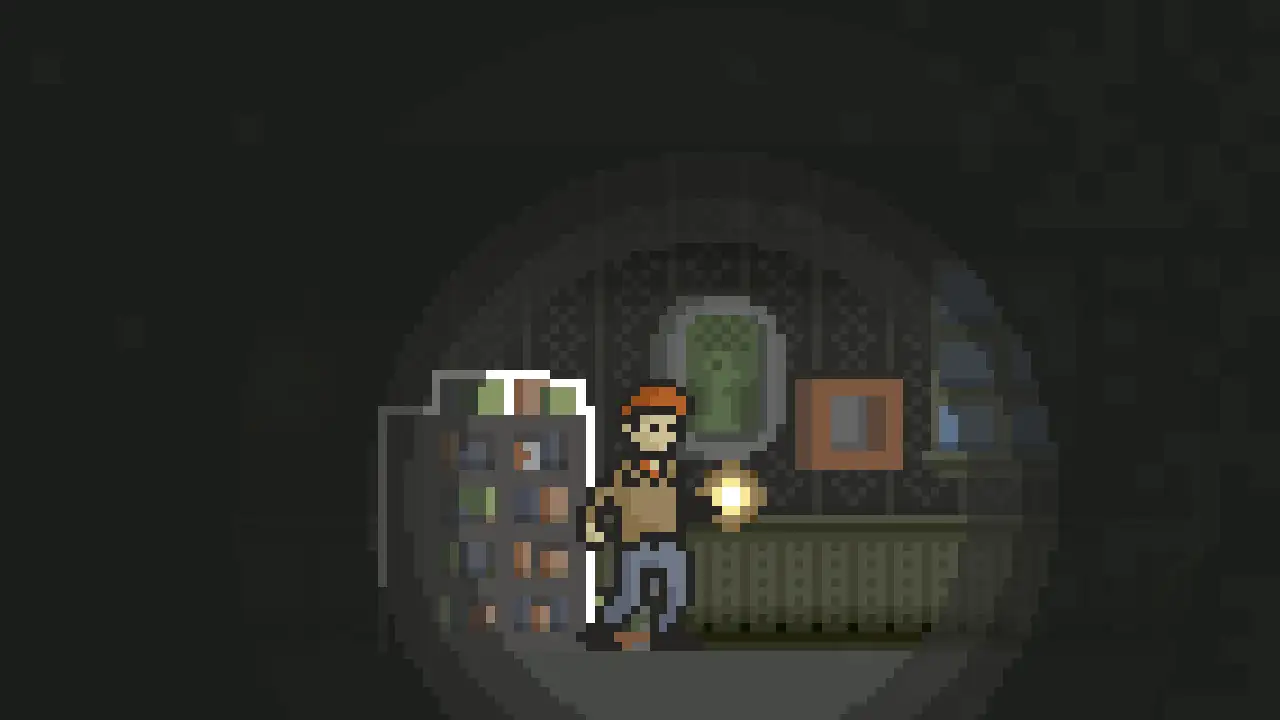
Movie-licensed shooters rarely earn goodwill, yet this side-story cast as John Connor on a rescue mission into Skynet territory plays it straight and largely gets away with it. A bleak post-Judgement-Day Los Angeles provides the backdrop, all burnt-out resistance outposts and machine-patrolled roads, with a sincerely delivered theme about the sanctity of every life running underneath the gunfire. The licence is honoured rather than exploited, down to the Terminator theme threading through the score. The opening arrives brutally, killing named characters within minutes, and sets a tone of genuine peril that the campaign sustains. What could have been a cynical cash-in instead plays as a compact, competent war story.
Cover-based shooting in the Gears-of-War mould drives the combat, with blindfire, grenade throws and deliberate flanking of skeletal endoskeletons forming the vocabulary. Health regenerates only out of combat, a fair compromise that keeps firefights tense without punishing exploration, and teammates hand over ammunition when supplies run dry, keeping the momentum unbroken. Flanking is taught early and rewarded constantly; standing behind cover and trading shots gets an agent nowhere against a machine that does not tire. The combat loop is simple but correctly weighted, demanding aggression at the right moments rather than patience.
Pipe bombs open the set-piece catalogue, wired into scripted ambush points that punctuate the on-foot missions, and turret emplacements take over whenever the story needs a change of rhythm. The drivable Harvester segment steals the show entirely, handing the controls of a hulking machine-killer to the player for a stretch that feels genuinely powerful. A resistance outpost ambush and the Harvester-steering finale bookend the campaign’s escalation with escalations of their own. The variety is the surprise here: a two-hour movie tie-in packs more mechanical texture than shooters several times its length bother to attempt.
Turret rail segments alternate with the on-foot missions to give the pacing a rhythm, and the structure never lingers long enough for any single idea to curdle. The trade-off is that the same ambush scripts repeat constantly: flanking tutorials reappear, pipe-bomb set-pieces recur, and the “just run” escape sequences blur together by the midpoint. Enemy variety compounds the repetition, with drones, spiders, skeletal Terminators and little else filling the bestiary. The campaign moves fast enough that the recycling rarely turns fatal, but the seams are visible throughout.
No sprint button and no crouch baffle from the first mission onward, an odd omission for a cover shooter that so often wants the player to reposition quickly. The pre-rendered cutscenes age badly on PC, visibly produced for earlier console hardware and arriving at a resolution the platform deserves better than. Launch and checkpoint problems interrupted progress intermittently, and the credits arrive abruptly after the finale with no epilogue to soften the stop. An Alienware laptop product placement appears for no narrative reason whatsoever, looking exactly as goofy as that sounds. These are blemishes rather than wounds, but they accumulate.
Progression systems are entirely absent, with no upgrades, no stealth option and no reason to replay once the credits roll, a sparseness that explains much of the game’s rough contemporary reception. As a pure linear romp the structure works, but the absence of any secondary hook means the campaign is exactly as long as its content and not a minute more. The cast beyond Connor is functional rather than memorable, with resistance comrades defined by their willingness to share ammunition and little else. None of this damages the core loop; it simply leaves the whole feeling thinner than its best moments deserve.
Overall, this is a brisk, punchy and pleasantly surprising licensed shooter whose set-piece variety and tight pacing outweigh its brevity, repetition and technical roughness. The combat loop is correctly weighted, the Harvester segment is a genuine highlight, and the whole thing respects its own premise more than most tie-ins manage. Judge it as a single-evening romp rather than a full-priced epic and it delivers exactly what it promises.