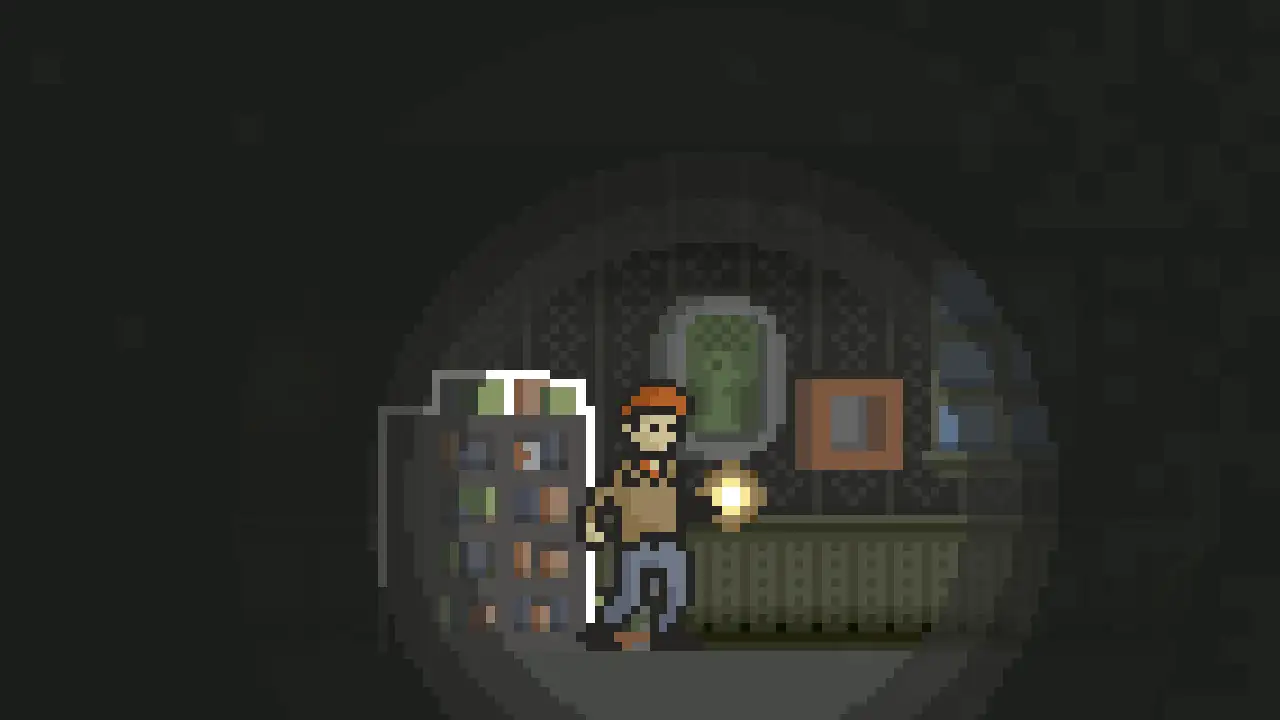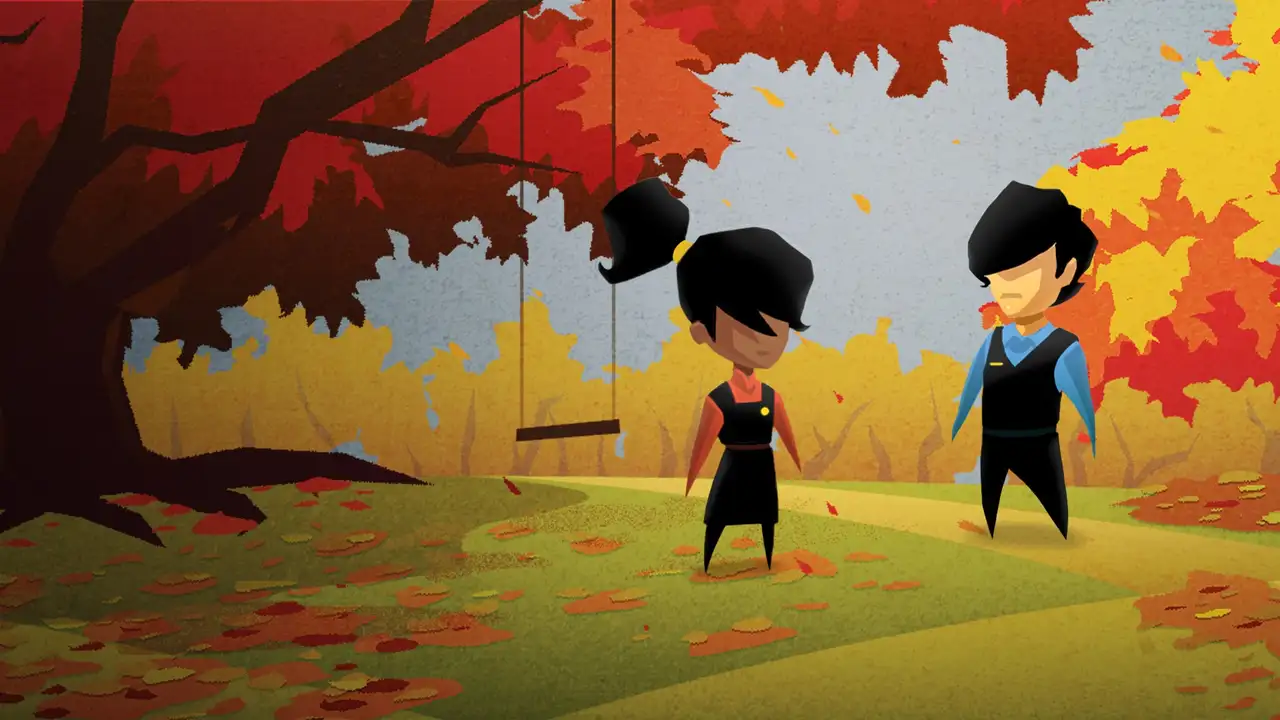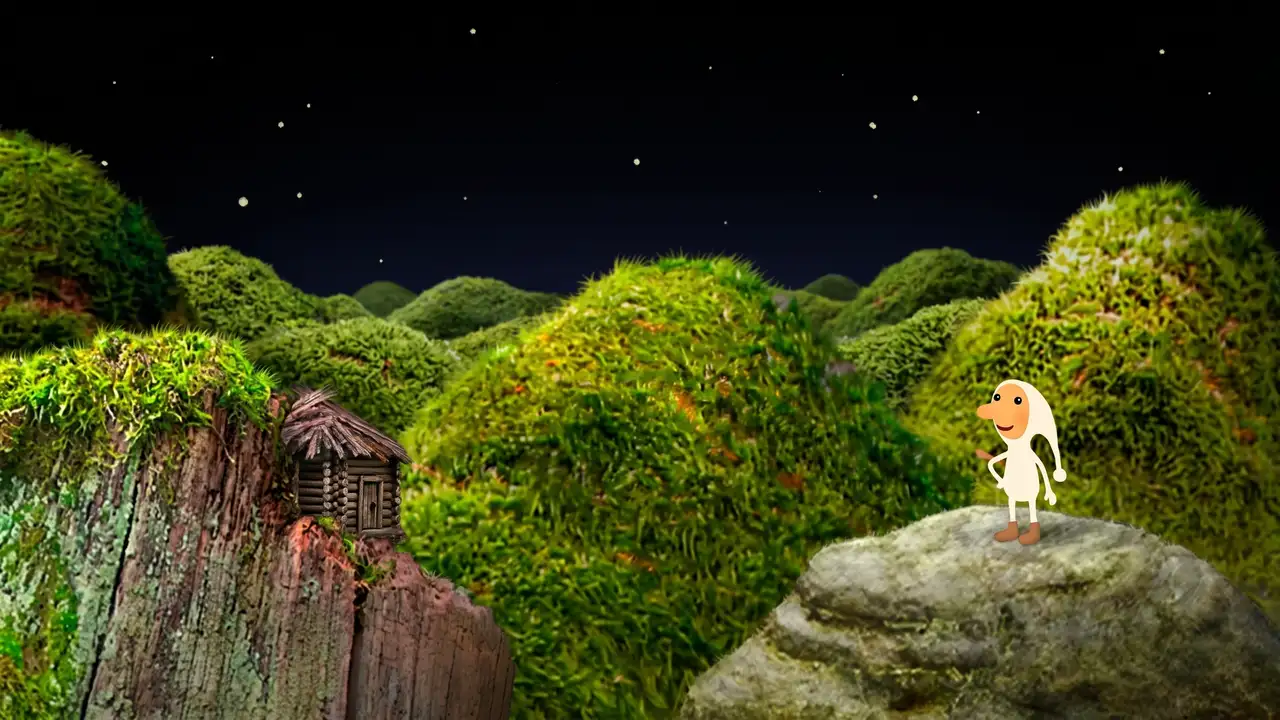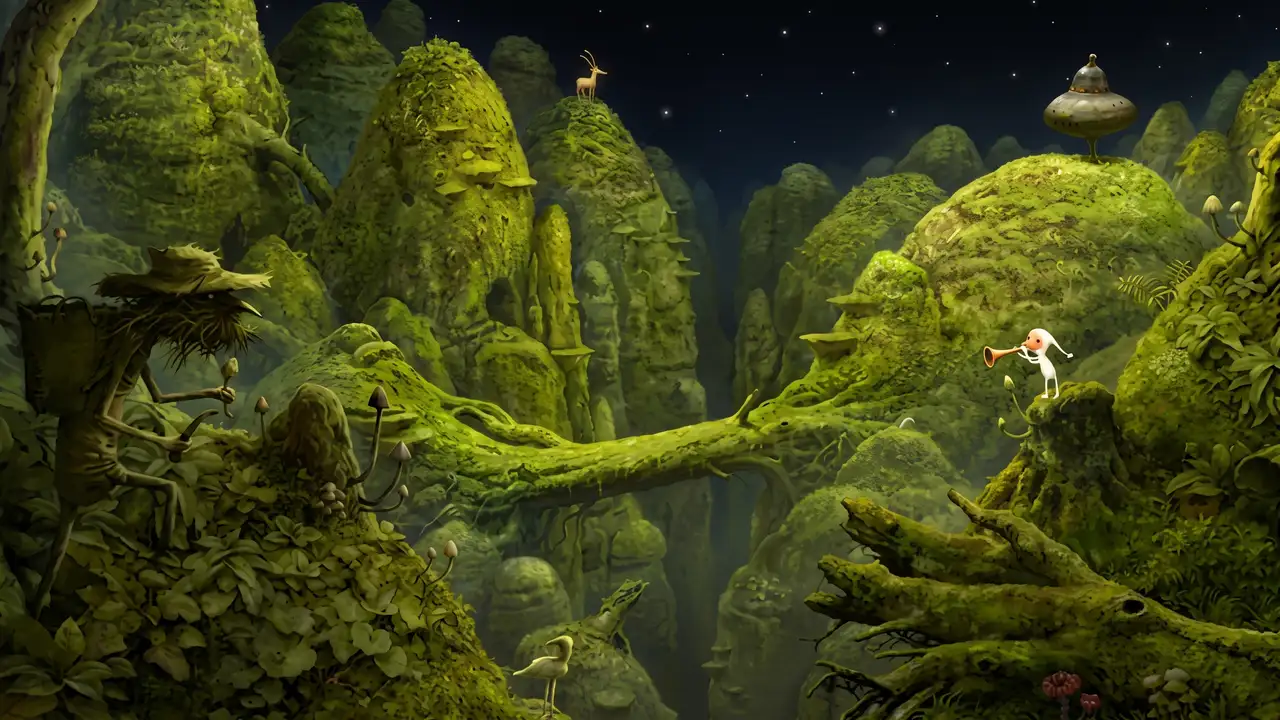
A small light restores itself across a wordless, painterly world of floating hubs and corrupted creatures, purifying what it meets and growing stronger with each assimilation. The tone owes as much to Journey as to any action game, and the pacifist tinge runs deep enough that defeating a boss can feel oddly sad; the first gorilla boss looks like it only wanted to play, and the game never resolves that guilt. Everything glitters, every zone is a painting in motion, and the atmosphere is the reason to be here even before the combat clicks.
The colour-matching parry is the design’s core. Parrying in the same colour as the attacker fills the energy bar and heals, while the wrong colour merely blocks, which makes the heal-on-parry loop forgiving without draining the tension. Energy funds a spirit-bomb burst and stunnable abilities, including a dash-attack, a stun and a balance-mode dual parry, and shards and hidden energy orbs upgrade the toolkit. attacking is possible alongside parrying, which dispels any early worry that the whole game is dodge-and-wait. Bosses who fall are assimilated, taking their forms, extra arms included.
Boss design splits its phases into separate fights rather than repeated gauntlets, a structural choice worth praising on its own. The pure-parry duel is a highlight, a fight built entirely from parries, and the multi-phase structure keeps escalation honest. Not every boss communicates: the illusion boss baffles, its rules never explained enough to fight cleanly, and the final boss stacks marked attacks, screen-obscuring goo and chaos colour-shifts into the campaign’s hardest push. The sword-wielding regulars are the only regular enemies that feel unfair.
Completed areas lock permanently, and the lockout is the game’s worst structural decision. Missed energy orbs become unrecoverable the moment a zone is finished, which kills any desire to hunt collectibles at all and sours an otherwise generous progression, one that hands out enough to max every ability, satisfying and slightly anticlimactic in equal measure. The chaos attacks of the final act complicate the two-colour rhythm by throwing in a third, a curveball that frustrates more than it challenges.
Technical performance wobbles. The game chugs in places, consumes more CPU than anything else played despite low GPU usage, and hard-crashes twice at the same hub transition, once badly enough to reset the system; weaker hardware struggles even earlier, which points to optimisation rather than any single system. Control mapping fights muscle memory: attack sits on the trigger where most games put it on a face button, and dodge sits where attack usually lives, a self-admitted disorientation that is not the game’s fault but stings anyway. Tutorial prompts scroll too fast to read at a pivotal moment, leaving a key mechanic half-explained at exactly the wrong time.
The five-to-six-hour runtime suits the material. Difficulty is moderate, the heal-on-parry design keeps sustained fights forgiving, and the assimilation hook, becoming the boss defeated, gives each victory a bittersweet edge no other game quite manages. Eggs per hub unlock the next area, keeping the world linear but clean, and the final act’s difficulty push, however frustrating, gives the parry loop a real test it has earned.
Overall, this is a beautiful, mechanically tidy parry game whose colour-matching combat, painterly world and assimilation hook outweigh locked-off areas, chaos-attack frustration and two hard crashes on the way out. Easy to love almost unreservedly, with the caveats clearly named and survivable.