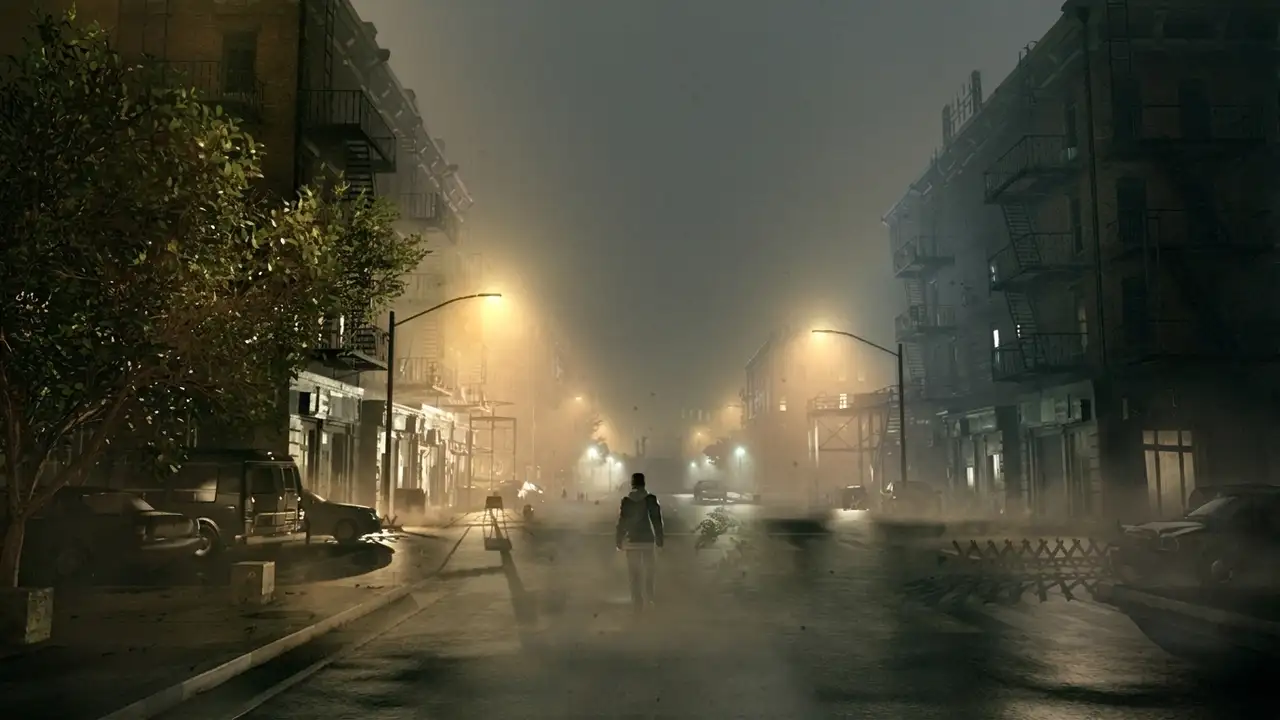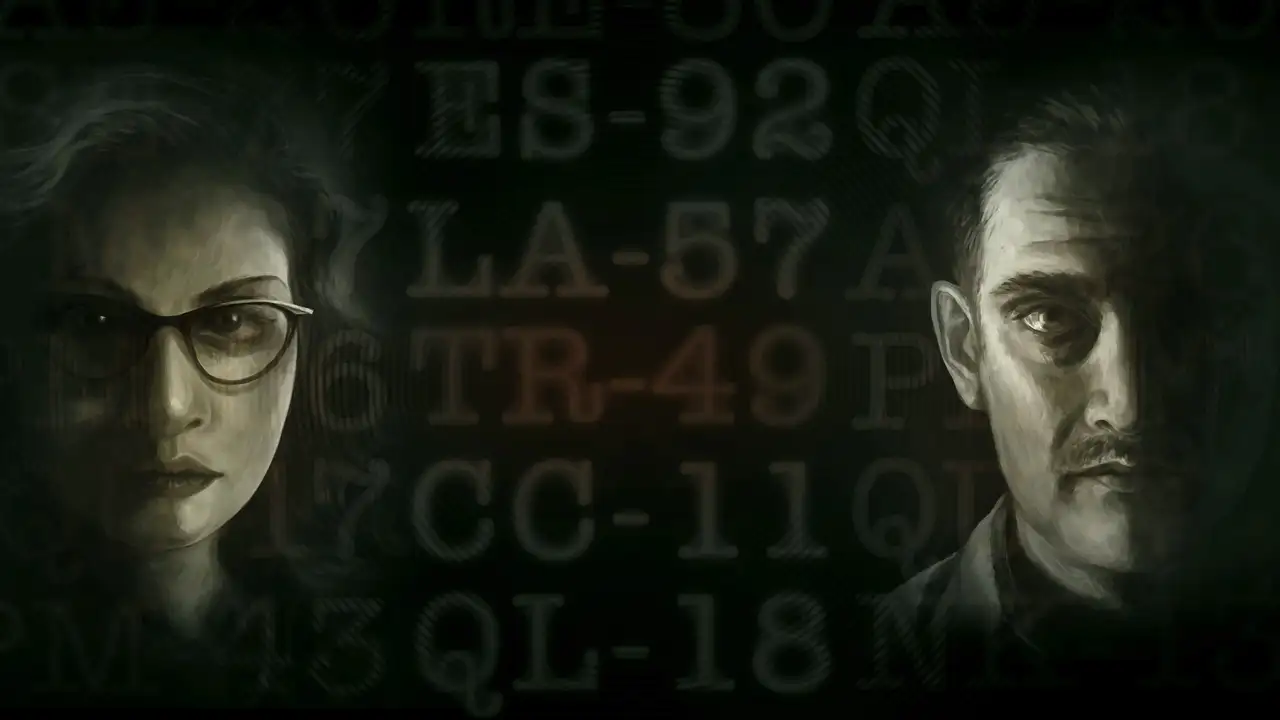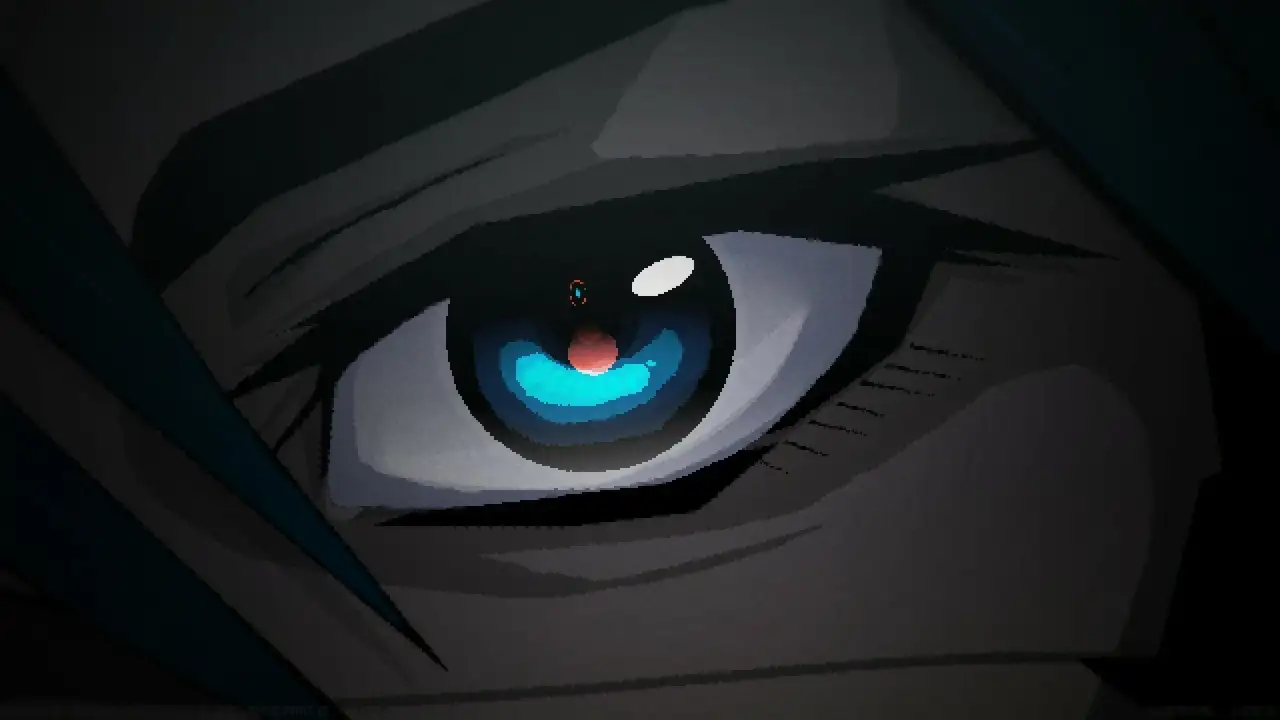
A totalitarian dystopia runs on android labour, cosmic horror bleeds through the walls, and reality itself is slowly corrupting. Signalis wears its late-90s survival horror influences openly, and the lineage is affectionate rather than derivative: item-based healing combinations, burnable corpses, key hunting and tank-style tension all trace directly to classic Resident Evil, while the flesh-corrupted later half descends into full Silent Hill otherworld territory. The presentation mixes pixel art with 3D in a gritty, distinctive look that bears repeating, and the oppressive lore documents (unit known-issues files, facility memoranda) build a world that feels genuinely lived in.
The survival horror loop is executed at a level the genre has rarely matched since its heyday. Explore, find keys, manage a tiny inventory, fight or evade the resurrecting dead, and solve environmental puzzles. The downed-but-not-dead kick-to-finish returns, and thermite flares burn corpses permanently, making resource choices genuinely strategic. Encounters reward multiple approaches: running past enemies is riskier but viable, and rooms can be handled in ways that never require a single kill. The combat is scarce, deliberate and tense throughout.
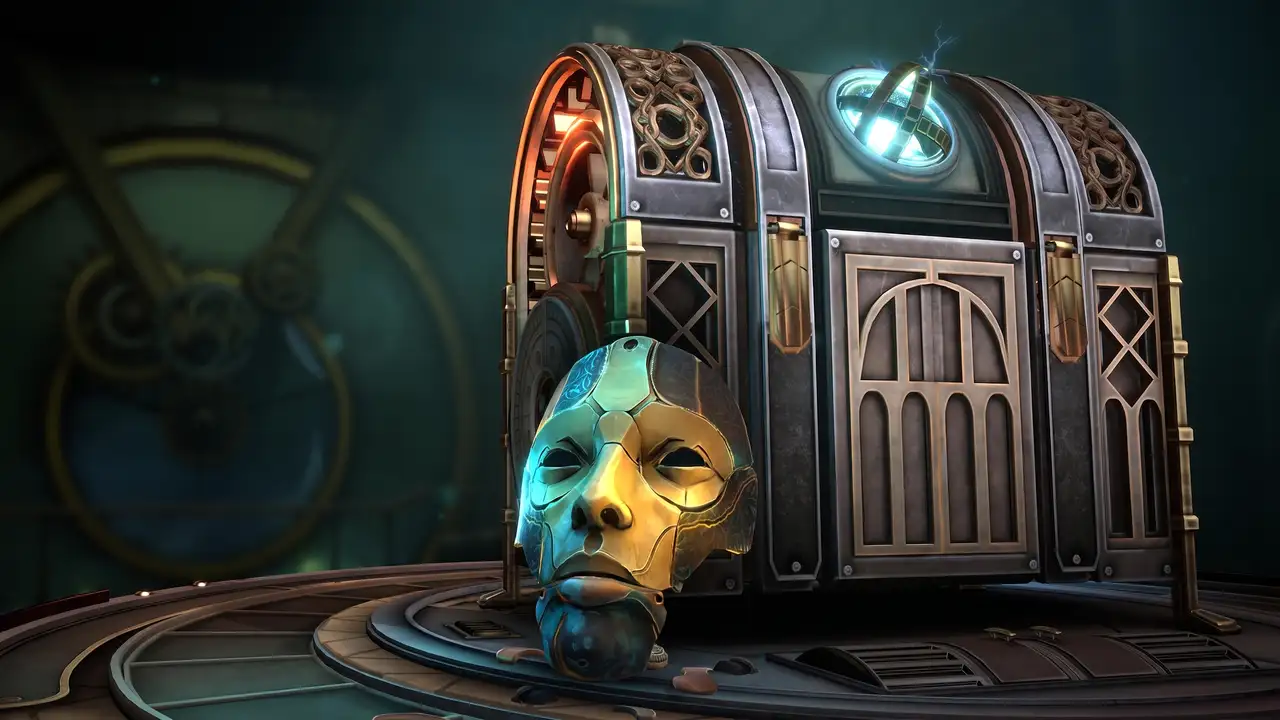
The radio-frequency puzzle system is genuinely novel. Tuning frequencies to unlock safes, doors and codes appears nowhere else in the genre, and the system’s integration with the dystopian setting (transmissions, propaganda, signals) gives it thematic weight beyond cleverness. The reservoir’s tank-equalisation maths puzzle, the tarot-card and planetary alignment puzzle, and the final lockbox with nested Russian dolls and celestial rings round out a puzzle roster that ranges from arithmetic to archaeology. A few head-scratchers arrive without in-game guidance, but most reward patience fairly.
The Nowhere chapter is the campaign’s highlight. The flesh-corrupted descent into that area turns the game fully Silent Hill-esque, and the atmosphere comparison lands precisely: vented, oppressive, wrong. Two bosses, the Miner and the final Falke fight, are challenging but fair, with the closing encounter a genuine doozy that tests everything learned. The twin-sun setting and radio transmissions contribute to a cohesive atmosphere the story earns by its end, with the decaying repeating cycle landing as the late-game’s structural payoff.
The six-slot rule-of-six inventory is the campaign’s biggest friction. Constant trips to storage boxes interrupt pacing, and the limitation bites hardest in the mid-game when item variety peaks. The enemy respawn system is opaque and inconsistent, occasionally resurrecting a cleared room and occasionally not, with no readable rule, and the caution it produces is unease by confusion rather than design. Neither problem sinks the campaign, but both test patience in a genre that already asks for it.
Brightness and colour output break on Switch. Several sections are nearly unplayable at default settings, with the screen washed out until brightness drops to zero, and the opening puzzle is literally being able to see. The problem is platform-specific and fixable, but it sours first impressions badly. An occasional bug where the shotgun aims directly into the sky adds oddity to the technical complaints, though nothing else in the build misbehaves.
The game is more tense than scary, a register choice that suits the cosmic-horror material, and the story’s emotional core stays at arm’s length until the arc coheres by the end. At roughly nine and a half hours on Normal, the campaign is complete without overstaying, and the stats screen’s saved-and-killed tallies reward a second run with different approaches. The love-letter identity is earned through craft rather than reference alone.
Overall, this is a modern survival horror classic that faithfully channels its influences while standing entirely on its own, with the art style, the oppressive atmosphere and the fight-or-flee encounter design earning the genre’s history rather than copying it. The cramped inventory, opaque respawns and broken Switch brightness are real flaws, but the radio-frequency puzzles and the Nowhere descent make it an easy recommendation.