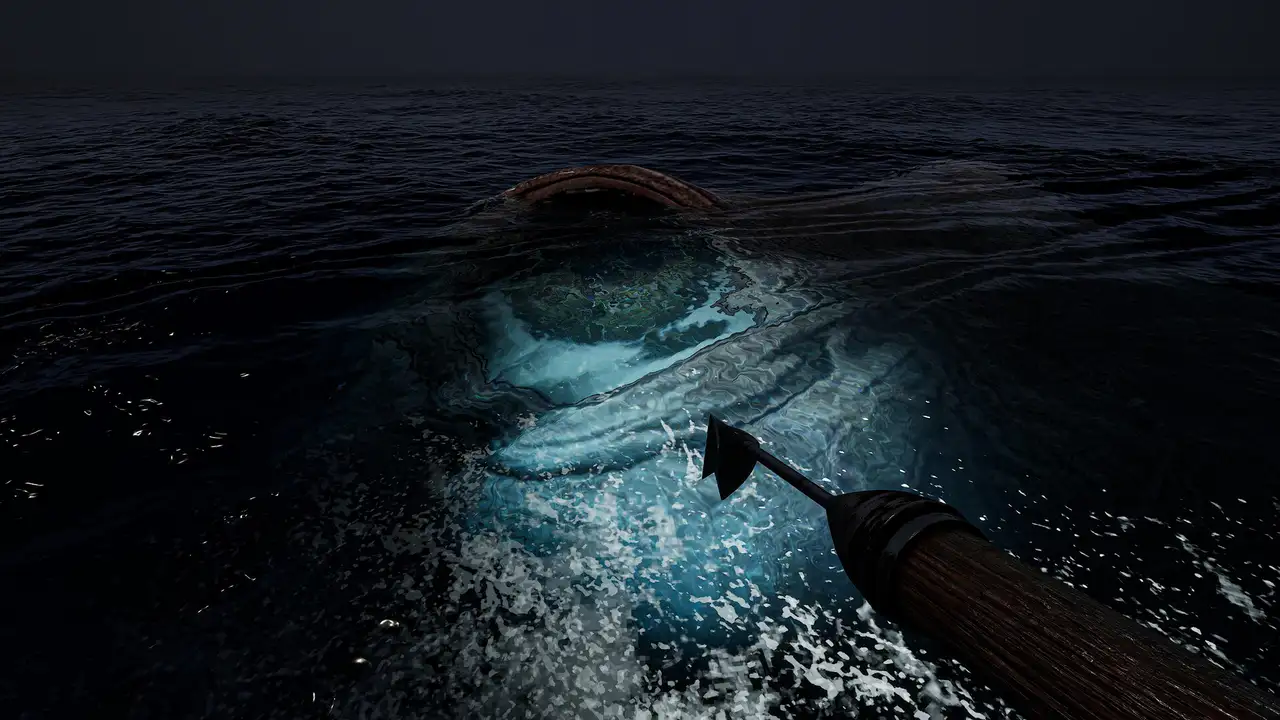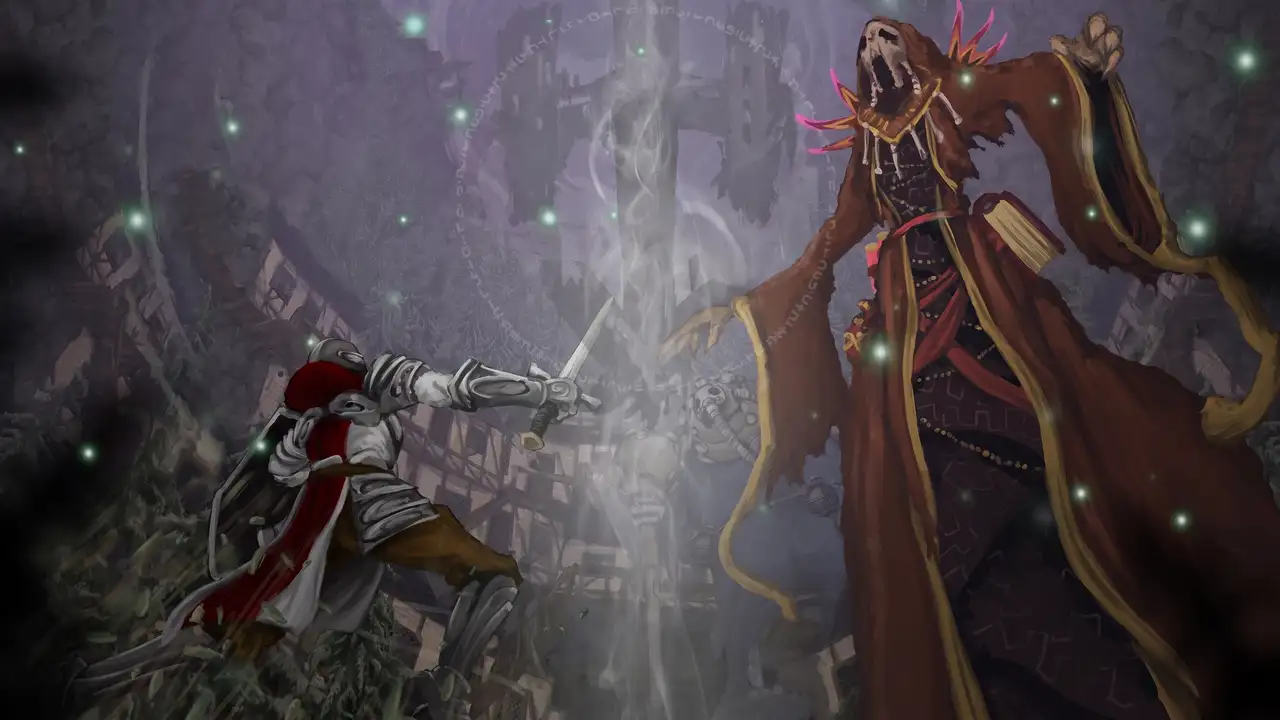
A grim fantasy realm of Inquisitors hunting magic-corrupted mages provides the frame for a 2D soulslike built entirely around the chase, and the mage-hunt loop is the hook no other game in the genre attempts. Picking a quarry from a tome of fates, pursuing them across a sprawling region while their summons harry, then triggering a boss fight once enough damage is done turns every encounter into an extended duel. Fated hunts refresh as dailies, a design the structure never explicitly teaches, and nameless mages hide as stronger variants. Enemy-on-mage interference can trivialise a fight entirely, in the best possible way. Twenty-one mage bosses across the campaign give the formula endless texture.
Weapon crafting is generous to the point of build-changing, and stumbling into a glaive mid-run rewrites an entire progression from katana and rapier into something that plays like a scythe but better. The crafting and spellmark loop rewards experimentation without demanding dedicated farming; killing a boss and its minions usually funds a full armour set outright. Compared with the hunting games it borrows from, the grind is deliberately peripheral to progression. Builds pivot mid-campaign without punishment. The generosity is a genuine design statement.
The salt-drop-on-death system is inconsistent in ways that occasionally steal real progress, with salt spawning at the bottom of unrecoverable kill pits rather than on the platform fallen from. Late areas punish falls hardest, with no fast travel to soften the loss. Untelegraphed off-screen and homing mage attacks are the sharpest recurring complaint, letting an enemy hit from beyond the visible screen during a hunt. Traps and respawning enemies ambush mid-chase with little warning. Stat scaling reads as nonsense against genre convention, though picking the biggest number works in practice.
The final climb shifts into surreal cosmic-lore territory that intrigues rather than confuses, and NPCs each carry small backstories that texture the world between hunts, from a guiltless-shard knight to a book-loving scholar whose fate is predictably mad. Boss health persists at partial values between attempts, and unpredictable flask counts complicate planning. A steady power curve sees the mid-game terror of new regions become endgame one-shot territory by level 120 with maxed gear. The difficulty sits comfortably below the predecessor’s most punishing moments. No boss matches the worst of the first game’s roster.
Optional areas reward thoroughness, including a hidden hill, a rune-secret pumpkin set and an update area tucked into the keep, giving the sprawl genuine density. The campaign spans five multi-hour sessions with heavy backtracking, a commitment the hunt structure justifies but never hides. The devour-the-sacrifice ending choice lands with fitting absurdity. As a sequel, it plays as its predecessor’s systems with a hint of monster-hunting structure layered on top. The formula works, and the finish leaves the whole journey feeling worthwhile.
Dreadstone Peak marks the difficulty’s steepest climb, where hits land hard enough to punish under-preparation before the power curve catches up, and Elder Copse and Hallowed Hill close the geography with falls that punish hardest of all. A village-lore passage about pursuit without ceasing captures the world’s grim tone better than any cutscene. The dungeon-crawling texture of dread and spectacle that defines the genre is present throughout, and the hunt structure keeps even routine traversal feeling purposeful. Few sequels manage both scale and momentum this consistently.
Overall, this is a sprawling, hunt-driven soulslike whose mage-chase loop, generous crafting and satisfying power curve outweigh untelegraphed attacks, inconsistent salt rules and scaling opacity. It has problems, and none of them are denied, but the momentum carries everything. A solid, distinctive entry in the genre that rewards build tinkering and patience in equal measure.