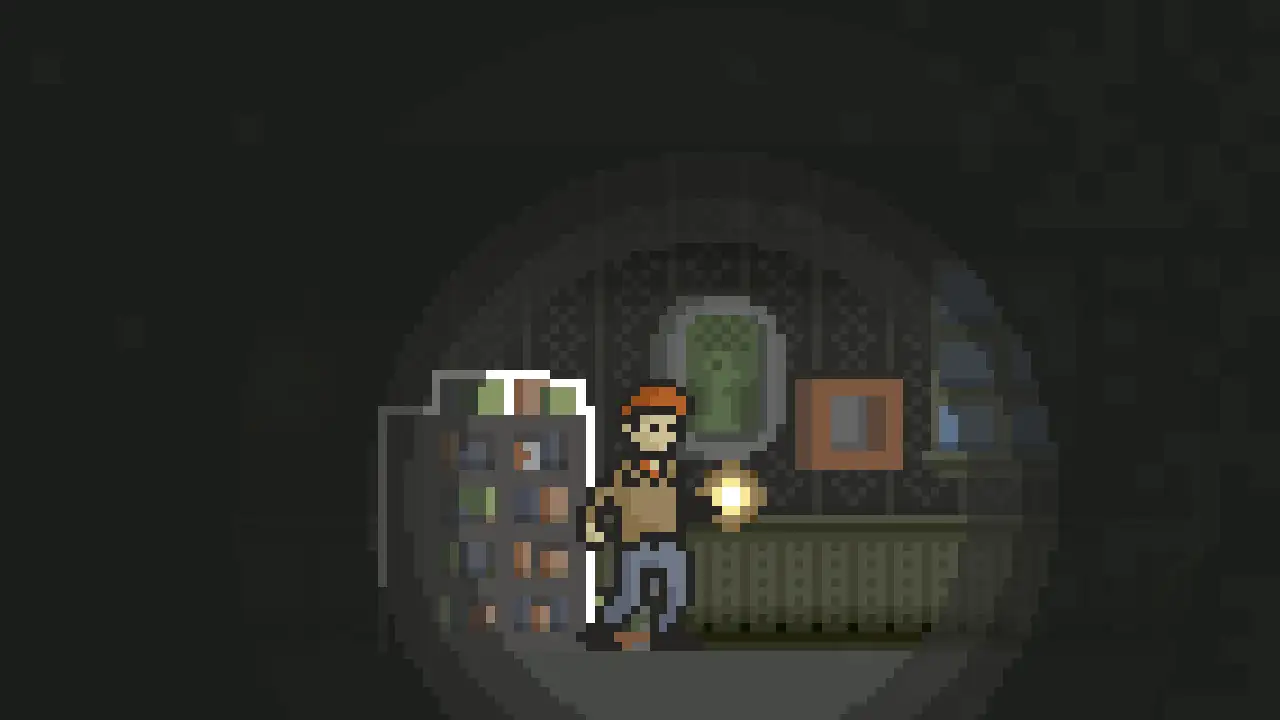
An ex-cop working an organ-harvesting ring through a casino town’s poker nights is a premise that should not cohere, yet this noir adventure makes the absurdity work. The town’s grimy casino-underside atmosphere carries the whole campaign, all neon and sweat, with a case that escalates from routine tailing into a conspiracy reaching the mayor’s own suite. A Zelda-meets-noir indie mould shapes the top-down exploration, and the gambling conceit runs deeper than set dressing: organs become chips, confessions arrive through a playable high-stakes table, and the city’s elite sign contracts for immortality in legalese-heavy documents worth reading twice. The writing aims for dark comedy and mostly hits. Few indie adventures commit this hard to a single sordid vision.
The mayor’s poker table is the campaign’s centrepiece, a full playable minigame woven directly into the infiltration plot. Solving the case at the card table while actually playing the cards is a clever structural marriage of story and system, and victory demands nothing more exotic than refusing to fold. The pizzeria tail, the Copper Nugget and the laundromat each layer investigative texture onto the trail, and a dance sequence provides an unexpected change of register midway through. The soiree and police-tie equipment juggling adds mild comedy to the stat system. As narrative integration goes, the gambling frame is genuinely inventive.
RPG stats on equipment (endurance, luck, intelligence) juggle alongside inventory weight management, while Mac Daniels whiskey bottles serve as item-based healing and ragdoll-prone thug brawls reward aggressive play. XP and levelling frame the progression, and the fetch-loop investigation structure tracking suspects through town keeps the early hours moving. Save-scumming between the two endings is fully sanctioned by the design, letting a botched outcome become a learning experience rather than a punishment. The blue bird branch and the good ending reward different choices at the close. Two playthroughs of the finale cost little thanks to the save system.
The Dr Von Wallenstein final boss is the campaign’s clear low point, an exhausting bullet-sponge that hurls hazards indiscriminately and tests patience rather than skill. Generous ammo drops soften the ordeal without making it interesting, and the encounter stands as a stark contrast to the tightly judged combat elsewhere. The rat-combat XP grind near the end compounds the tuning problem, with enemies dropping negligible experience against ballooning level requirements until the economy feels pointless. Neither flaw is fatal to the whole, but both arrive in the closing stretch where their damage concentrates.
Tonally the comedy scatters, laughing out loud at a villain’s bodybuilder-inflected monologue one moment and groaning at a haiku-spouting laundromat keeper the next. Wordy legalese dialogue and deliberately obtuse NPC phrasing add texture for some and friction for others. Inventory and wayfinding friction recurs, with unclear navigation encouraging backtracking through already-cleared streets. A kidney cooler reveal and a victims list drive the mid-run escalation, and the laundromat mask puzzle briefly stalls momentum before the story rescues the mood. The rough edges are real, but they read as scrappy rather than careless.
Charlena threads through the investigation as the most memorable supporting presence, and the betrayal waiting in the branches of the ending choice gives the conspiracy a personal sting. The contract document discovered in the mayor’s suite rewards close reading, and the notary’s absurd name lands as its own quiet joke. Choices at the close carry real weight, with the wrong call arriving as a genuine gut-punch rather than a mere variant. The finale proves the writing was the campaign’s true engine all along.
Overall, this is a scrappy, funny noir adventure whose conspiracy plot and playable poker infiltration outshine its rough combat tuning and an unfortunate final boss. The gambling-as-investigation conceit is genuinely clever, the atmosphere earns its sordidness, and the branching endings invite a second visit without demanding one. Rough edges remain throughout, yet the story’s pull carries the experience comfortably over them.