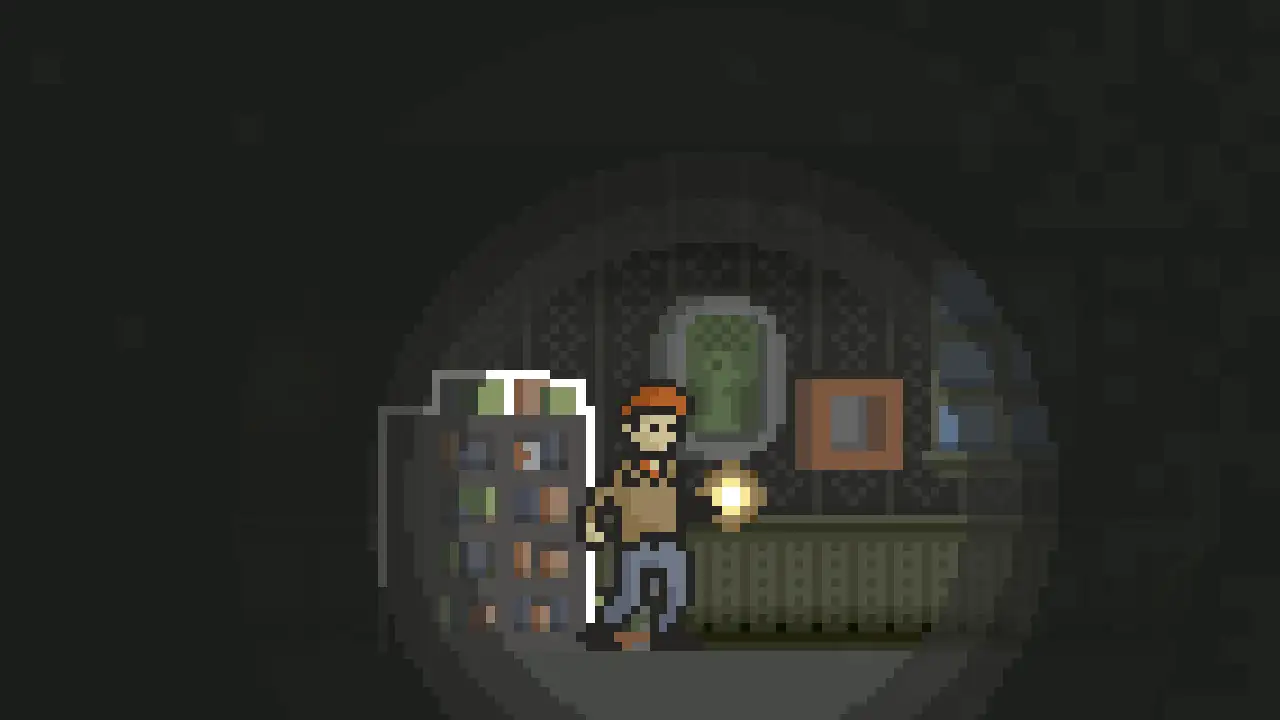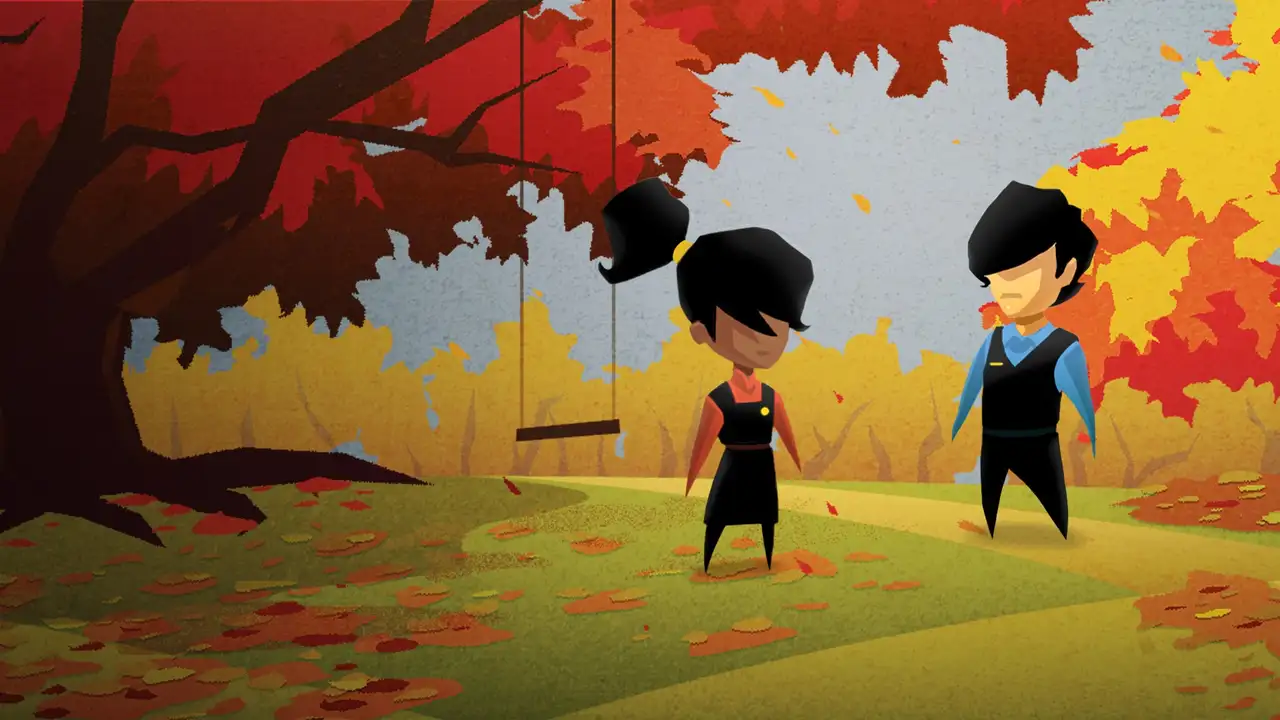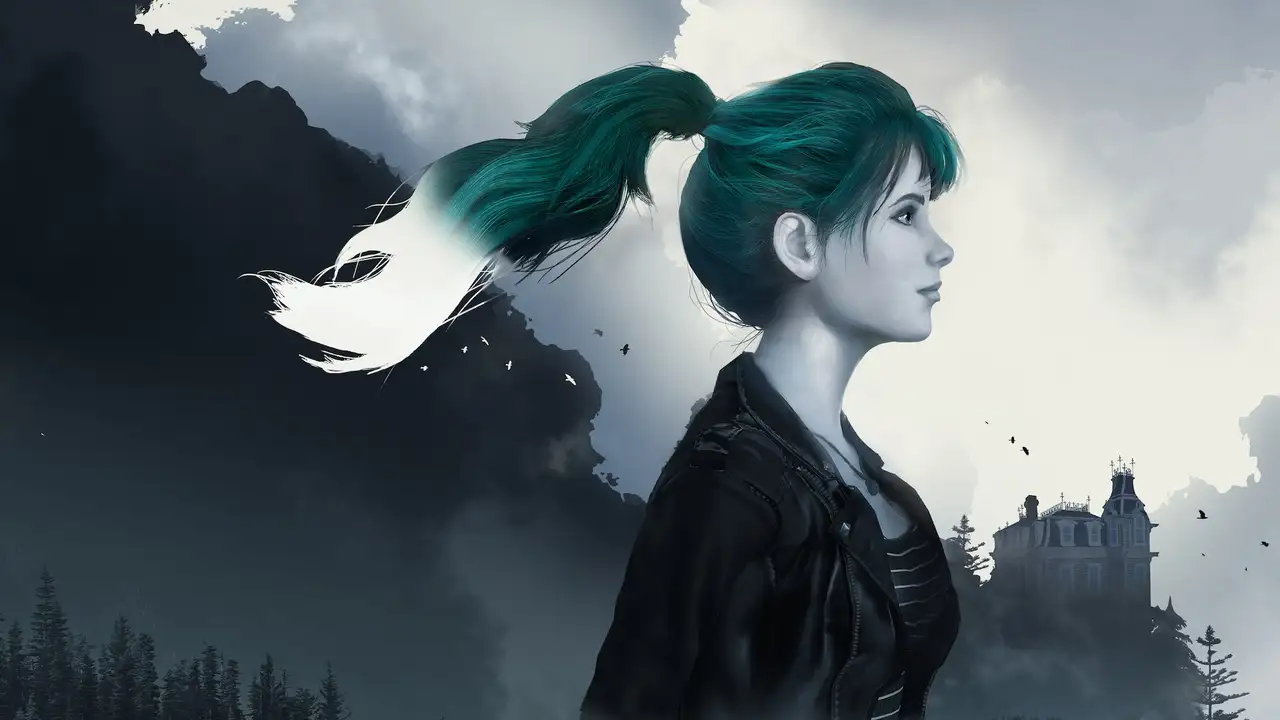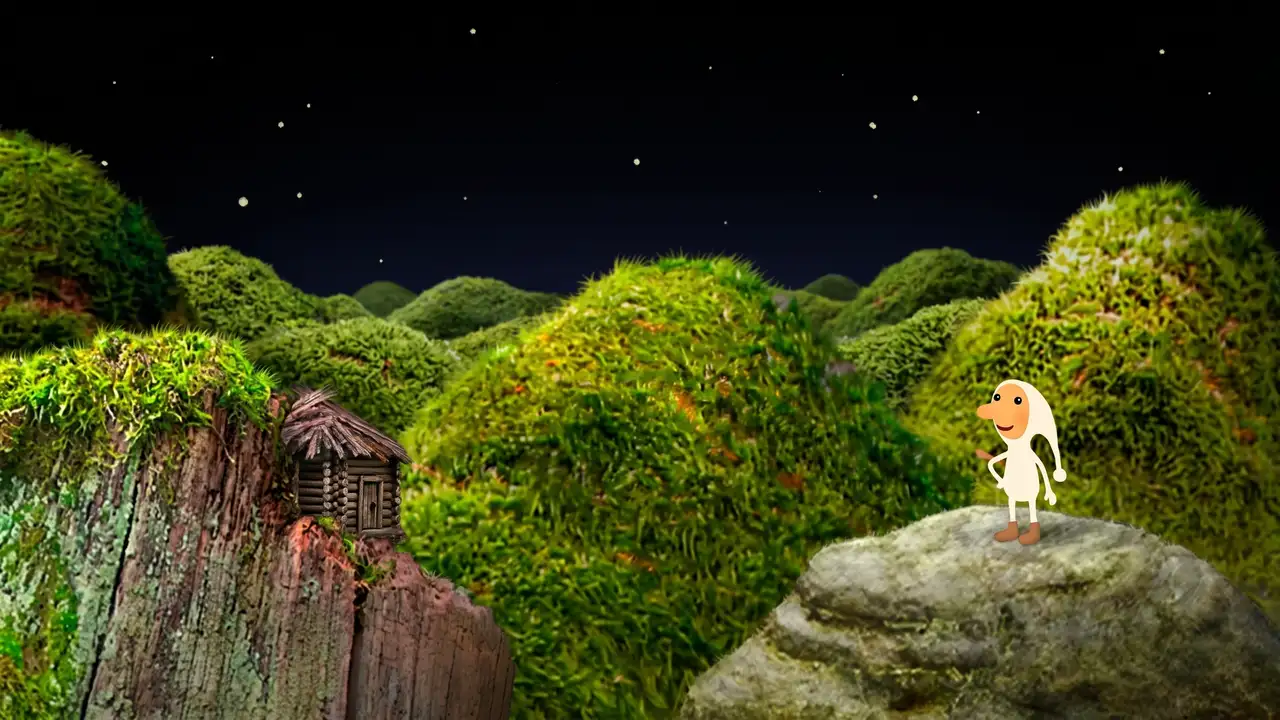
A post-Soviet Eastern European wasteland built around a genetically engineered prodigy-child conspiracy sounds grim, but this adventure treats it all as material for relentless absurdism. The town of Krusch and its surroundings host Baba Yaga witches with designated parking spots, a glam-metal church worshipping a pug messiah, a drug-addicted performance artist and a candy-vomiting sloth CEO, all presided over by a story about a noseless protagonist seeking acceptance. Referential humour runs deep, with graffiti honouring LucasArts classics and sly nods to the genre’s bleakest literary cousins. The writing never pauses for a serious beat, and the density of gags is the entire point. As comedy first and puzzle second, it commits completely to the bit.
Bespoke flavour text covers every single interactable object, and the mountains, the power lines and everything between will answer when clicked. This transforms exploration from means to end: the world itself is the punchline delivery system, and hunting hotspots becomes compulsive rather than obligatory. The comedy writing sustains the standard across the whole runtime without noticeable filler. Combined with a one-man voice cast performing nearly the entire roster, including the multiverse keeper and a talking leg, the whole package achieves something genuinely rare in crowdfunded adventure design. Every screen exists to land a joke, and most of them do.
The meta-frame adds texture on top, with a difficulty selector greeting the newcomer, a dog-led tutorial easing the way, and a tumour-chats flavour system doling out extra absurdity for those who seek it. Inventory combining and hotspot hunting follow the classic point-and-click grammar faithfully. Generous autosaves remove any fear of failure, which suits the tone even if it flattens the stakes. A hidden developer-commentary track woven into the world rewards curiosity beyond the gags. The structure knows exactly what kind of game it is and never pretends otherwise.
Fast travel is the mechanic the opening overworld conspicuously lacks, and the long unskippable walks to the drug dealer’s mansion feel like a deliberate throwback to the genre’s least-loved traditions. The friction is real but brief, and the game quietly fixes it once later chapters open up travel. The Duper Genetics office dungeon anchors Act 2, where a teleport-scattered scientist must be reassembled and the company exposed, and the pace tightens considerably there. A JRPG-style boss fight against Olaf closes the finale, followed by multiple endings and a driving epilogue before the credits. The shape of the campaign is orthodox in the best way.
Puzzle challenge is gentle to the point of near-absence, with almost no ways to die or fail, and the game itself lampshades the fact through its own characters. For a comedy-first design this reads as a feature rather than a defect, though genre veterans should expect relaxation rather than challenge. Gross-out humour recurs throughout, with body horror jokes and cringe comedy that will divide taste along predictable lines. Lengthy unskippable dialogue sequences slow the late game occasionally. The dragged-out Kickstarter backer roll at the credits is the only purely tedious stretch, though skipping it is a mercy the game permits.
The recovery floppy fetch chain that opens Act 1, trading space dust across Krusch’s eccentrics, establishes the tone economically. A multiverse teleport twist opens Act 2 with genuine surprise, expanding the story’s scope just as the opening chapter’s jokes have settled into a rhythm. By the finale the escalation from wasteland wandering to corporate conspiracy feels earned rather than arbitrary, and the driving epilogue sends the whole thing off with one last flourish.
Overall, this is a genuinely funny, generously voiced indie point-and-click that chooses comedy over challenge and succeeds emphatically at the former. The interactable-world joke density is remarkable, the one-man voice cast is a small miracle, and the absurdist Eastern European setting gives the whole a flavour no other game in the genre quite matches. The opening’s traversal friction and the difficulty drought are real but minor against a package this consistently entertaining.