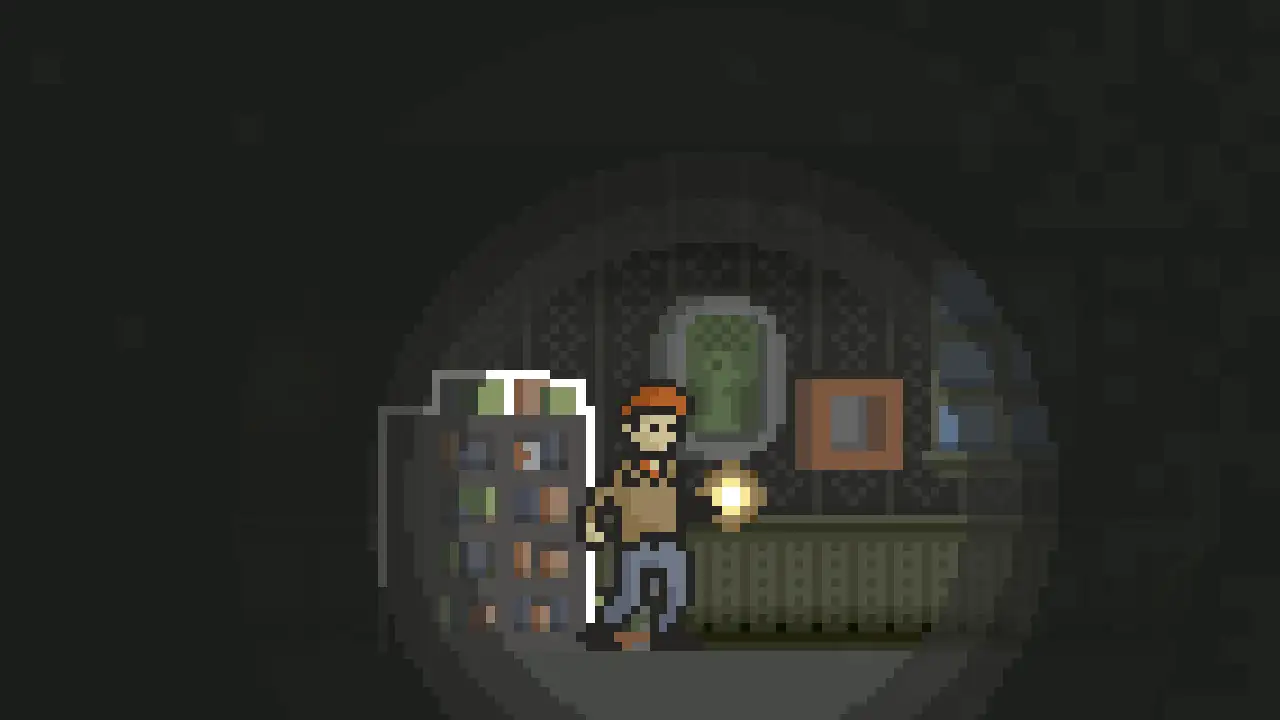
A grimdark horror fantasy across four corrupted regions, each ruled by a possessed acolyte with elaborate, deliberately gross lore: cannibalism, flesh-senates, insect-worship cults. As a full 3D sequel to a 2D pixel-art soulslike, the jump is genuinely impressive, and the codex-driven world where every monster earns pages of lore gives the setting its texture. The Hall of Red’s callback to the first game’s final arena rewards returning players, and the atmosphere lands from the insect-hive capital entrance onward. Every faction ruler’s backstory is worth reading for the gross-out craft alone.
Combat is built on posture-break criticals and parry-riposte chains, and the depth rewards commitment. Fast daggers and fists suit aggressive flow, high-impact maces trade speed for crowd control, and mixing them keeps encounters fresh. The enragement and rage-breaker system adds a pressure layer beyond simple stamina, and the single-shell spectre blaster gives ranged options without diluting the melee core. Death by a thousand punches is a legitimate strategy, and the combo chains feel earned rather than automatic, with even a rusty return to the genre clicking once the parry timing settles back in.
Rune crafting is the compulsive heart. Socketing and infusing runes into weapons rewards min-maxing deep enough to consume whole sessions, and the crafting side genuinely delivers on its variety promise. Blessings layer on top, and the arsenal’s breadth makes build experimentation a core pleasure rather than an afterthought. Codex entries unlock alongside progress, and reading them all is how the world is meant to be consumed.
The sanity system is visually striking but mechanically underused. The purple world-shift when madness takes hold is a genuine visual highlight, and the landscape warping earns real praise. What the game never surfaces is any way to check the meter itself, leaving the mechanic more atmospheric than interactive, a system the player drifts through rather than manages. The shift’s aesthetic carries it, but the design undersells its own best idea. Around six hours covers the first pass through the four regions, with endgame weapon tuning and codex reading stretching the total well beyond the campaign’s nominal length, and the pacing never forces a grind to reach the credits.
Stamina drains fast enough to dominate every encounter, with everything requiring so much of the bar that management becomes the game’s hardest skill. Multi-enemy fights compound the problem, turning crowds of big enemies into battles with the camera as much as the enemy, and the parry-reliant first boss is rough for anyone still learning the timing. The Cinder Valley gauntlet of crowded fights takes far more attempts than it should, and an unfindable NPC mid-session wastes a detour entirely.
The genre framing matters for the verdict. Crowded-fight camera jank and stamina hunger are common across the genre rather than this game’s unique failings, and the combat depth, lore craft and buildcraft carry it past those stumbles. Long stretches of the run reward patience with genuinely satisfying breakthroughs, and the pacing keeps momentum even when frustration peaks. The difficulty curve dips hardest exactly where the crowds thicken, which makes the crowd fights the one design choice worth flagging to genre veterans in advance.
Overall, this is a very solid soulslike whose posture-breaking combat, compulsive rune crafting and codex-driven gross-out lore outweigh fast stamina drain, crowd-combat camera fights and a rough opening boss. Very fun, occasionally frustrating in ways the genre shares, and the sequel callbacks reward series veterans handsomely.