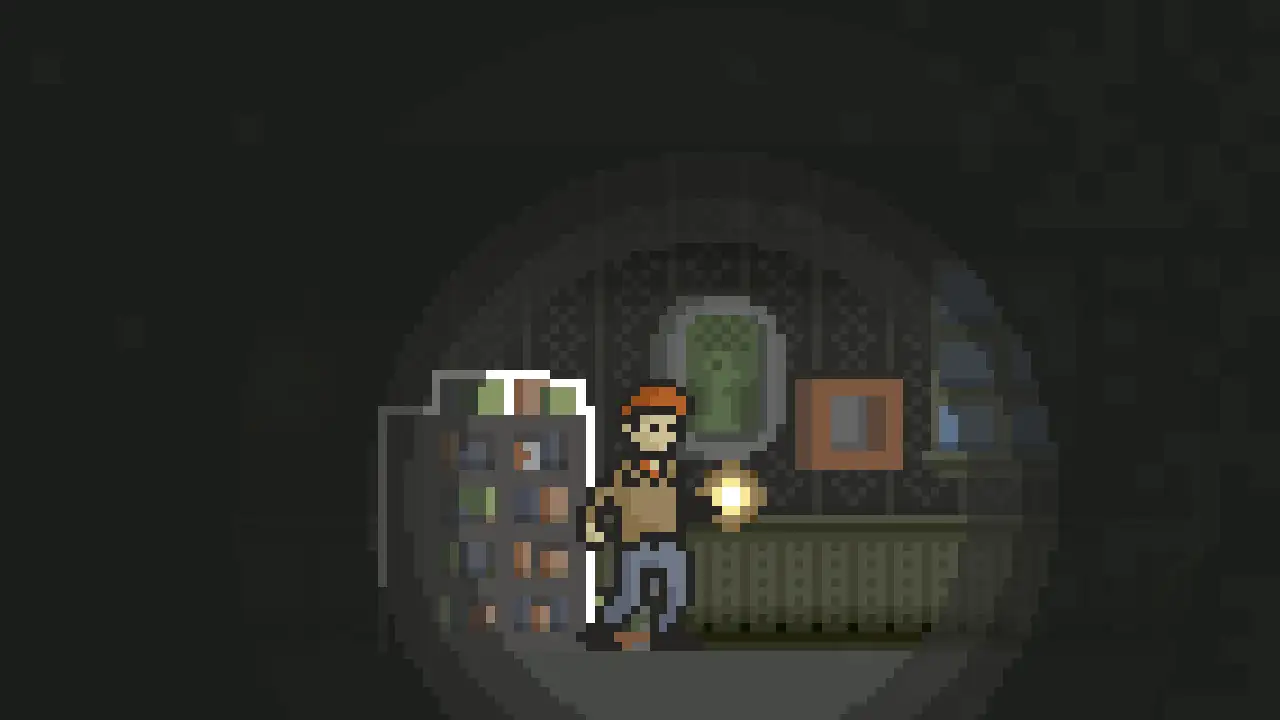
Maniac Mansion Deluxe is the fan-polished presentation of the genre’s ur-text: a spoofy B-movie rescue where a picked team of kids sneaks into a haunted household to save a friend from Dr. Fred, his purple meteor overlord and the tentacles. Six playable kids with distinct skills shape which puzzles and routes exist, so the game played depends on who is brought along. The tone is pure LucasArts comedy, carried by running gags (Bernard’s monosyllabic “fascinating” at literally everything, the Edna-prank-call phone bit) and era gags from a THX-speaker joke to a Playboy calendar with Ted’s death circled. The atmosphere lands well for 1987-era design: spooky, slow-scrolling, deliberately NES-ish, and the slow text is part of the charm rather than a flaw.
The Deluxe upgrade transforms the presentation. Jumping from 8-bit to 16-bit visuals with added music, the original’s house becomes genuinely atmospheric where the version seen inside later games looked bare. Keyboard shortcuts for every verb modernise the interface, and the slow NES text-scrolling is deliberately preserved alongside the upgrades. It is the definitive way to experience where the genre’s house style began, and the difference is immediately visible.
Puzzle design is the game’s finest quality: classic LucasArts point-and-click that mostly avoids moon logic and rewards free experimentation. There are no massive leaps of logic, and solutions click through observation rather than guesswork. Highlights include feeding everything in the inventory to the Green Tentacle, recording tentacle mating calls to shatter a locked case, the Edna distraction-call loop to raid her room and the telescope, and fixing wires and the radio with Bernard’s toolbox. Death-maze cruelty is absent; the puzzles are fair even when they hide.
The loop is exploratory rather than punitive. Hoovering up an ever-growing inventory is rewarded, characters swap via function keys, and items pass hand to hand, with the absence of a shared inventory the one real quality-of-life gap. A habit of concentrating everything on one character collapses quickly when that character is elsewhere and the needed item is on them. Verb affordances add their own friction, with the open-versus-shut distinction easy to forget mid-puzzle.
The one genuine wall is the Meteor Mess arcade machine. Assuming the unlit cabinets were dead stalls the endgame badly, waiting for a cut scene that never comes, and the solution only arrives after a guide peek at the arcade high-score code. The blind spot is self-inflicted rather than unfair, but the stonewall is real. An invisible light-switch hunt in the dark basement provides the campaign’s silliest frustration, hardest part of a game indeed.
Occasional tech jank shows the build’s age: noticeable slowdown at points, ironic in a remake more advanced than its source. Unused content (the unopened Ed package) hints that the other kids’ routes differ meaningfully, and the curiosity about unplayed paths is itself a compliment to the character-selection design. The reactor meltdown that drains the pool and triggers the purple-tentacle chase remains the mid-game’s best structural beat, escalation handled through the house itself.
Overall, Maniac Mansion Deluxe is a primitive-but-timeless adventure whose fan remake makes it the definitive way to experience where the genre’s house style began. The fair puzzle design, the Deluxe visuals and the comedy writing carry it, and the arcade blind spot plus dated inventory friction are small costs. Play it in this form and the foundations still show their craft.