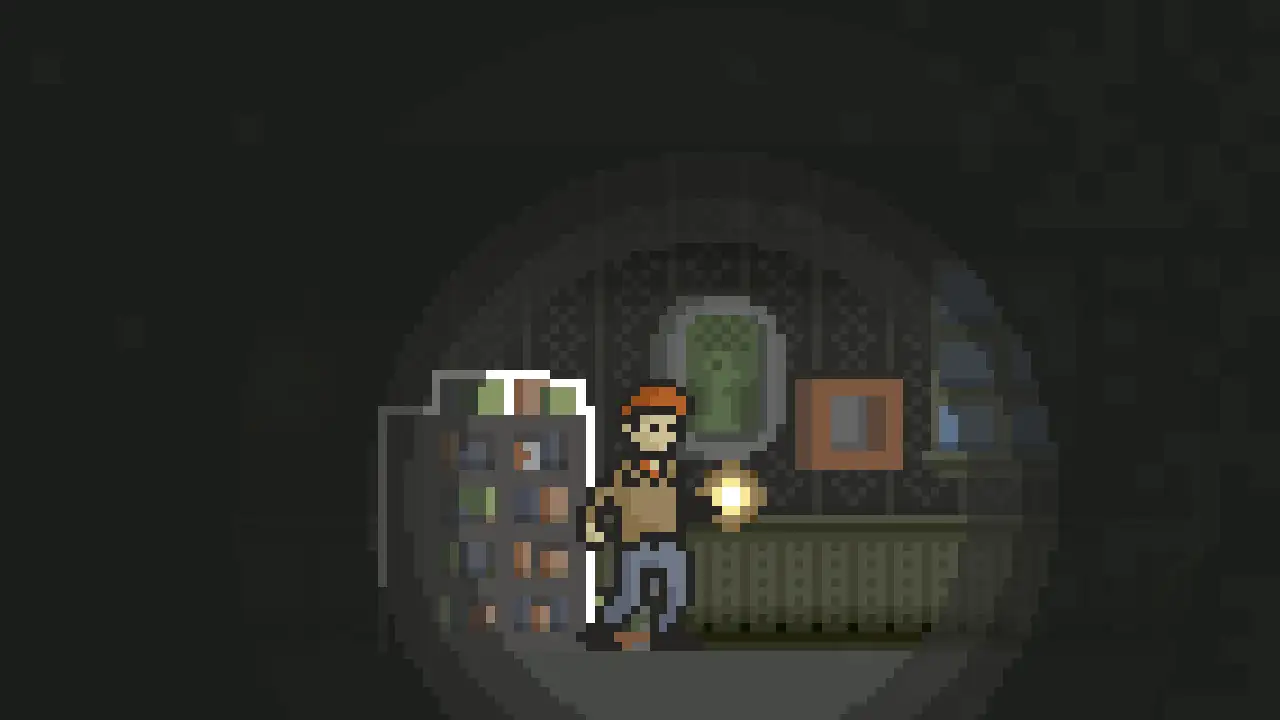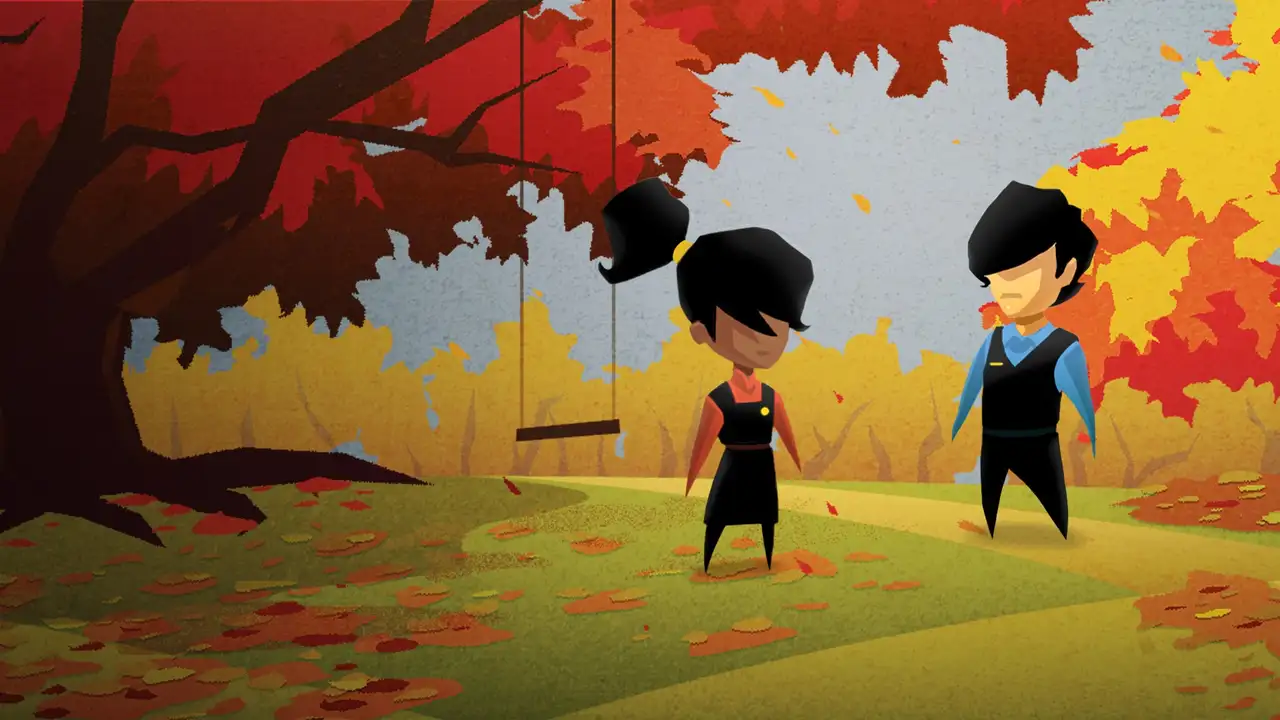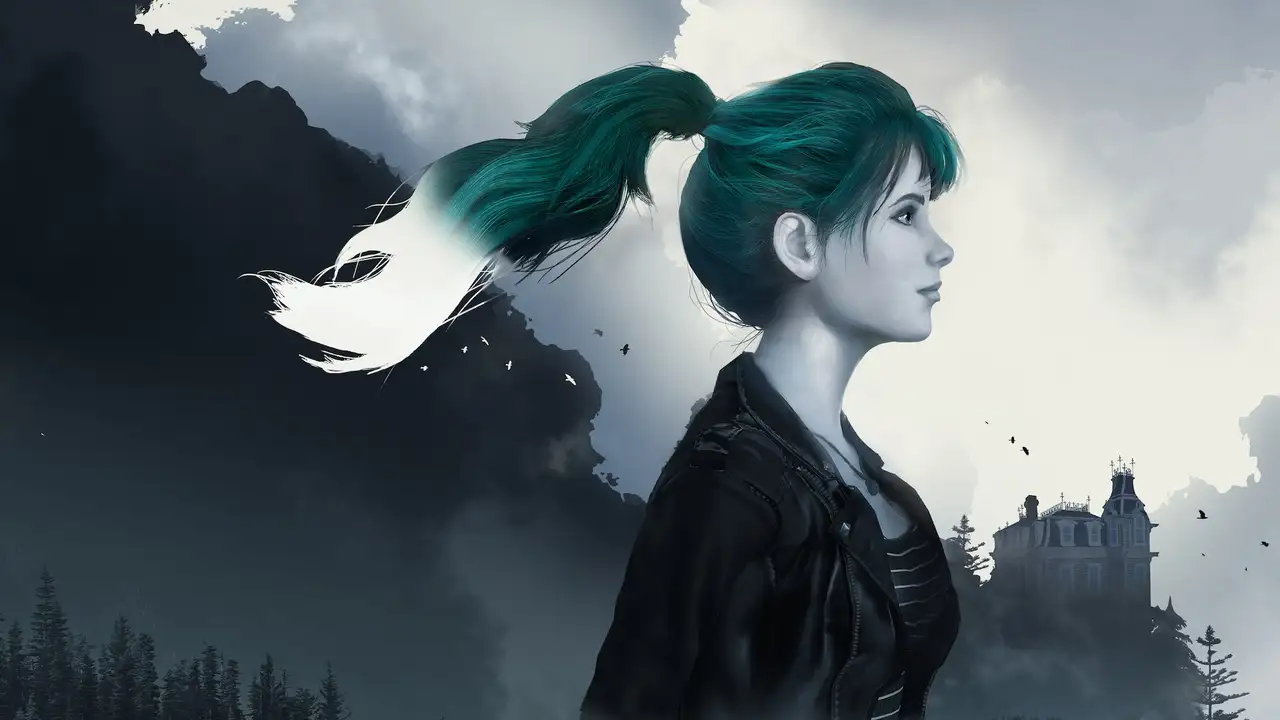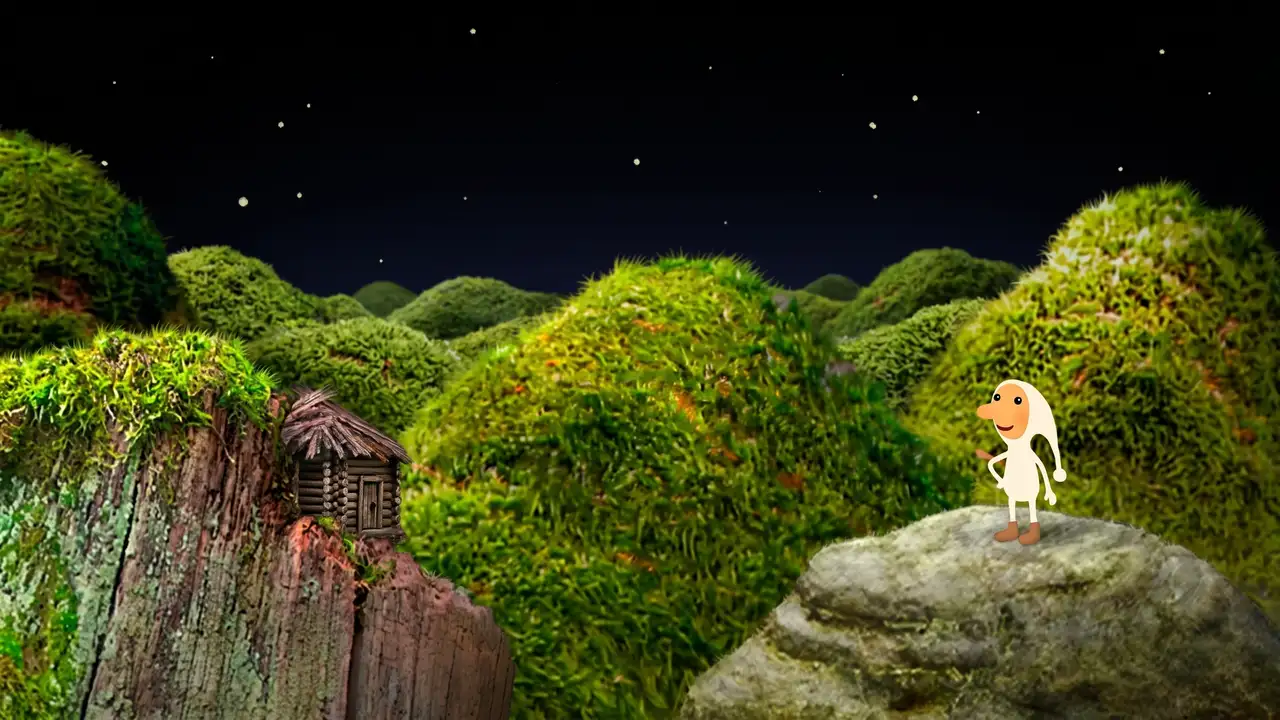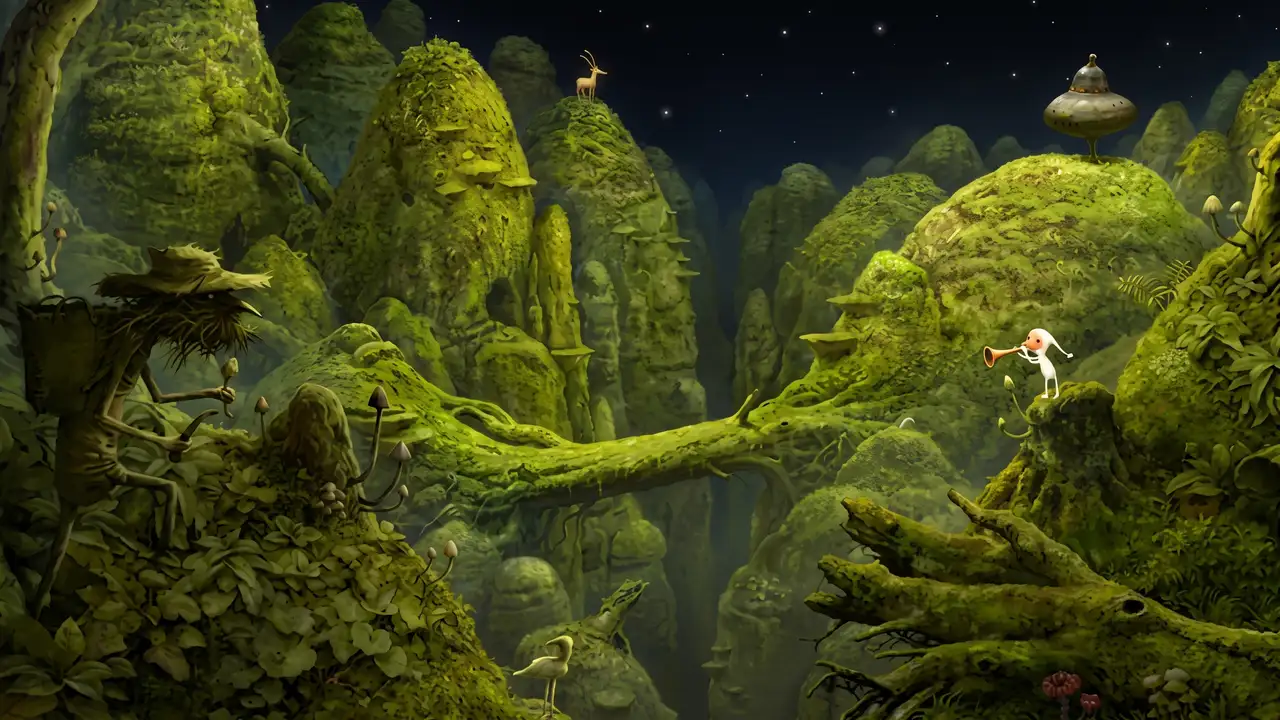
A colourful floating island-ship under siege by a musical empire, an absent mother remembered through scattered letters, and a protagonist whose only weapons are whatever she can pick up and hurl. That last detail is the whole design: there are no conventional weapons, and every combat encounter and puzzle resolves through what the backpack contains. Rocks, pots, sheep, a boot with a hat and a screaming banshee power all become projectiles, and the puzzle design builds its entire creative vocabulary on that constraint. It is a charming, weird, soundtrack-forward adventure in bright Hyper Light Drifter-adjacent art.
The throw-anything system rewards invention over rote solutions. Solving rooms depends entirely on what can be thrown, and the game surfaces delightful answers: ferrying a wanderer creature, escorting a wisp, racing a cat slug god through the underworld, and bouncing a copper bird across gaps. Boss generals grant the abilities that expand the toolkit, with heavy lifting, jump, a sprint-boosting boot and a banshee scream that flattens combat encounters arriving in sequence. Each unlock reshapes what previous areas can do, giving the world a light Metroidvania logic without formal gating.
The soundtrack is the game’s best asset, and it is not close. An original score carries every dungeon and overworld stretch, and the musical empire premise makes the theme load-bearing rather than decorative, since the antagonists are themselves instruments given marching orders. The compendium’s deadpan flavour text (“Contrary to popular opinion, stones have feelings too”) adds dry humour, the alchemy printer crafts recipes from gathered ingredients, and mailbox saves double as fast travel across the map. Rabbit-hole underworld areas link regions in ways that reward curiosity, and health collected as petals softens the cost of every experiment that goes wrong.
Secret design is where the generosity stops. The red mirror’s gating and the hidden hair-colour effects resist every obvious reading, requiring either outside help or dumb luck, and even dedicated experimentation yields nothing without a nudge. One missing letter and one missing eyeball trigger a maddening dash across the entire world for completionists, the worst stretch of an otherwise breezy campaign. The opacity is clearly intentional, but the game keeps its best secrets slightly too well hidden for its own good.
Controls add avoidable friction. The backpack and throw actions sit on separate buttons, and the two get mixed up constantly mid-encounter, producing mis-throws at the worst moments. Nothing else in the control scheme misbehaves, and the two-button economy makes sense in isolation, but the confusion recurs enough to register as a design cost rather than an adjustment period. Health from collectible petals softens the sting of every mistake. The pace of the campaign suits the tone, with dungeons paced as set pieces rather than gauntlets and the boss generals staging their confrontations like performances.
The story stays light until it isn’t. Letters to a long-absent mother accumulate as collectibles, and the emotional payoff of finding the final one lands harder than the whimsy suggests. There is a deeper layer for those who know the developer’s earlier work, and the art style’s resemblance to that game is the tell, but the connection is discoverable rather than required, and the adventure stands alone without it. Five to seven hours covers the story comfortably, with full collection stretching the footprint.
Overall, this is a charming, music-soaked throw-em-up whose creative no-weapons puzzle design, boss-granted abilities and superb soundtrack outweigh opaque secret logic, a fiddly backpack button scheme and a collectible grind that punishes the thorough. Its only real crime is keeping its best secrets too well hidden.