A lonely king on his throne sails to the land of Kolyma to rescue the woman in the mirror, gathering the three gems of nature, birth, growth and death, along the way. That simple fetch-quest skeleton, lifted from a 1985 original, is rebuilt here by a fan team into a proper mystery-thriller, with a monk-werewolf Brotherhood, a mermaid’s bargain and a gothic wedding that reframes the whole campaign. Fairy-tale cameos, Red Riding Hood, the Ugly Duckling, the Little Mermaid and Sleeping Beauty, layer into a genuinely connected web rather than disconnected cameos. One character’s lineage to the count, a letter foreshadowing the Father and a closing curse that sets up the next entry make the plot dense in ways the original never attempted. A cinematic intro and hand-voiced cast hook the player within minutes.
The scope and polish for a fan project astonish. Multiple hand-voiced characters carry real personality, and the dense underwater soundscape, layered with ambience beneath the waves, would embarrass commercial releases. The faithfulness extends to pixel placement, with an AGI homage UI whose score display and black-bar cropping quirks are preserved with evident affection. Missing subtitles are the one accessibility gap, and the edge-of-screen clicking friction inherited from the AGI era persists, tripping up navigation more than once. These are tributes rather than oversights, mostly.
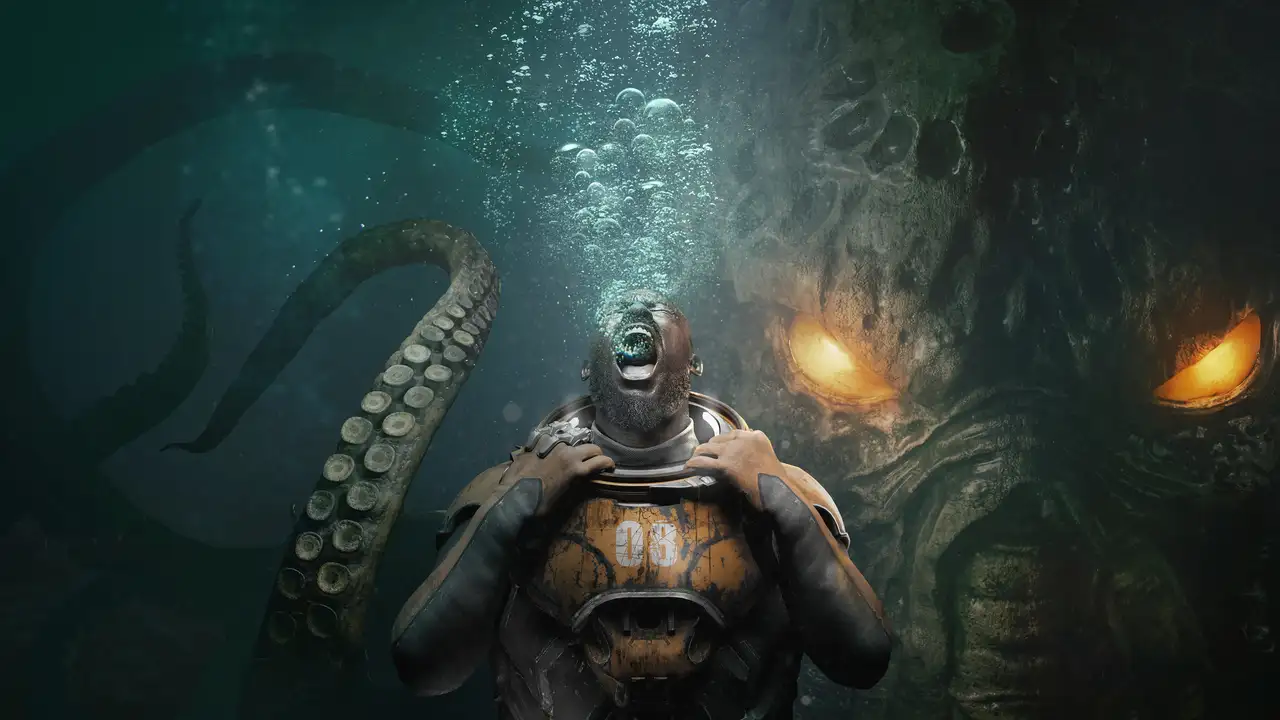
The underwater kingdom is the campaign’s showpiece. A mermaid encounter, a seahorse ride, patrolling Sharkies and a trident heist build a cohesive sequence whose atmosphere peaks beneath the surface. The cloud-spirit morality tests that follow run lengthy but reward patience, with a fourth-wall gag tucked into the rewards that lands unexpectedly well. A Lost Woods-style swamp tests navigation memory, and the truth-teller statues guarding the tower door give the finale a riddle gate worth solving. The Kolyma castle’s vampire reveal midway shifts the whole tone from fairy-tale romp to gothic mystery, and it earns the shift.
Length is the double-edged sword. At three to four hours the remake runs several times the original’s span, a substantial expansion welcomed on its own terms, but the added scope means repeated journeys and sit-through-the-same-transition tedium that accumulates by the endgame. The finale in particular drags at the very close, overstaying a structure that had paced itself well until then. Random enemy spawns, dwarves and patrolling sharks among them, punish forgetting that certain things can appear without warning, though cheap death and disciplined saving keep the cost negligible.
The magic carpet’s handling betrays a leftover rather than a puzzle. Its no-room-to-use-it messaging reads as an unedited constraint from the original rather than a deliberate gate, and a simple redesign would have made the item either functional or honestly inert. It is the only moment where the remake’s otherwise careful hand shows a seam. Everything else communicates intent clearly.
The franchise scholarship on display deserves note. Plot threads pay off across the series, a closing curse sets up the sequel directly, and the remake slots precisely into the fan-remake lineage, covering the trilogy’s early entries while leaving the fourth untouched. For players who found the original AGI games too punishing, this version keeps the world and deepens the story while softening the cruelty. The original retains a tighter pace in memory, but the remake trades that tightness for substance and mostly wins the trade.
Overall, this is the definitive fan-faithful expansion of a Sierra classic, turning a thin fairy-tale rescue into a connected, voice-acted mystery whose intro, underwater kingdom and vampire-wedding setpiece justify the added hours. Transition tedium, random spawns and AGI-era UI friction are the price of the homage. A satisfying, substantial expansion that sets up the trilogy’s next chapter beautifully.