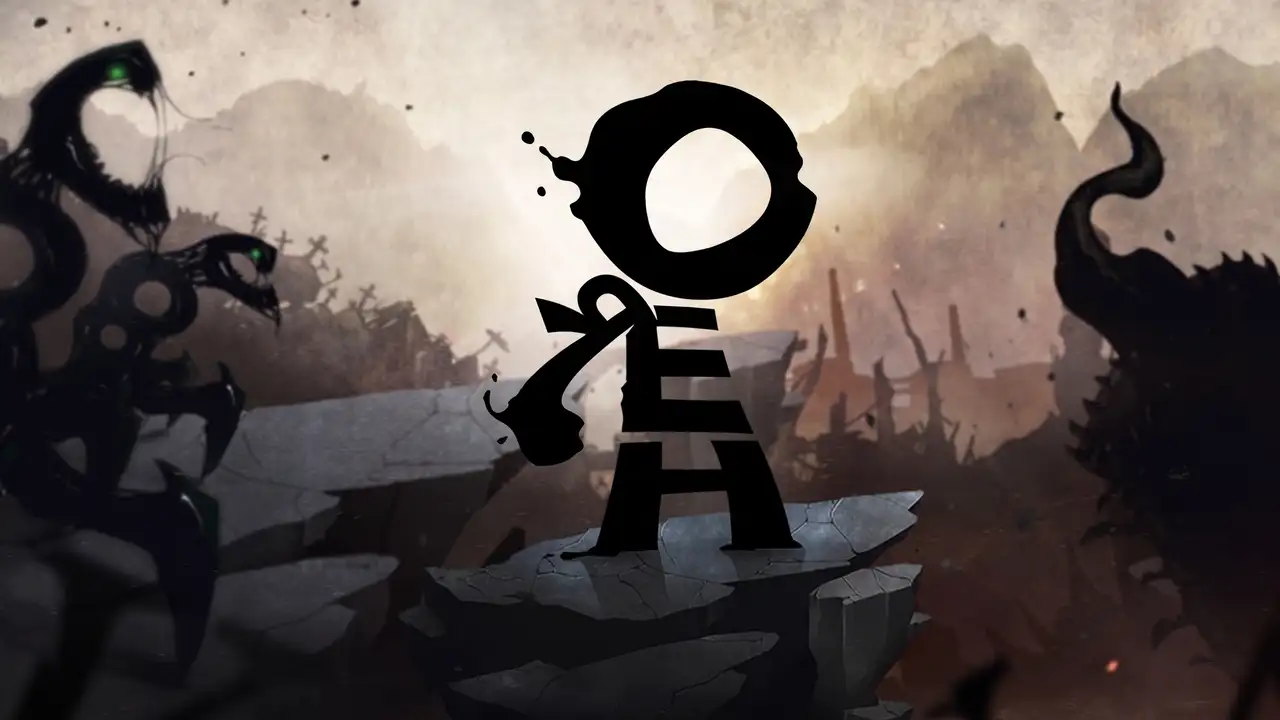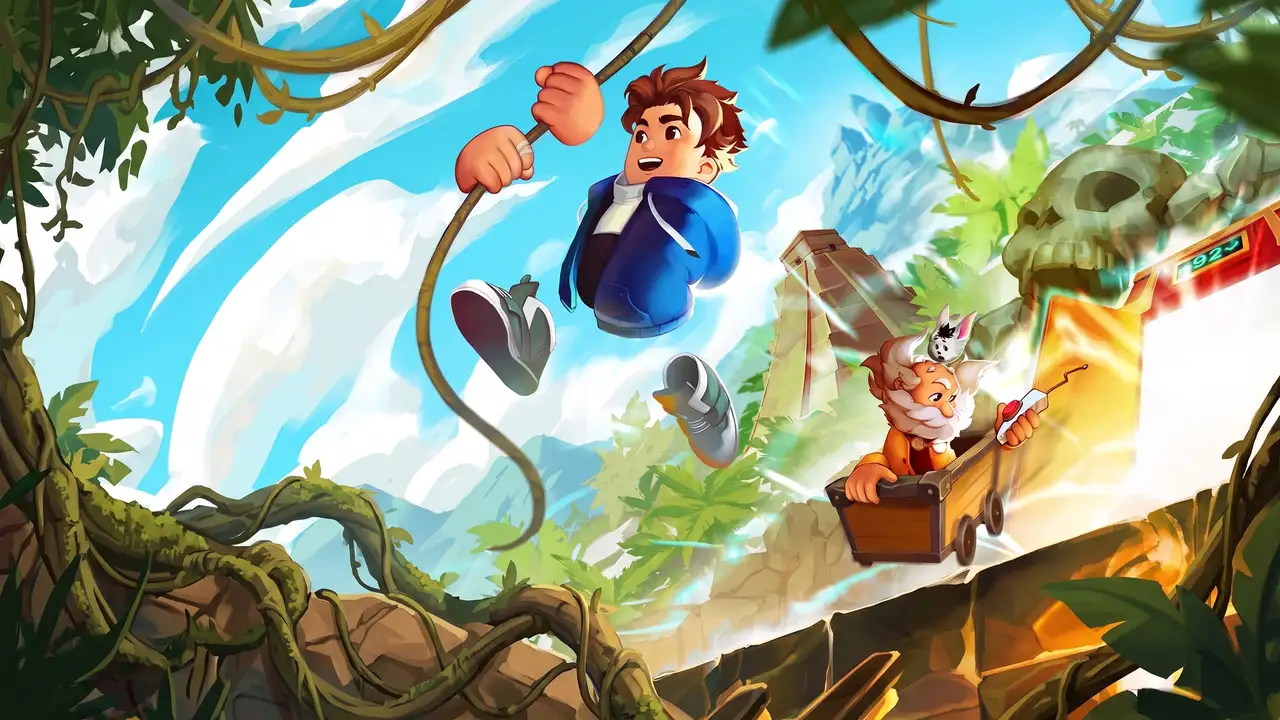
Three protagonists braid through a decaying world slowly consumed by a castle that feeds on pain: a young girl playing with a bunny, an injured explorer solving mechanical problems, and a corrupt knight whose swordwork darkens as the story deepens. Inmost fuses Limbo-like puzzle platforming with an unexpectedly heavy human story about grief and parenthood, and the tonal ambition sets it apart from genre peers. The pixel art is gorgeous and melancholy, the atmosphere consistently sad, and the castle-as-consumer-of-pain allegory gives the fantasy real-world weight through the keeper’s tales of work and family sacrifice. The storybook lore notes (the witch, the knight’s stolen flower, the keeper’s tales) reward reading between milestones. The whole thing reads as sad, and it is meant to.
The ending recontextualises everything: the interwoven stories resolve into a domestic tragedy about a lost child, a grieving parent unable to accept an adopted daughter, and a message to those who suffer that lands with genuine force. The emotional gut-punch is way heavier than the box art promises, and the final reframing (a tale about pain revealed as a tale about love) elevates the entire three-hour runtime. Confusion at the finale resolves into understanding that makes the earlier chapters retroactively richer. Few puzzle-platformers attempt this register, and fewer land it. It is the review’s emotional centre, and it earns the position.
Three mechanically distinct characters carry the gameplay: the knight fights with a sword and later a whip, the explorer grapples and pulls, and the girl is defenceless in hide-and-seek and home-exploration segments. Puzzles skew environmental rather than logic-dense (fuel cans and hooks for the elevator, a generator, gears, a circular-lock contraption), with an overall feel lighter on puzzles than Limbo despite the comparison. Stalker-chase escapes supply the horror spikes, and the knight’s escalating corruption (screen tinge, changing attacks) is a nice touch tracked in real time. Combat is simple but competent. Kickable objects amuse exactly as much as intended.
The 85 collectable pain stones are hidden frustratingly: many spawn only by jumping over random spots, and the reward structure left the hunt abandoned at 60 found, with plain-sight placement preferred by a wide margin. Checkpoint placement is arbitrary in a game this short (three to four hours, with some finishing nearer two and a half), and a brief apparent freeze at boot adds an early wobble. Jump physics are inconsistent, with the girl’s jump described as pathetic and enough face-planting to joke about a broken-bones counter. None of it breaks the experience, but all of it is friction the design could have spent elsewhere.
The Limbo comparison holds for the tone but not the puzzle density, and the horror promised by the marketing is real but intermittent, appearing in chases rather than atmosphere. The keeper-as-embodiment-of-pain allegory (work, family sacrifice) is the story’s quiet thesis, threaded through the optional notes that most players will read because the writing earns it. Steam Deck friendliness adds practical value to a game built for short sittings. The three-timeline braid pays off structurally in the finale’s convergence. The world’s decay is legible in every screen.
Short but sweet is the honest summary, with the sweetness weighted heavily toward grief. The pain-stone economy gives completionists a target without demanding 100%, and the milestone unlocks pace the lore sensibly. What the game lacks in mechanical depth it returns in emotional weight, and the weight is the product. The ending’s plea for those in crisis closes the fiction and steps outside it, a bold move that lands.
Overall, a short, sad, gorgeous puzzle-platformer whose three-protagonist braid, environmental storytelling and devastating final act turn a tale about pain into a tale about love. Oddly hidden pain stones, arbitrary checkpoints and inconsistent jump physics are real costs, yet the emotional payoff makes the three hours more than worth the friction.