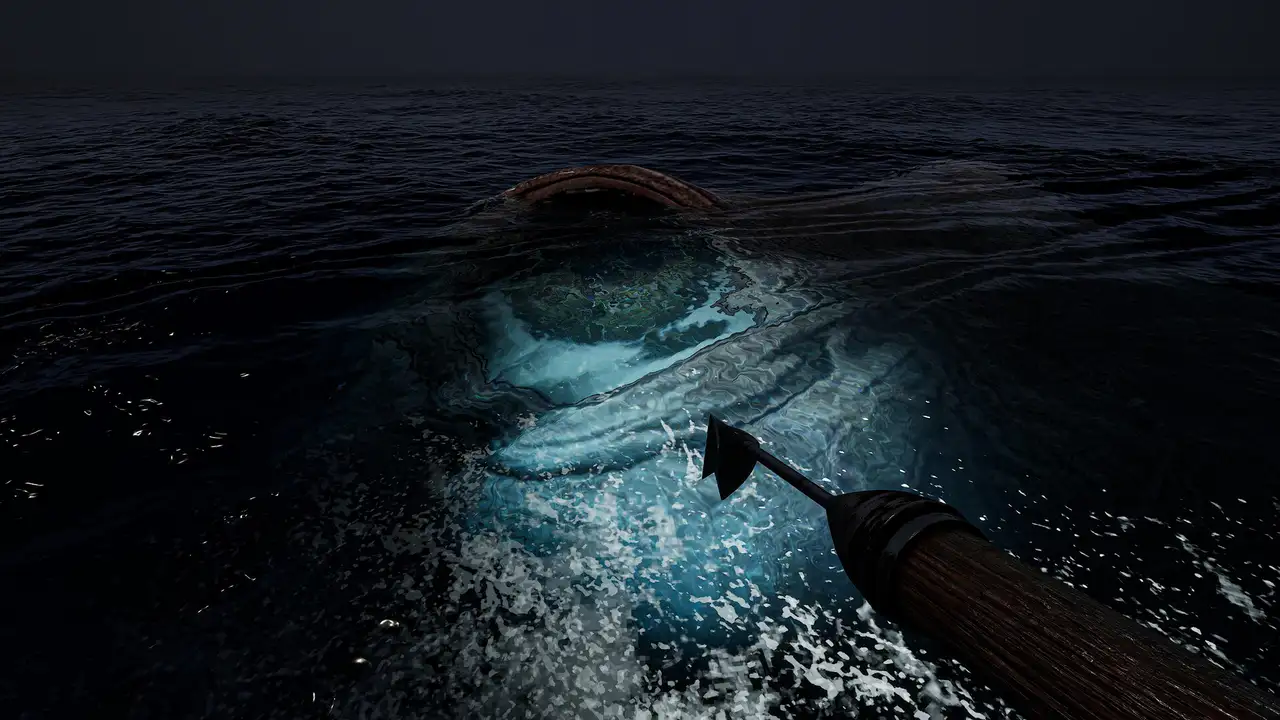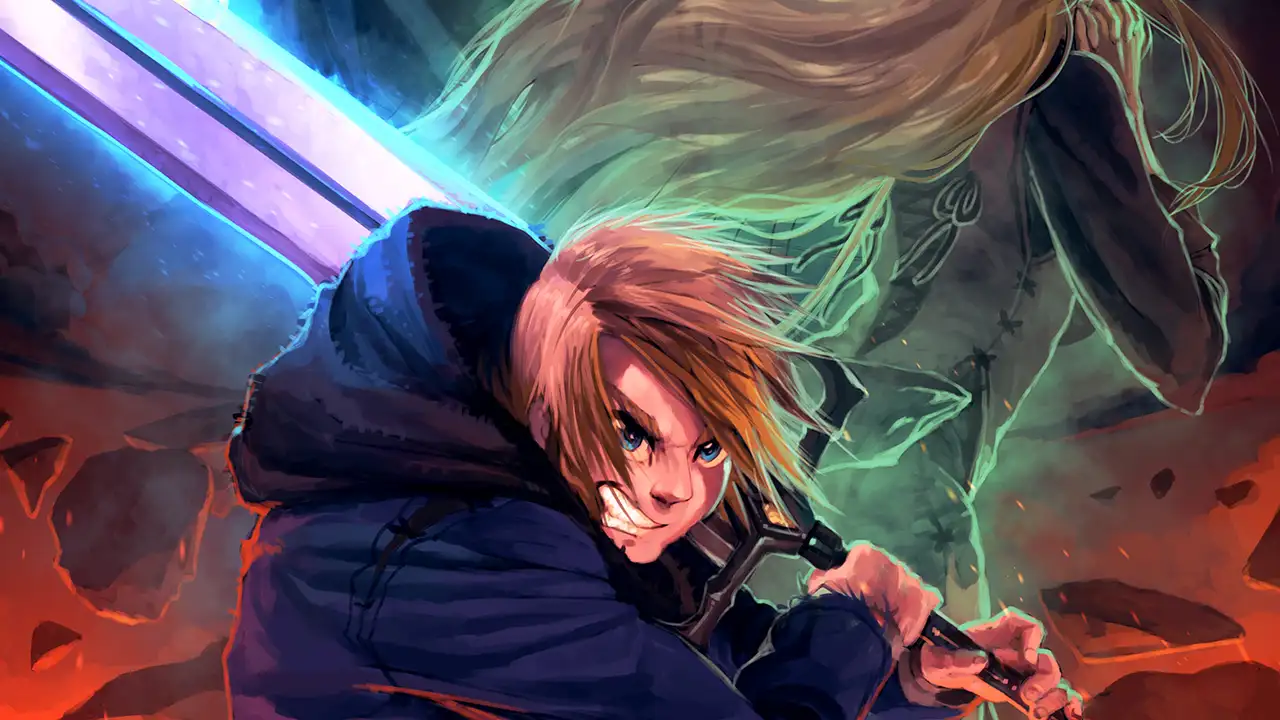
On the ironically named Isle of Hope, where night is eternal, a small boy fights a teleporting tyrant to protect his sister, and the whole structure is assembled from parts of far more famous games. Inexistence Rebirth is a short metroidvania that wears its influences so openly it borders on collage: Zelda-style blades, Castlevania flames, Banjo-Kazooie collectibles and goomba-like enemies all share the same pixelated screen. The story itself is thin and opaque, a quest framed around freeing a sibling with little elaboration beyond that. What holds attention is the density of the homage, which keeps offering recognisable puzzle pieces from other worlds. Jank sits over all of it, and the game makes no effort to hide it.
The dodge defines the whole experience, both as the best tool available and as a comedy of oversights. Spamming it lets movement phase straight through enemies, and the same trick works underwater, producing a pace of travel the game’s balance never accounts for. Its appearance is another matter, since the animation reads as goofy and awkward at the exact moments it feels most powerful. Combined with an input delay on every command and floaty air control, the moment-to-moment handling sits in a strange space between broken and brilliant. Any judgement on the controls has to hold both truths at once.
Combat swings wildly between trivial and brutal. Levels and dropped skill points feed a stat system covering strength, magic and defence, and once the magic-spam loop clicks, ordinary enemies disintegrate with a gun-like fervour and shredding packs becomes a genuine pleasure. Bosses are the counterweight, badly balanced and frequently cheap, with the fight against Redempt standing out as the low point. Contact damage compounds everything, because enemy models are so massive that landing a hit requires standing inside the same space that punishes touch. The backward-only dodge makes closing distance against those hitboxes feel worse than it should.
Redempt deserves its own sentence: the encounter demonstrates every balance flaw at once, from spongy health to punishing proximity, and no amount of the otherwise generous skill-tree power erases it. A Dark Link mirror fight, by contrast, shows the homage structure working in combat’s favour, and the weapon progression from wooden sword through Masamune to Excalibur gives battles a satisfying sense of escalation. Magic flames borrowed from Castlevania carry the mid-game. The roster of boss encounters splits cleanly into homages that work and originals that do not.
Redempt aside, exploration is the game’s quiet strength. Double jump, super jump (a crouch-then-jump command that feels janky every time) and super speed gate progress in classic metroidvania fashion, while fountain save points offer fast travel across the island. Ten Banjo-Kazooie-style jiggies reward thorough play, and secret walls are deliberately obvious rather than demanding pixel hunts, a design kindness that keeps momentum up. Pits never insta-kill, which further removes friction from traversal. The loop is small but consistently generous.
The ending undercuts the goodwill. A dream-twist reframes the quest in a way that lands as confusing rather than moving, and one final jiggy appears to be effectively unobtainable, likely a bug the game never fixes. Neither flaw ruins what precedes it, but both leave a sour note at the close. The narrative’s brevity means the twist carries weight it has not earned. For a game built entirely from borrowed pieces, the one genuinely original element is its weakest.
Overall, this is a janky but endearing bite-sized metroidvania that wears its influences proudly and its flaws just as openly. The reference-dense design and the delightfully broken dodge carry it far beyond what its balance and handling should allow, and generous secrets keep a short playthrough moving. Judge it as a loving collage rather than a polished whole and it earns its keep.