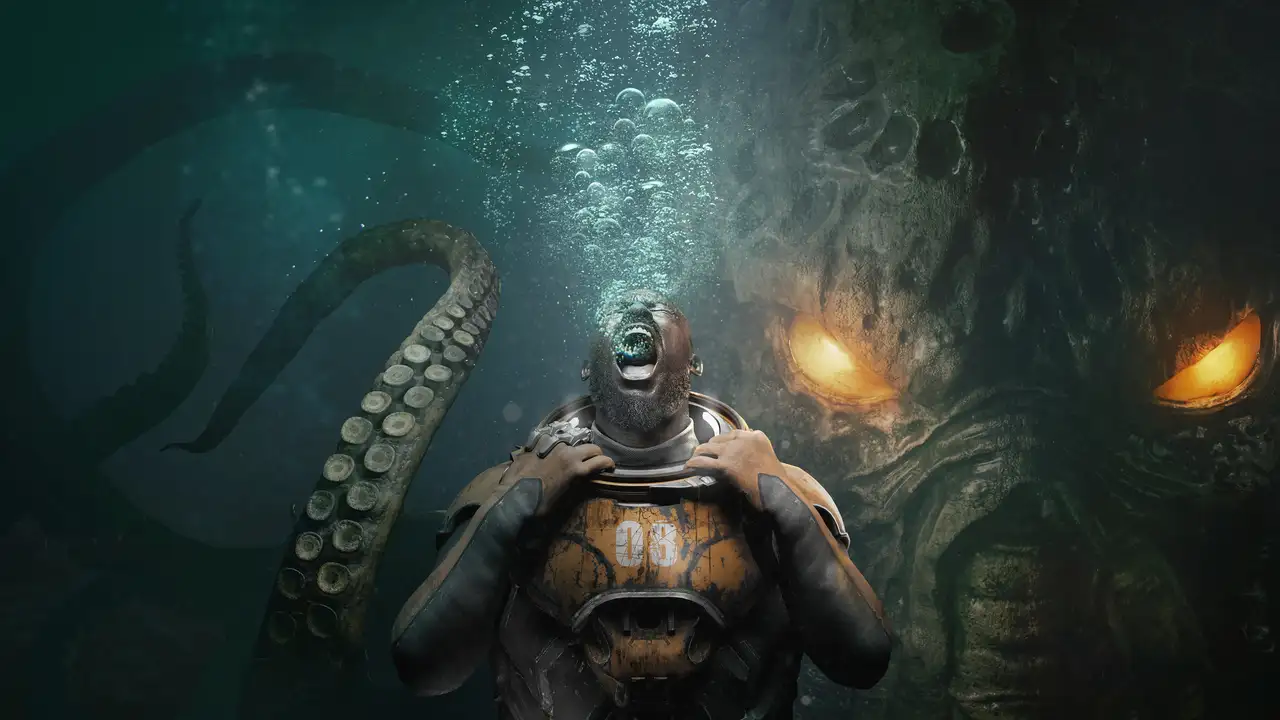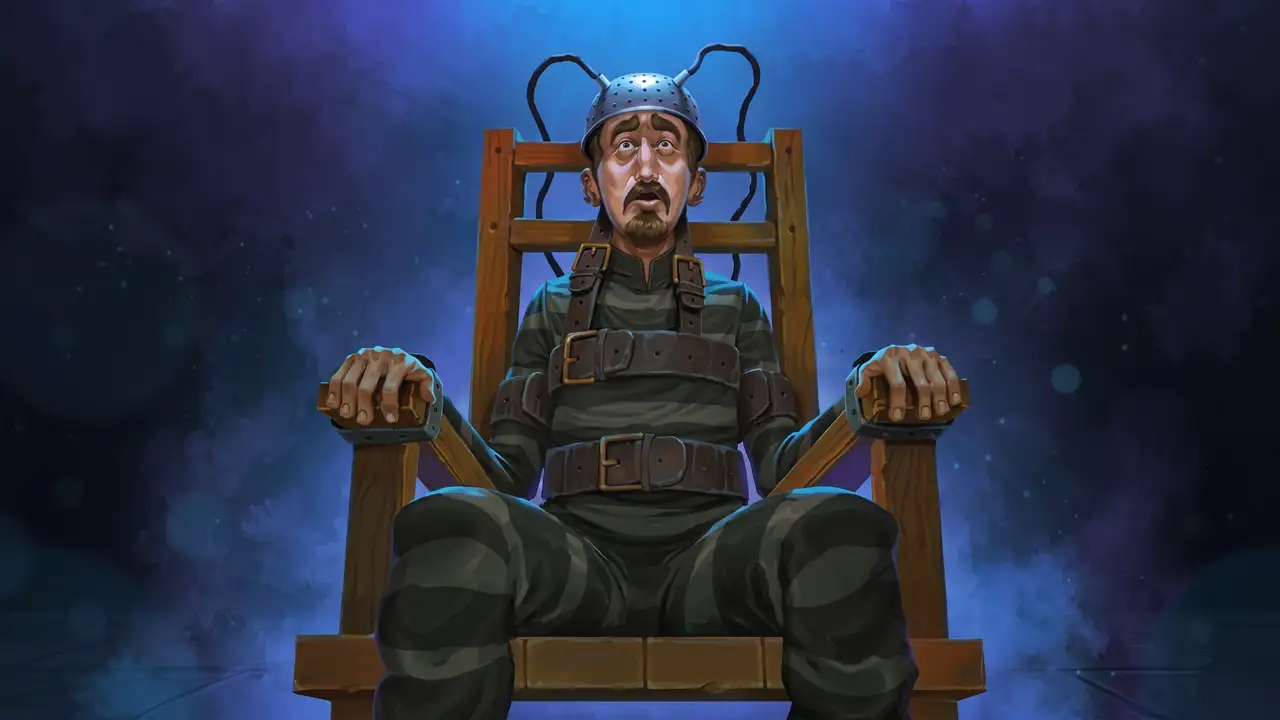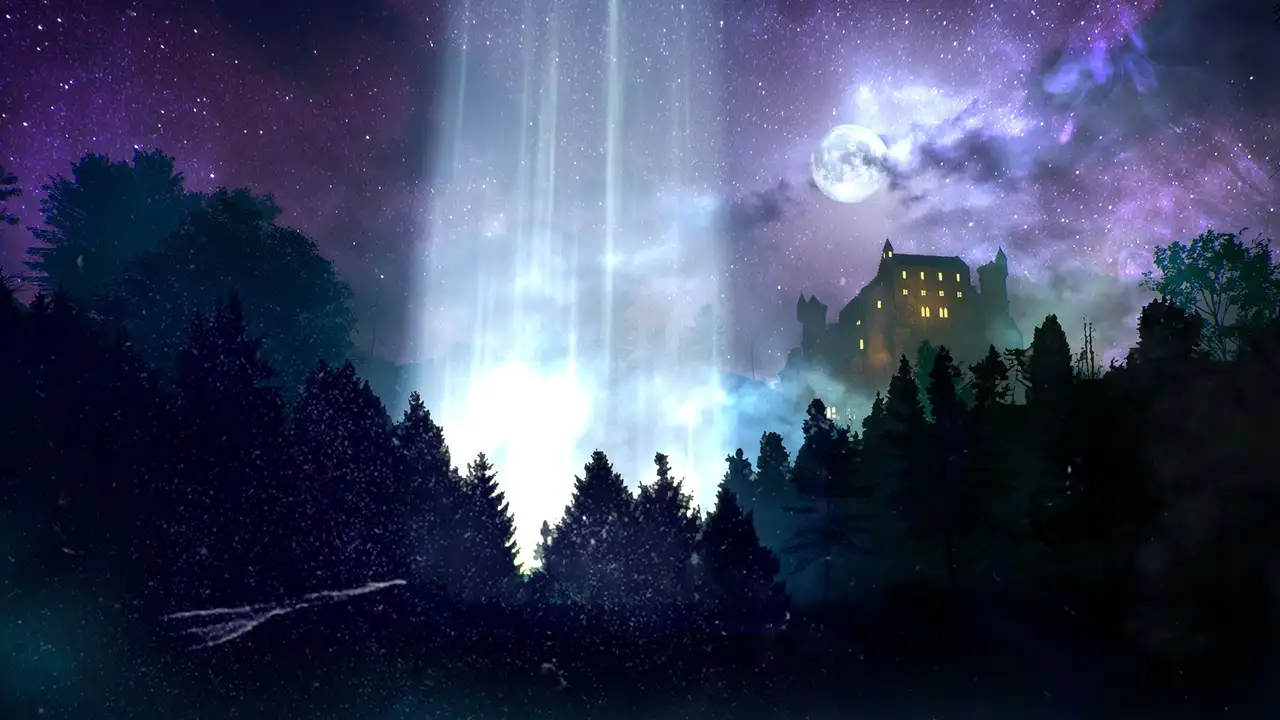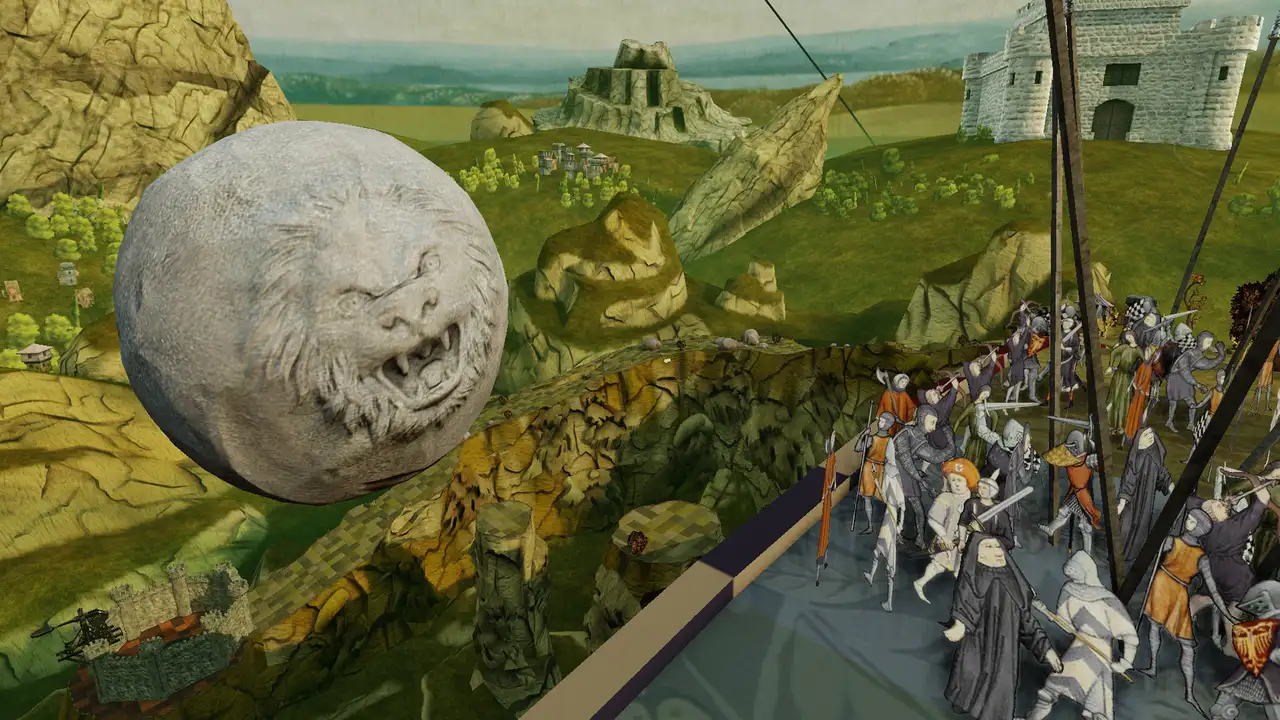
A masked-ball train ride through purgatory frames three tragedies from the 1920s, each told as a self-contained vignette with its own mechanics and its own method of self-destruction. The title riffs on Calvino, and the literary ambition shows in every line of dialogue. A supernatural collector hosts the journey, and the frame’s ethical ambiguity, a being smuggling doomed passengers aboard out of something like compassion, is a hook few games attempt. Constant dread accumulates across the anthology rather than shock. This is one of the darkest, most confident pieces of free interactive fiction available.
The first vignette follows a gay romance through a dialogue-choice-driven confrontation that escalates from blunt honesty into a rage aimed at all the wrong targets. Its turn lands hard despite being the thinnest of the three, and the escalation from civil conversation to catastrophe happens inside a single scene. The mechanic is simple branching dialogue, but the writing carries consequences that make every option feel weighted. What begins as a breakup scene becomes something far darker without ever leaving the room.
Valerie Winterborn’s chapter is the anthology’s most interesting, built on unreliable perception where laudanum blurs reality into hallucination. Covered-up pictures, misplaced certainty and layered truths make the chapter a puzzle of interpretation rather than inventory, and the horror comes from never being sure which version of events is real. The unreliable-narrator structure gives the tragedy its shape, with the truth assembled only as the hallucination cracks. It is the strongest writing in the collection and the best reason to play.
Dr. Samuels’ finale is the puzzle-heavy close, demanding real book-cross-referencing for its ritual preparation: bowl colours, herbs, wound-man body parts and a clock delayed by seven minutes all feed the incantation. A liminal library of memory-books deepens the chapter’s investigation, and a triage section where the right mercy is a bullet pushes the anthology’s darkness to its limit. Some ritual steps turn opaque, with the required colours derivable only after re-reading several sources. The chapter’s ambition mostly justifies the friction, and its ambiguous guardian ending ties the frame together.
Between vignettes, a train-hub exploration offers atmosphere but little substance, a surreal dream-space that communicates tone more than content. The hub is brief enough that its sparseness never stalls the pacing, though a first-time visitor could be forgiven for expecting more from it. A gramophone segment adds texture while leaving it unclear whether record order matters. Interstitial material is the anthology’s thinnest layer, present for mood rather than play. The vignettes are the meal; the hub is the table dressing.
The whole package runs roughly one and a half to two hours, and the quality-to-price ratio is the most remarkable thing about it: the game is completely free. Art direction, voice work and writing would not be out of place in a paid release, and several pounds would have been a fair ask. Free distribution makes the anthology the easiest recommendation in its niche, and the studio’s next project arrives with expectations now set high. Nothing about the brevity feels like a limitation of craft, only of scope.
Overall, the literary ambition, the Winterborn chapter’s unreliable-perception horror and the Samuels finale’s ritual puzzles make this free tragedy anthology remarkable, despite a sparse train hub, occasional puzzle opacity and minor interface ambiguity around the gramophone. Three 1920s vignettes of gay romance, addiction and war trauma land with a confidence most paid releases lack. The frame reveal reframes every chapter’s ending into something more chilling, and the whole thing costs nothing.