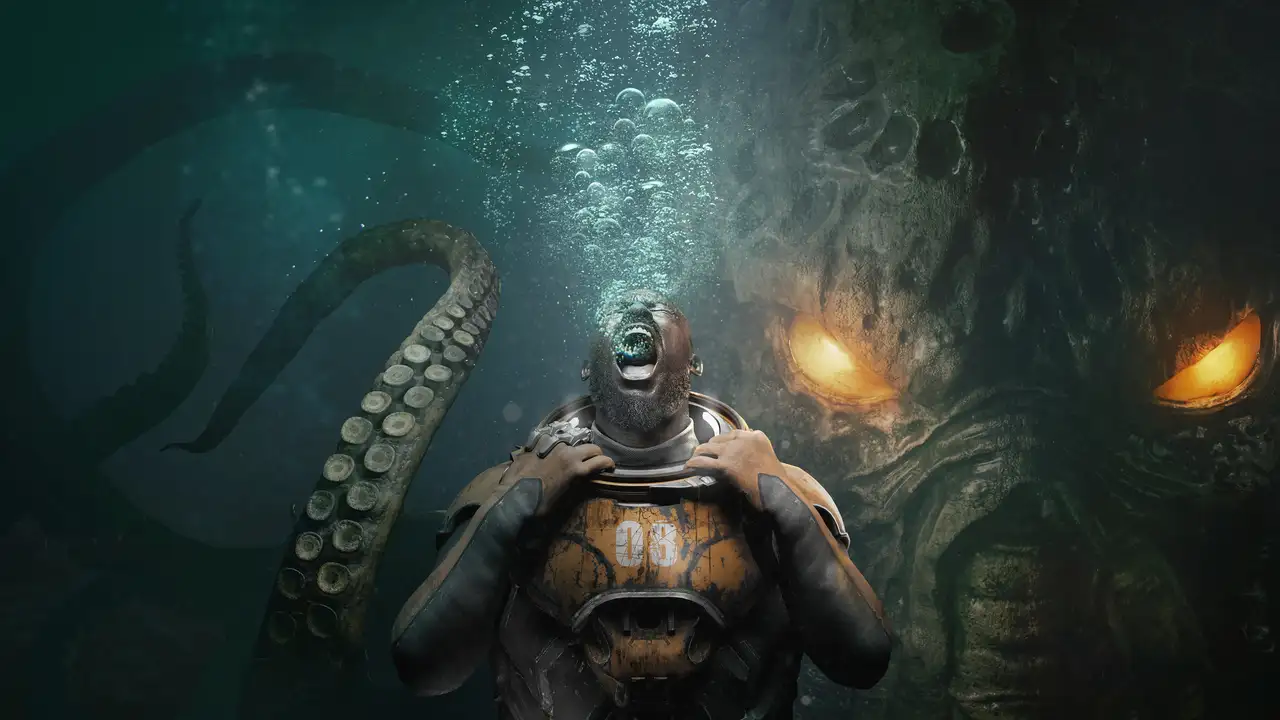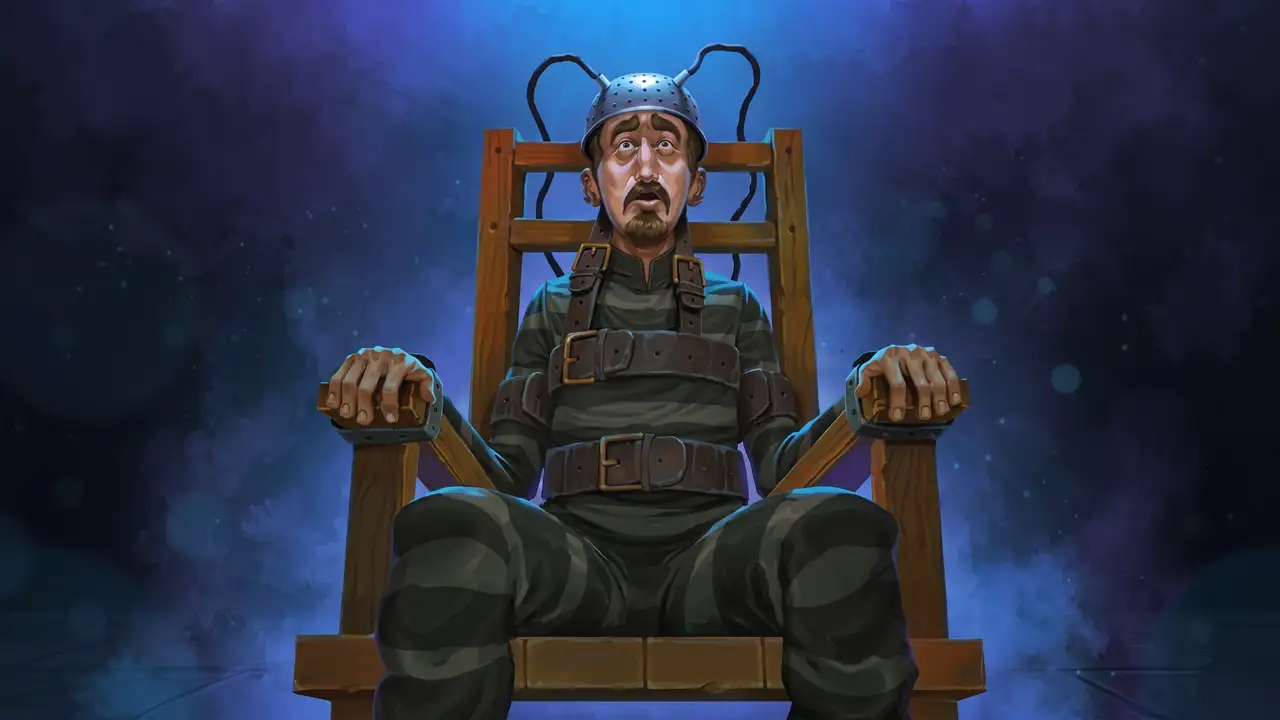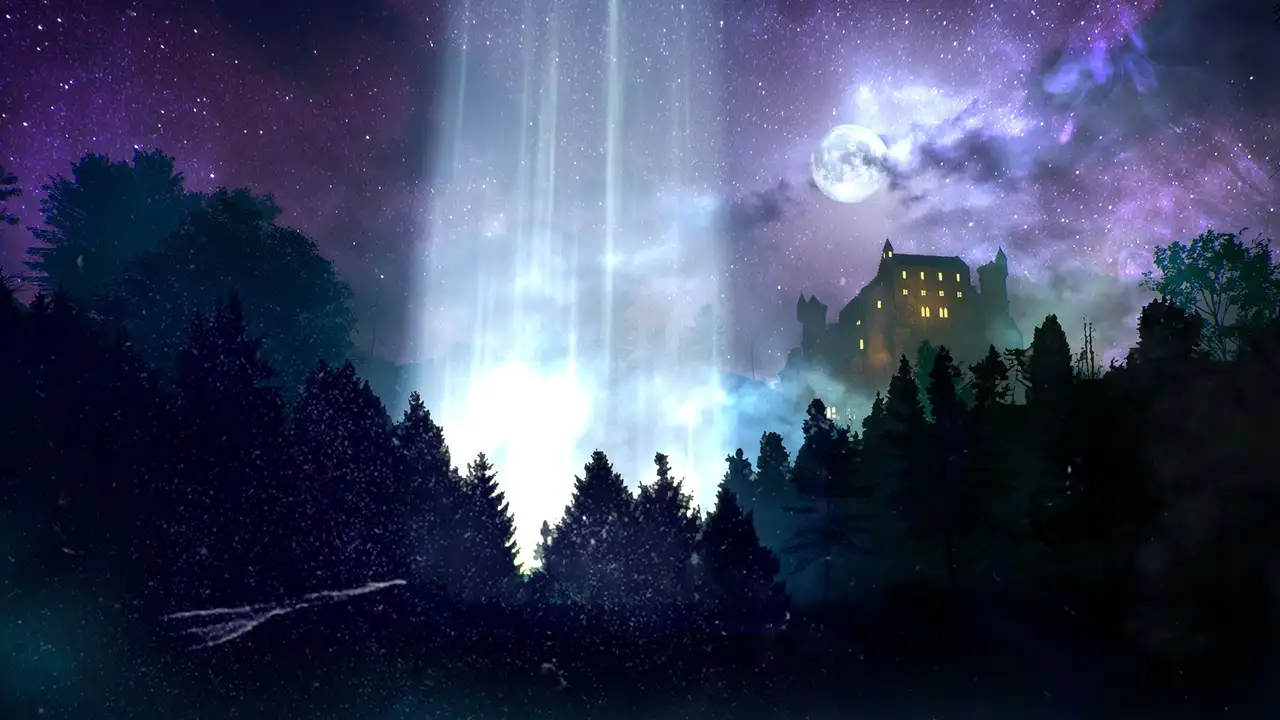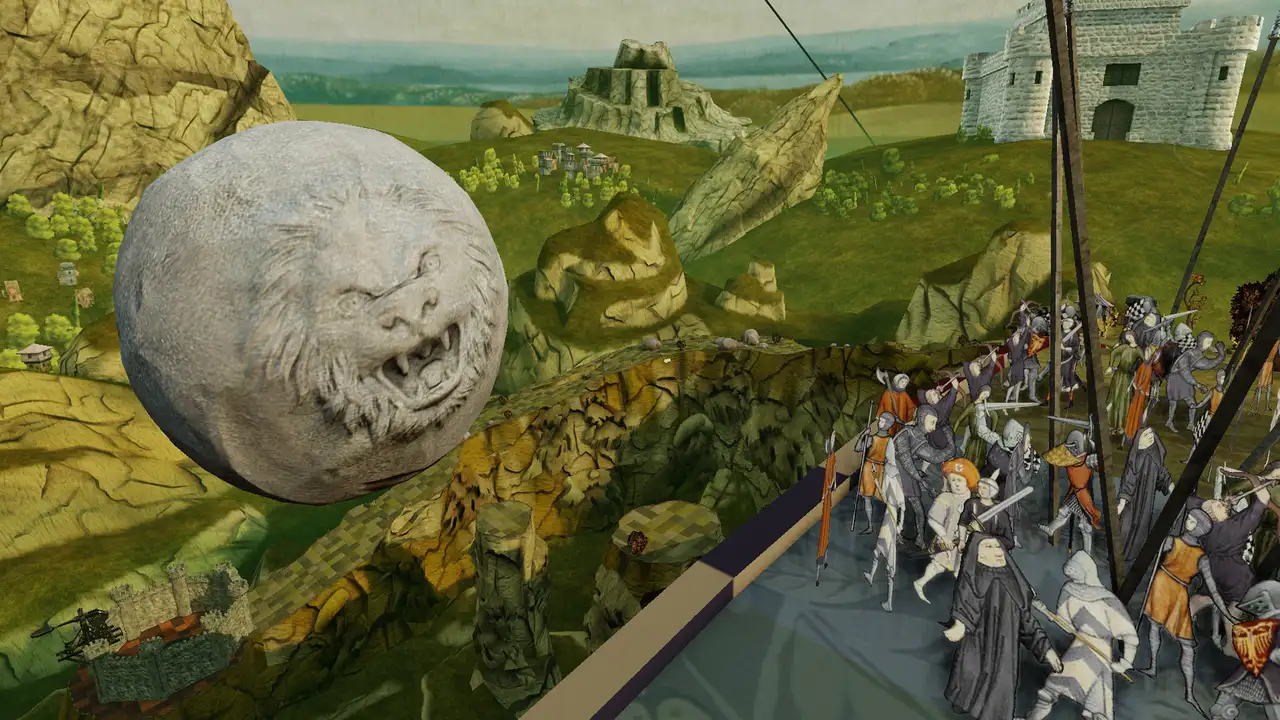
The series finally gets narrative connective tissue: three era-spanning story campaigns narrated between levels, following a detective hunting a stolen corgi through 1930s Los Angeles and Chinatown, a famous sleuth chasing a reanimator through gothic Victorian England (complete with a count, a haunted wedding and werewolves), and an astronaut’s first-contact mission across alien planets. Clue text is written as in-world quips from the characters, and a corgi callback reappears in the space era as a reward for attentive players. The sci-fi era doubles as an eco-fable, ending with polluting factories transformed into clean energy. As a story-led hidden-object game, this is the only entry of its kind in the series. The campaign structure is the sequel’s clearest selling point.
The living dioramas are visibly more animated than previous entries, with creatures and characters moving constantly enough that the scenes feel genuinely inhabited rather than painted. A lizard scurrying along a wall sells the step-up immediately. The extra motion turns each era into a place worth lingering in rather than a static picture to be scanned. The animation step-up is the presentation’s clearest gain.
Time-of-day and weather switching gate some targets behind the right conditions, layering on top of the established day/night mechanic from earlier games and earning its return with clever placements. The campaign frame means levels end with narrative payoff rather than a simple tally, which keeps momentum high even when the hunts come quickly, and the series’ runtime trend now inverts with each release, going longest to shortest in order of release. Eleven maps span the three eras, and era unlocks arrive by cumulative object count (sixty for the final era) rather than full completion, a friendlier structure than expected. The structure rewards a steady sweep more than a forensic one.
Roughly forty minutes per era adds up to a complete clear in just over two hours, the shortest of the three games despite one more level than its predecessor. Maps are more condensed and cramped together than before, and many targets are huge, obvious objects rather than the needle-in-haystack hunts of earlier games. Clue hints are even more straightforward than before, and challenge was never the genre’s whole appeal, but the ease here is felt within the first era. The hunting is pleasant rather than probing.
Some targets require clicking in oddly specific spots or carry unintuitive hitboxes, and odd disappearing-object glitches recur, with clicked items or even whole towers vanishing jarringly from the scenes. A TARDIS cameo rewards crossover watchers. Mouse control works but feels slightly sluggish compared to alternatives. None of the glitches obstruct completion, but they undercut the polish the livelier animation otherwise earns. The series’ small quirks carry forward intact.
The breezy two-hour runtime suits a relaxed diorama experience, and the charming, comedic tone never wavers across all three eras. Every target found delivers the small satisfaction the genre trades in, and the era-hopping settings keep the visual palette shifting constantly. Difficulty is the price of that accessibility. The joy survives the shortness completely.
Overall, the story-led campaign structure and livelier animation make this a charming, breezy instalment that trades challenge for story and spectacle, the series’ easiest entry by a distance. Condensed maps, oversized targets, finicky click spots and recurring disappearing glitches are the cost, and two hours passes quickly. Still a joy, and the narrative frame finally gives the diorama-hopping a reason to hop.