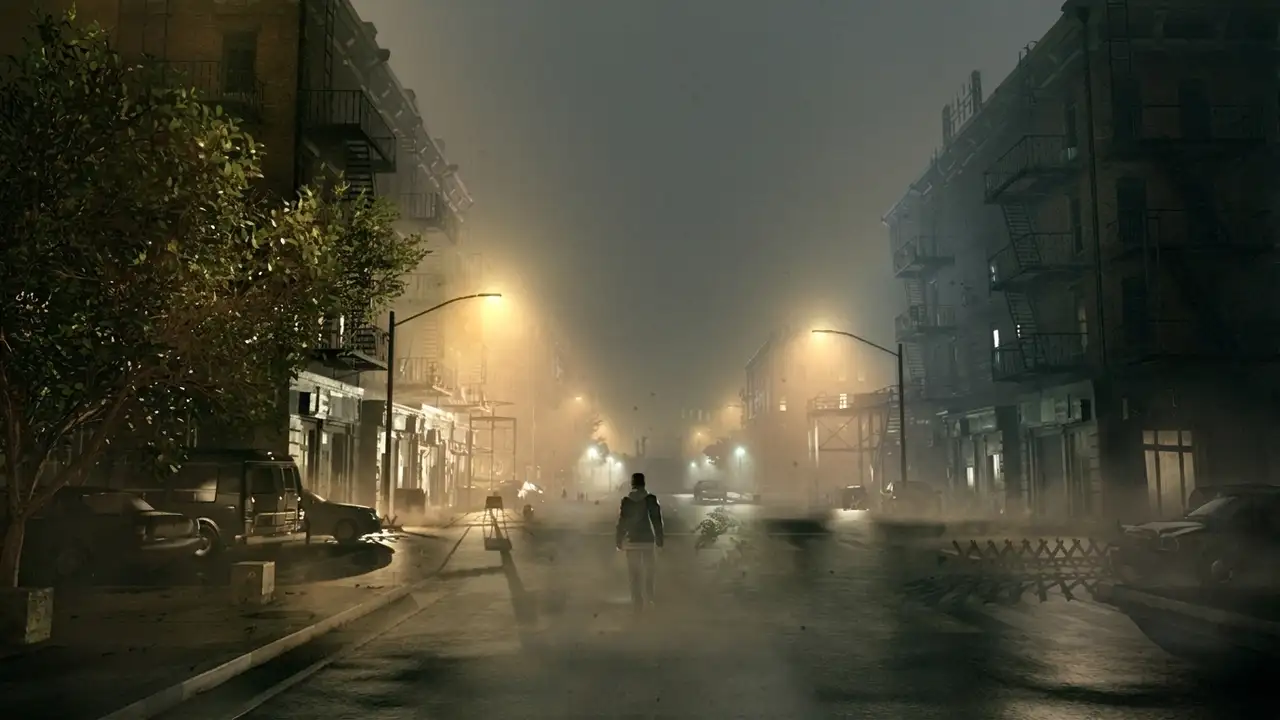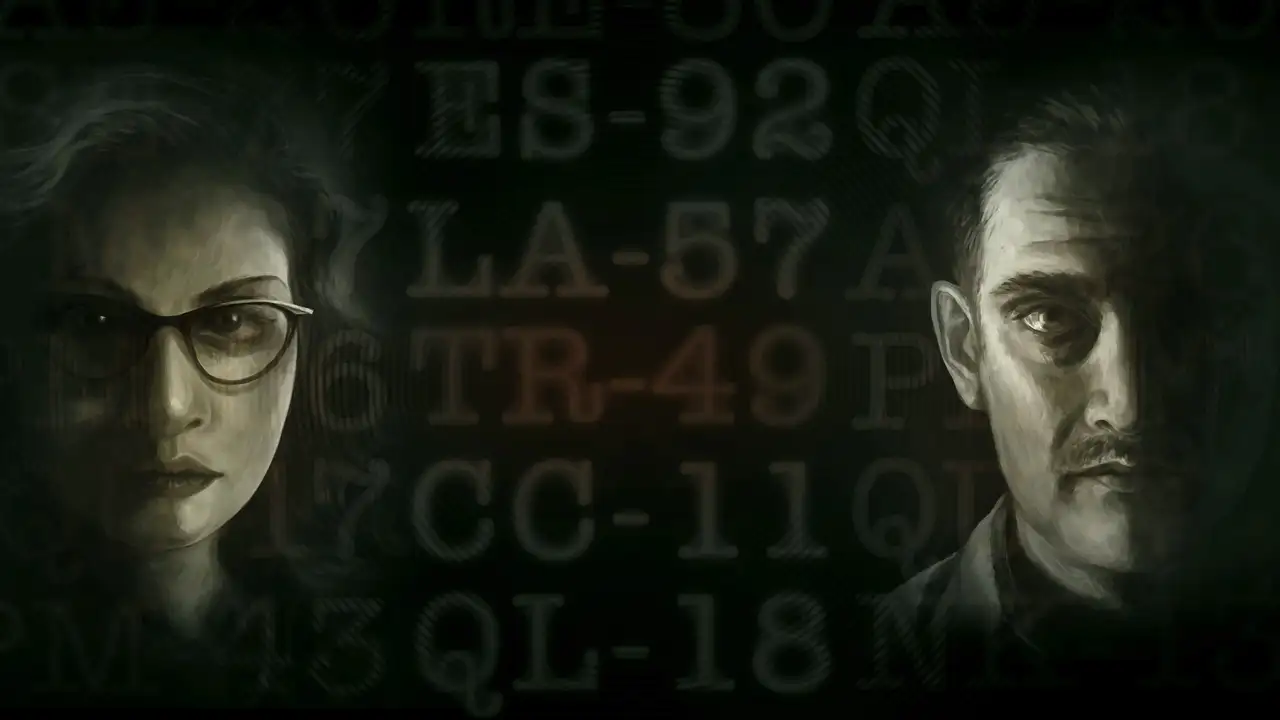
A research mansion suffers an outbreak, diaries scattered through the corridors tell the story, and everything about the shape of the campaign is unmistakably familiar. Heaven Dust wears its Resident Evil inspiration proudly on its sleeve: tank controls, an item-box save-room economy, herb combining, four ritual masks and a Tyrant-style finale that even borrows the Nemesis title-screen flourish. The nostalgia is deliberate and earnest, occasionally unintentionally funny through its prose, and the compact three-and-a-half-hour run positions itself exactly as a palette cleanser. This first entry is content to be someone’s own take on the 1996-98 formula, and the contentment suits it.
The puzzle variety keeps the short campaign constantly engaged. Clock codes, mask iconography, valve-steam regulation, chair-count passwords and a smell-masking solvent each arrive with their own logic, and the mask ritual anchors the mansion’s structure in proper genre fashion. Diary-driven lore from named victims uncovers a pharmaceutical conspiracy with a tribal-virus origin, told efficiently through scattered files rather than cutscenes. Nothing overstays, and the puzzle density is high for the runtime.
The classic survival loop is rebuilt faithfully rather than reinterpreted. Tank controls and fixed-style framing return, the six-to-eight-slot inventory forces the familiar tetris, and item boxes in save rooms spare the ink-ribbon anxiety of the era while keeping the economy honest. Gunpowder crafting and herb combining reward exploration, and token-shop upgrades (magazines boosting health, run speed and critical chance) add a light progression layer the originals never had. The auto-save spares full restarts after the brutal one-touch floor spikes and jumpscare traps, a modern kindness the design wears well.
The finale is a Tyrant chase with a five-minute escape timer, and the reveal earns genuine delight from anyone who recognises the silhouette. Unfortunately the fight’s mechanism, a fuel-push-pit sequence, is under-signposted and easy to fumble, and the confusion sours the climax’s first attempt. The chase itself delivers the era’s escalating-panic energy, and the self-destruct framing gives the escape route purpose. The ending’s reveals recontextualise the protagonist cleanly for anyone paying attention to the diaries.
Zombie drops are occasionally too generous for the survival-horror frame. Finding a clip worth thirty bullets undercuts the scarcity the genre depends on, and the economy wobbles between tense and comfortable in a way the originals never allowed. The floor spikes compensate with instant-death punishment, and the balance overall tilts forgiving without collapsing. Combat stays serviceable, with the token upgrades keeping weapons relevant into the finale.
English localisation is the campaign’s clearest weakness. The script is readable but frequently garbled, clearly written by developers working outside their first language, and the prose wobbles enough to occasionally distract. The translation quirks become part of the period charm for some and genuine friction for others, and the diaries suffer most from the wobble. Nothing blocks comprehension, but polish is visibly absent.
The identity here is faithfulness. Very few indie titles rebuild the late-nineties loop this precisely rather than reinterpreting it, and the commitment to period accuracy (tank controls included, warts and all) reads as a statement of intent. The sequel reportedly develops more of an original identity, which makes this entry’s purity of homage feel like a deliberate first act. As a short, complete, affectionate recreation, the package delivers exactly what it promises.
Overall, this is a faithful, joyful homage that wears its Resident Evil heart proudly on its sleeve, nailing the scarce-ammo, item-box, herb-combining loop in a tight three-and-a-half hours. The garbled English script and the under-explained finale mechanism are real dents, but neither damages the nostalgic appeal, and the compact runtime makes the wobbles easy to forgive.